The best EDC flashlight for cave explorers with tight crawl passages is a compact, impact-resistant light under 4 inches long with a low-profile body, recessed switch, secure pocket or helmet clip, and at least IPX8 waterproofing. In tight crawls, every millimeter matters: a bulky tailcap snags on rock, a proud side switch activates against your chest, and a long tube wedges in keyhole squeezes. You want something pocketable as a backup to your primary headlamp, with 1,000+ lumen burst capability for spotting drops and a reliable moonlight mode for preserving night vision while route-finding through belly crawls.
Below we break down what actually matters when choosing a flashlight you'll drag through mud, slam against breakdown, and occasionally lose in a sump. We'll cover form factor, switch placement, battery strategy, and the lumen-vs-runtime tradeoffs that separate a cave-worthy EDC from a tactical light that fails when you need it most.
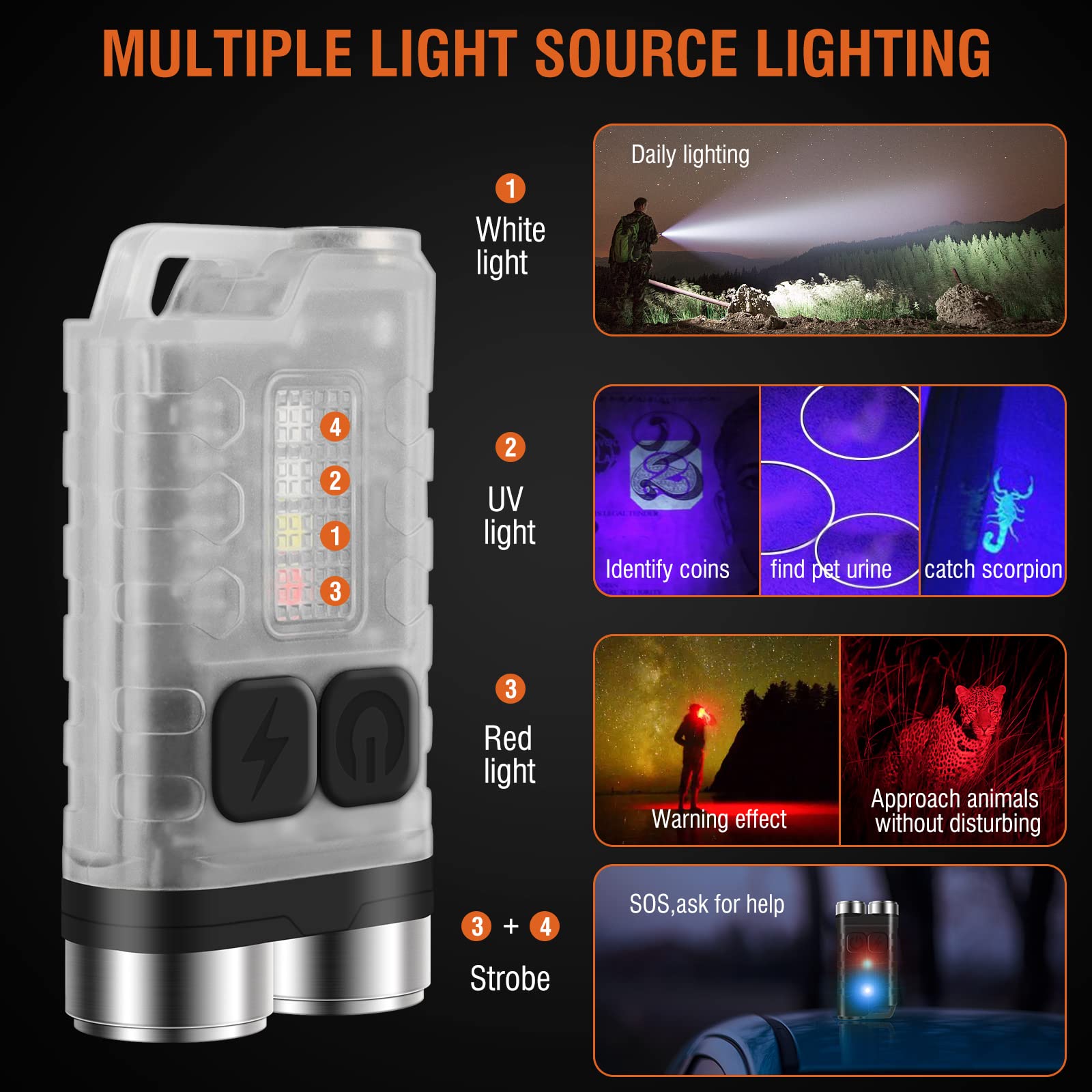
Why most EDC flashlights fail in tight cave passages
Standard tactical EDC lights are designed for pocket carry and occasional outdoor use, not for being scraped sideways through 8-inch-tall crawlways while you're prone in cold water. The failure points are predictable: protruding tailcap switches get pressed accidentally and burn through your battery, anti-roll bezels catch on rock edges, and aggressive knurling shreds nylon coveralls. A side-switch light pointed at your chest in a tight squeeze can momentarily blind you when it activates against your harness.
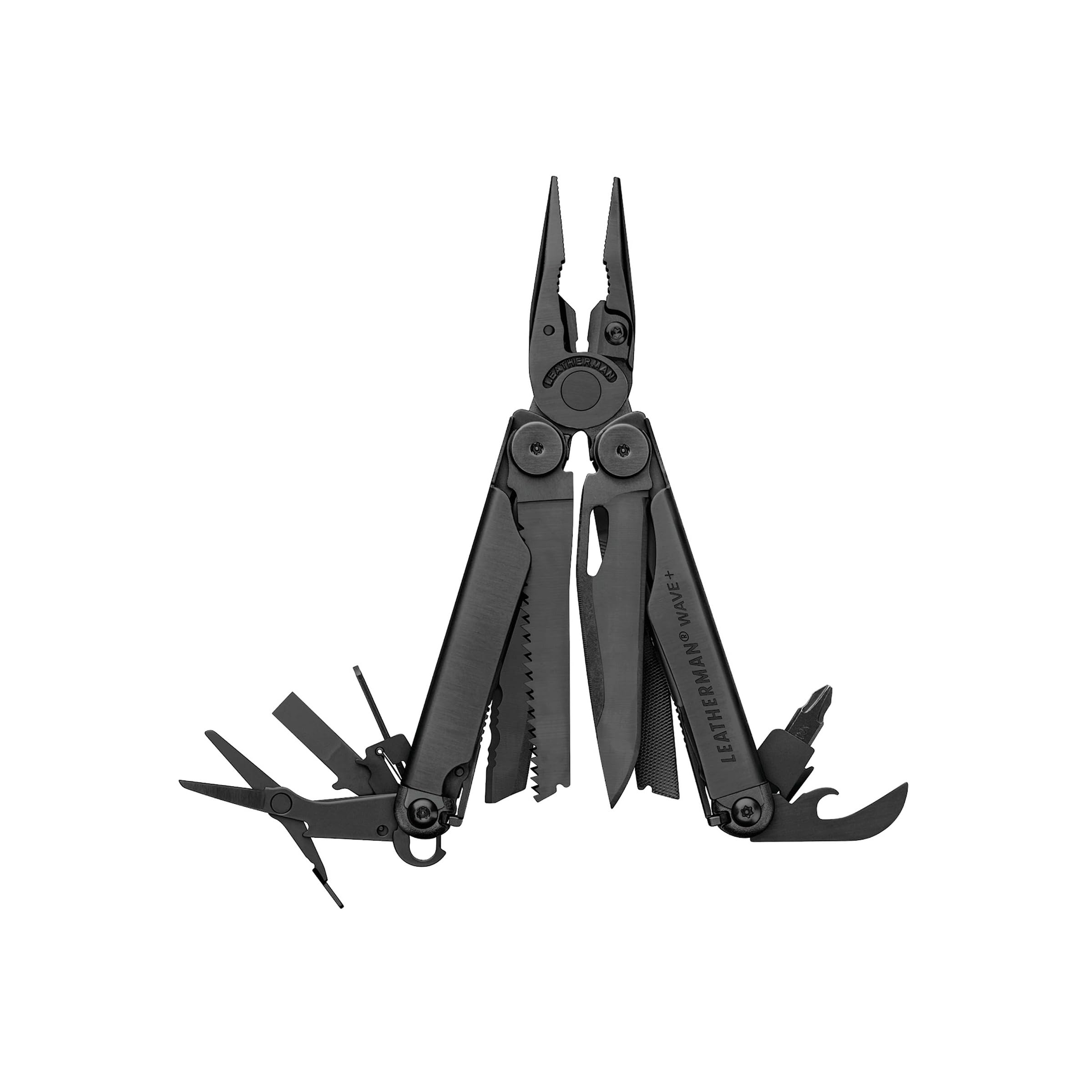
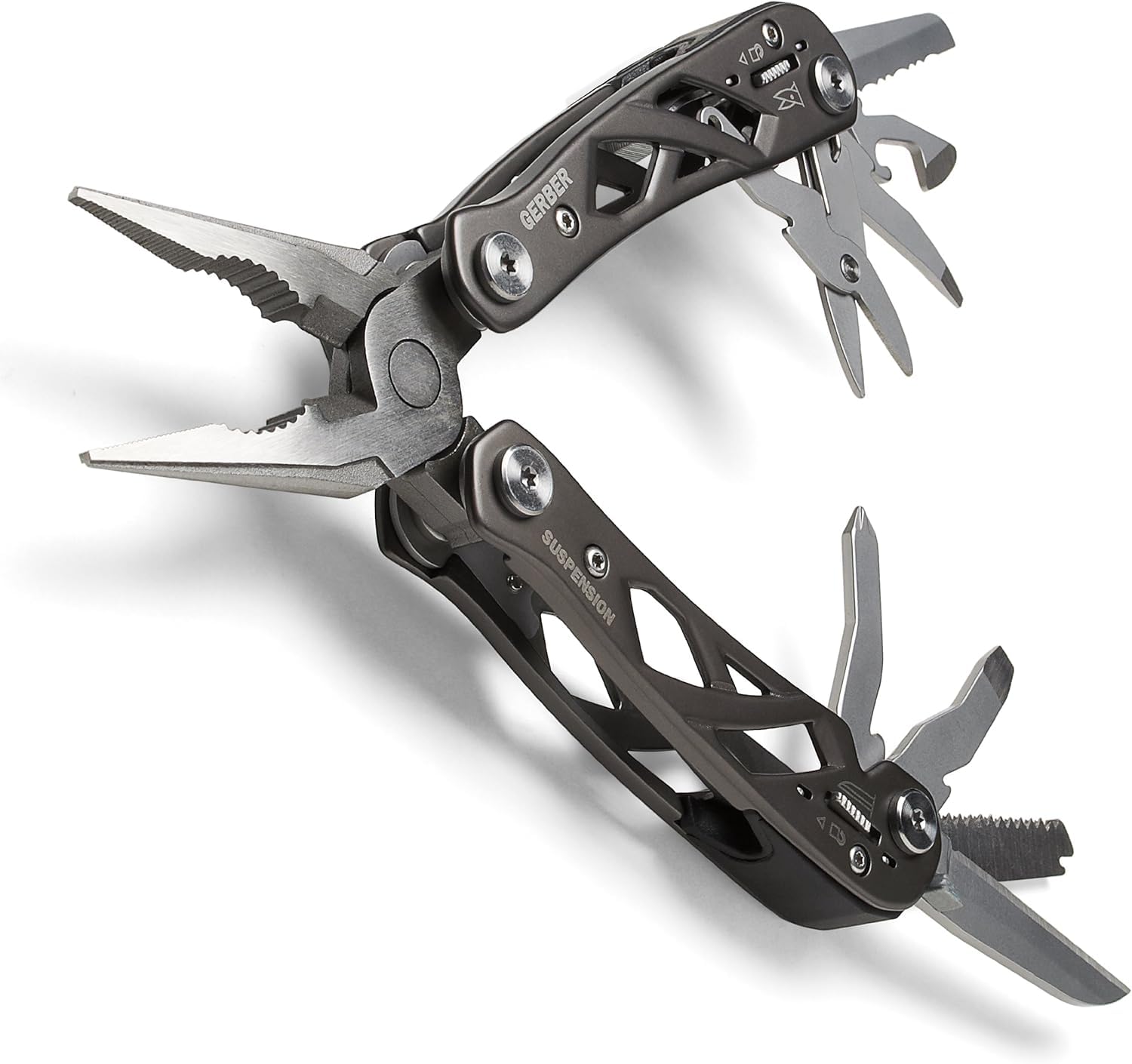
The best EDC flashlight for cave explorers with tight crawl passages solves these problems with a smooth or lightly textured body, a recessed or shrouded switch, and a clip that lets you orient the light on a helmet strap, chest harness, or coverall pocket without the light rolling free. It also needs to survive being dunked, dropped onto limestone, and operated with cold, wet, gloved fingers.
Critical features for cave-ready EDC lights
Compact length under 4 inches
In a tight crawl, length is your enemy. A 5-inch tactical light worn on a belt clip becomes a lever that catches on every protrusion. Look for sub-4-inch bodies in the 1xCR123 or 1x18650 class. These fit in coverall chest pockets, clip to helmet bands, and tuck behind your SRT harness without printing.
Recessed or shrouded tail switch
If you're pushing through a squeeze with the light clipped bezel-down in a chest pocket, a proud tail switch will activate against your sternum. Look for switches that sit flush with or below the tailcap rim, or for side-switch designs with a stiff actuation force (over 500g) that won't trigger from incidental pressure.
IPX8 waterproofing with at least 2-meter rating
Caves are wet. Even "dry" caves have condensation, mud puddles, and the occasional unexpected sump. IPX7 (30 minutes at 1 meter) is the minimum; IPX8 rated to 2 meters or deeper is what you actually want when you drop your backup light into a duck-under.
Reliable moonlight mode
Your eyes adapt fast underground. A 1-lumen moonlight mode preserves your dark adaptation for route-finding and lets you read a survey book without nuking your pupils. It also extends runtime to days on a single charge, critical when you're 8 hours from the entrance.
Secure clip and lanyard attachment
You will drop this light. The clip needs to hold under repeated squeezes against rock, and there should be a lanyard hole so you can dummy-cord it to your harness. Friction-fit clips that pop off in chest crawls are useless.
Battery strategy for multi-day cave trips
For day trips, a rechargeable 18650 or built-in USB-C light works fine. For extended trips, vertical caving, or expedition work, prioritize lights that accept primary CR123A lithium cells as a backup. Primaries survive a decade in storage, work in cold temperatures down to -40F, and don't degrade if you forget to top them off before a trip.
A common cave setup is a primary LED headlamp plus a sub-4-inch EDC light as a backup, plus a third tiny keychain light as a third-source redundancy. Cavers follow the "three sources of light" rule religiously, and your EDC should be source two or three. For maintenance routines that keep these lights reliable, see our EDC flashlight maintenance guide.
Lumen output vs. throw in confined spaces
Resist the urge to buy the brightest light you can find. In a 30-inch-wide crawl, 2,000 lumens reflects off pale limestone and washes out your contrast. You want a light that does 50-200 lumens efficiently for ambient travel and can burst to 1,000+ lumens when you reach a room and need to identify the route across.
Throw matters less in caves than in open outdoor environments because most passage decisions happen within 30 feet. A flood-biased beam with smooth spill is more useful than a tight thrower. Lights with TIR optics or shallow reflectors give you the diffuse near-field illumination you actually need.
Comparing form factors: 1xCR123 vs 1x18650 vs AAA
| Form Factor | Typical Length | Max Lumens | Runtime (Med) | Cold Weather | Cave Suitability |
|---|---|---|---|---|---|
| 1xAAA | 3.0-3.5 in | 100-300 | 1-2 hrs | Poor (alkaline) | Backup only |
| 1xCR123A | 3.0-3.5 in | 500-1000 | 2-4 hrs | Excellent | Excellent |
| 1x16340 (RCR123) | 3.0-3.5 in | 800-1500 | 1-3 hrs | Good | Excellent |
| 1x18650 | 4.0-4.5 in | 1000-2000 | 3-6 hrs | Good | Good (longer) |
| 2xAA | 4.5-5.0 in | 300-600 | 3-5 hrs | Fair | Marginal (long) |
For the tightest crawls, the sweet spot is the 1xCR123 or 1x16340 platform. These give you under-3.5-inch lengths with serious output and excellent cold-weather performance. The 18650 class is great for longer cave trips where runtime matters more than absolute compactness.
Mounting options for hands-free cave work
Even with a primary headlamp, you'll want to mount your backup light occasionally. Look for lights with magnetic tailcaps that can stick to a carabiner or harness D-ring, or pocket clips that double as helmet-band clips. Some cavers wrap a strip of self-adhesive ferrous tape inside their helmet shell to give magnetic lights a mounting point.
Avoid lights that depend exclusively on a side button when you might need to operate them with bulky gloves. A tail switch you can press through neoprene is far more reliable than a tiny side button that requires fine motor control.
Durability standards that actually matter
Manufacturer drop ratings are tested on smooth surfaces; cave drops happen onto edged limestone breakdown. Look for lights with aerospace-grade aluminum bodies (6061-T6 or better), Type III hard-anodized finish, and tempered or coated glass lenses. Avoid plastic-bodied lights for serious caving; they crack under the same impacts that aluminum shrugs off.
The bezel is often the first thing to take an impact. A stainless steel bezel ring or a recessed lens protects against cracking when you scrape the light along the ceiling of a low crawl. Tritium vial slots are a nice-to-have for finding a dropped light in pitch black, but they're not essential.
What about headlamps? Why carry an EDC light at all?
Your headlamp is primary, but it has limitations: you can't easily aim it independently of your gaze, you can't hand it to a partner to inspect a feature without removing your helmet, and if it fails you need a backup. A handheld EDC light fills these gaps. It's also far easier to signal with a handheld light, to inspect cracks above you without craning your neck, and to use as a directional pointer when describing routes to your team.
For broader context on choosing the right handheld for your daily kit, see our guide to choosing the best EDC flashlight and our roundup of 2026's best everyday carry flashlights.
Packing your EDC for cave trips
Your cave EDC should live in a dedicated, sealed location: a chest pocket on your coveralls, a small dry bag clipped inside your cave pack, or a dedicated helmet pouch. Don't mix it with general-purpose EDC items that might damage the lens or activate the switch. Pack spare batteries in a separate waterproof container, ideally with desiccant packs.
For broader EDC packing strategy that translates to cave work, our EDC kit packing guide covers redundancy principles that apply directly to underground environments.
Frequently Asked Questions
What lumen output do I actually need for caving in tight passages?
For crawl work, 50-200 lumens is plenty for travel illumination. You want burst capability up to 1,000-1,500 lumens for navigating larger rooms or spotting features at distance, but you'll rarely run on high for more than 30 seconds at a time. Prioritize a usable moonlight mode (1-5 lumens) for preserving dark adaptation and extending runtime over raw maximum output.
Are rechargeable flashlights safe for multi-day cave expeditions?
Built-in rechargeable lights are convenient but risky for expedition work because you can't easily swap cells and you depend on a working charger. For trips over 8 hours or for vertical caving, choose a light that accepts both rechargeable Li-ion cells and primary CR123A lithium cells as a backup. Primaries store for a decade and work in extreme cold.
How waterproof should an EDC cave flashlight be?
IPX8 rated to at least 2 meters submersion is the practical minimum. Cave streams, ducks, and unexpected sumps are routine. IPX7 (30 minutes at 1 meter) is acceptable for backup roles but not for primary handheld use. Verify the O-ring seals are accessible for cleaning; mud and grit destroy seals faster than water exposure does.
Can I use a tactical flashlight designed for police or military work in caves?
Sometimes, but most tactical lights have aggressive strike bezels, proud switches, and tight throw-biased beams that aren't ideal underground. Strike bezels shred coveralls in tight crawls, and throw-focused optics wash out close-range detail. If you do repurpose a tactical light, look for ones with smooth bezels and removable anti-roll features.
What's the best way to mount a backup flashlight on a caving helmet?
Most cavers either clip a small light directly to the helmet's chinstrap mount, use a quick-release lanyard attached to a helmet D-ring, or stash the light in a chest pocket and grab it as needed. Avoid permanently mounting a backup where it can be knocked off in a tight passage. A magnetic tailcap plus a small ferrous patch inside the helmet shell works well for quick deployment.
How do I maintain a flashlight that gets dragged through mud and water?
Rinse the light in clean water immediately after each trip, paying special attention to switches and threading. Disassemble the tailcap, clean the O-rings with a soft cloth, and apply a thin film of silicone grease before reassembly. Inspect the lens for scratches; replace if cracked. Check the threads for grit, which causes premature seal wear. Battery contacts should be wiped clean and inspected for corrosion every few trips.
How many backup light sources do experienced cavers actually carry?
The standard rule is three independent light sources, each with its own batteries, capable of getting you safely out of the cave. Typically that's a primary LED headlamp, a handheld backup EDC light, and a small keychain or zipper-pull light as third source. Some cavers carry chemical light sticks as a fourth source for emergencies because they require no batteries and can't fail mechanically.
Key Takeaways
- Choosing the right best edc flashlight for cave explorers with tight crawl passages means matching capacity and output ports to your actual devices
- Always check actual watt-hours (Wh), not just watts — runtime depends on Wh, not peak output
- Also covers: caving edc flashlight crawl passages
- Also covers: spelunker pocket flashlight tight spaces
- Also covers: best handheld flashlight cave exploring
- Compare price-per-Wh across models to find the best value for your budget