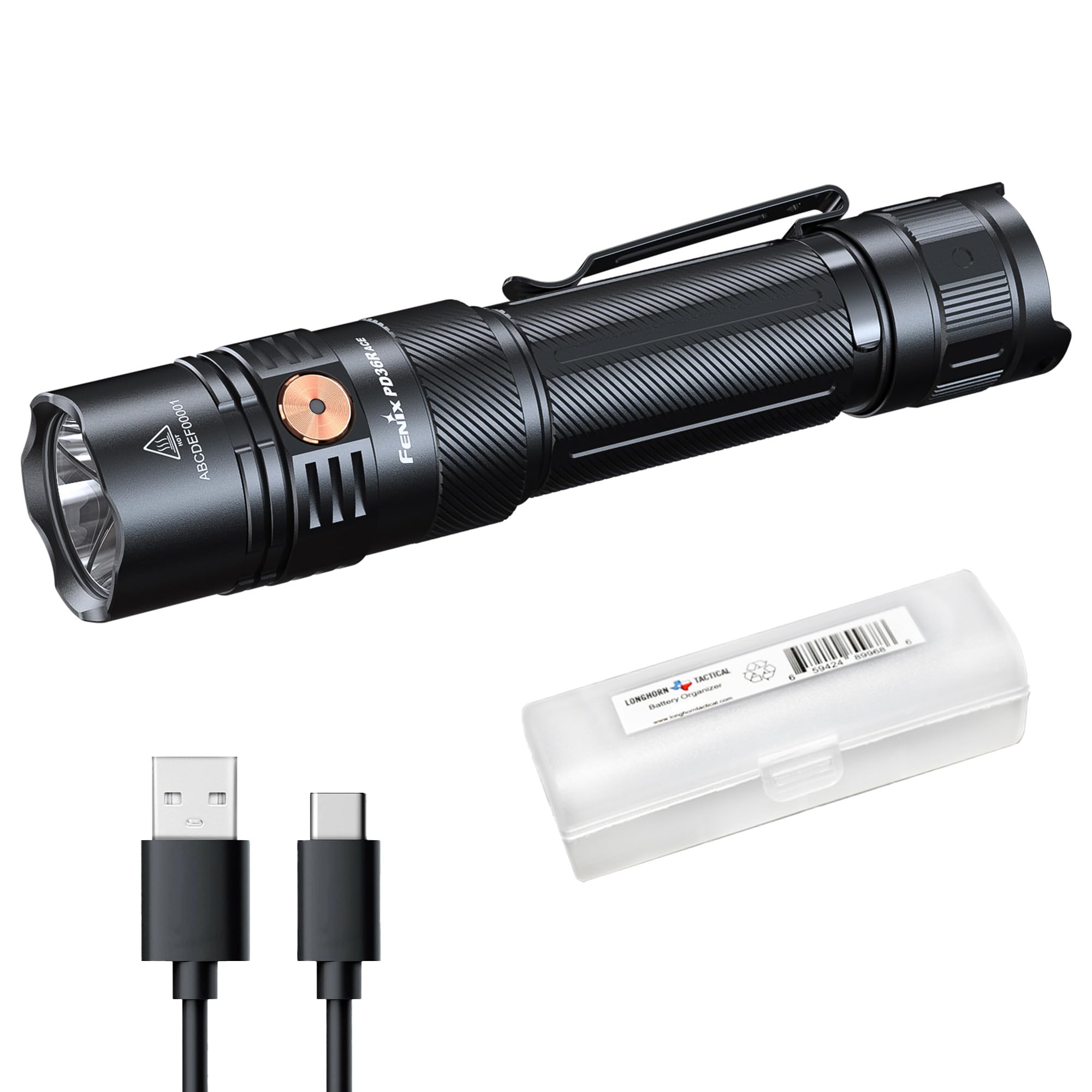
If you manage a vineyard and spend the coldest hours of spring walking rows to verify that wind machines, propane heaters and inversion fans are actually spinning, you need a light that throws far, runs long on a single charge, and survives sub-freezing dew. The best EDC flashlight for vineyard managers checking frost fans pre-dawn is a 1,000-1,800 lumen rechargeable LED with at least 200 meters of beam throw, an IP68 rating, a deep-carry pocket clip, and a tail switch you can operate with frozen gloves. Sub-zero performance, instant strobe access for spotting damaged blades from 100 yards, and a battery that won't sag below 50% before sunrise are non-negotiable.
Below is what to look for, which specs actually matter on a 40-acre block at 3 a.m., and the trade-offs between throwers, floods and hybrids when you're trying to read a tachometer, scan a vine canopy and signal a crew vehicle from the same handheld unit.
Why frost-fan inspections demand a specialized flashlight
Radiation frost events happen on clear, calm nights between budbreak and early bloom — typically March through May in the Northern Hemisphere. When temperatures slip below 32°F (0°C), vineyard managers fire up wind machines that pull warmer inversion-layer air down onto the canopy. A stalled fan during a four-hour frost event can cost a grower tens of thousands of dollars in lost fruit per affected block. That's why the best EDC flashlight for vineyard managers needs to do three things at once: confirm the fan is rotating at the correct RPM, illuminate the gearbox for oil-leak or belt inspection, and let you walk the rows without tripping over irrigation drip lines or anchor stakes.
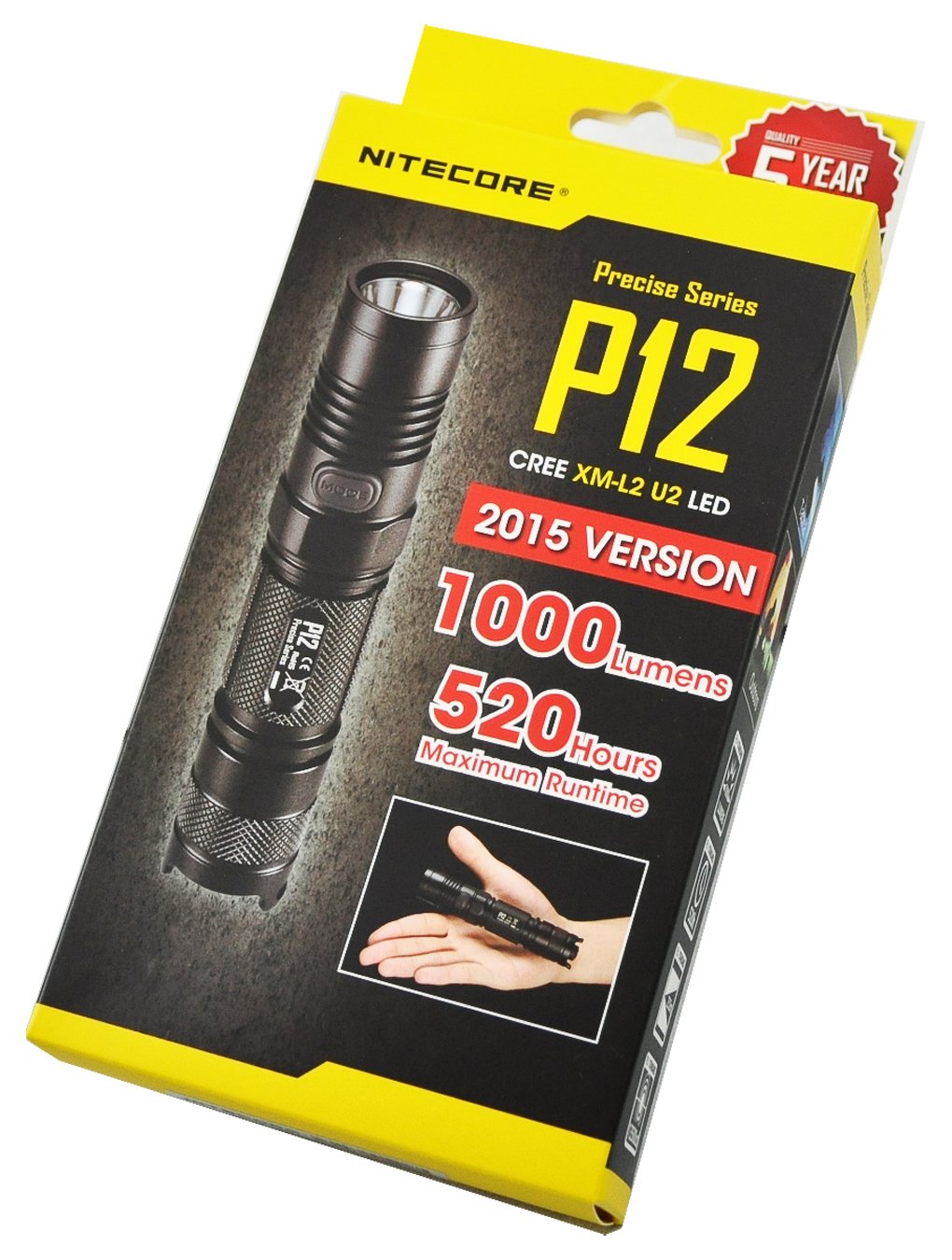
A general-purpose 400-lumen pocket light won't cut it. You need throw to see a fan blade 30-50 feet up in the air, flood to read the propane regulator at arm's length, and a beam profile that doesn't completely blind you when it bounces off wet leaves or frosted cover crop.
Core specs to evaluate
Lumens vs. candela: throw matters more than brightness
Many EDC buyers fixate on lumens, but for tower-mounted frost fans the more important number is candela (or peak beam intensity, sometimes listed in meters of throw). A 1,000-lumen light with a tight hot-spot and 25,000 candela will let you confirm blade rotation from the truck cab. A 2,000-lumen flood-only headlamp at 6,000 candela will wash out at 40 feet. Look for a minimum of 15,000 candela and 200 meters of rated throw.
Runtime at usable output
Manufacturer turbo runtimes are almost always misleading — most lights step down within 90 seconds. What you actually want is the High or Medium runtime spec, which should sustain 400-600 lumens for at least 2.5 hours. A frost watch can run from 1 a.m. to sunrise. Carry a spare 21700 or 18650 cell, or pick a light with USB-C in-light charging so you can top off in the UTV between block checks.
Cold-weather battery chemistry
Lithium-ion cells lose capacity below freezing. A cell rated for 5,000 mAh at room temperature can deliver only 3,500-4,000 mAh at 25°F. Choose lights that accept high-discharge 21700 cells (they handle the cold better than smaller 18650s) and store your spares in an inside coat pocket, not the truck console. Avoid alkaline-only lights — the chemistry simply collapses in the cold.
Waterproofing and dust ingress
Frost mornings mean condensation, ice, and inevitably a dropped flashlight into mud or standing irrigation water. IPX8 is the minimum; IP68 is better because it adds dust protection for harvest season when you'll be in the same coat pocket as pruning debris. Routine cleaning of the o-rings and threads matters more than the IP rating sticker — a worn seal will leak at IP54 conditions.
User interface in gloves
If you need three rapid clicks to find your medium mode while wearing insulated work gloves, the light is wrong for the job. Tail-switch tactical lights with momentary-on functionality are ideal because you can press once for a quick blade-check and release. A side-switch with a clear mode indicator (Olight-style) works too, but only if the button is large enough to find by feel.
Beam profile: thrower, flooder, or hybrid?
For frost-fan work specifically, a hybrid beam wins. Pure throwers (deep, smooth reflectors) put a tight hot-spot at 300 meters but leave you stumbling at your feet. Pure flooders (TIR optics) are great for canopy inspection but useless for confirming a fan at the end of the row. Look for lights that combine a moderately deep reflector with mild orange peel texturing — they'll throw 200-250 meters and still light up the ground six feet in front of you.
If your operation runs both frost protection and irrigation/spray monitoring, consider carrying two lights: a tail-switch tactical for fan checks and a smaller side-switch EDC for paperwork, vehicle inspection and equipment shed walk-throughs. See our breakdown of how to choose the best EDC flashlight for use-case-driven selection criteria.
Form factor and carry method
A flashlight you leave in the truck is useless when a frost alarm wakes you at 2 a.m. and you need to grab boots and go. The unit should clip to a coat pocket, ride securely on a belt, or tail-stand on the dashboard so it can act as an emergency lantern when you stop to diagnose a stalled fan. Bezels with crenelations help — they let the light tail-stand without rolling and provide a strike face if you ever need a defensive option in remote vineyards.
Avoid lights longer than 6 inches or heavier than 6 ounces if you plan to carry one all season. A 5.5-inch, 5-ounce 21700-format light with a reversible deep-carry clip hits the sweet spot. For a deeper dive on integrating a flashlight into a working EDC rig, see how to pack and organize an EDC kit.
What about headlamps?
A headlamp is a legitimate complement, not a replacement. Hands-free light is essential when you're climbing a tower ladder to inspect a gearbox or restarting a stalled propane heater. But headlamps lack the throw to scan distant fans, and the close-range flood ruins your night vision when you turn back toward the truck. Carry both: a 400-lumen rechargeable headlamp with a red night-vision mode for ladder work, and a handheld thrower for everything else.
Frost-fan inspection checklist (what your light needs to reveal)
- Blade rotation and pitch — verify steady RPM, no wobble or vibration.
- Gearbox condition — check for oil drips on the platform or splash on the tower.
- Belt tension and condition — look for fraying, cracking or slippage marks.
- Tachometer and gauge cluster — confirm operating temperature and engine RPM.
- Propane tank levels — float gauges are notoriously hard to read in dim light.
- Hour meter — log run-time for maintenance planning.
- Surrounding canopy temperature — visual check for frost crystal formation on shoot tips.
Buying considerations summarized
| Spec | Minimum | Ideal | Why it matters |
|---|---|---|---|
| Lumens (max) | 1,000 | 1,500-1,800 | Short bursts for distant fan-blade verification |
| Candela | 15,000 | 25,000+ | Tight hot-spot for 200m+ throw |
| Sustained output | 400 lm | 600 lm for 2.5 hr | Real runtime through a 4-hour frost watch |
| Battery format | 18650 rechargeable | 21700 USB-C | Cold-weather capacity retention |
| Waterproofing | IPX7 | IP68 | Dew, fog, mud, dropped in irrigation lines |
| Switch | Side switch | Tail switch + side | Glove operation, momentary-on |
| Weight | under 7 oz | under 5 oz | All-season pocket carry |
| Beam profile | Mild flood | Throw/flood hybrid | Both fan checks and ground walking |
Practical tips from the field
Keep your light on Medium (around 300-500 lumens) for most of the walk. Turbo is for confirming a stalled fan at distance, not for routine inspection — running turbo continuously will cook the emitter and drain the battery in 30 minutes. Use the strobe sparingly; it's hard on night vision and can trigger sympathetic detonation in propane systems if used near a fault. Practice mode-cycling at home so it's muscle memory by the first frost event. And carry a backup — a small AAA-format keychain light in the glove box has saved more than one frost watch when the primary went down.
For maintenance, rinse the threads and o-rings with fresh water after every frost event (vineyard dust and dew salts are corrosive), apply silicone grease quarterly, and rotate cells annually. A light that's babied lasts 8-10 seasons; one that's neglected lasts 18 months.
How this fits into a broader vineyard EDC
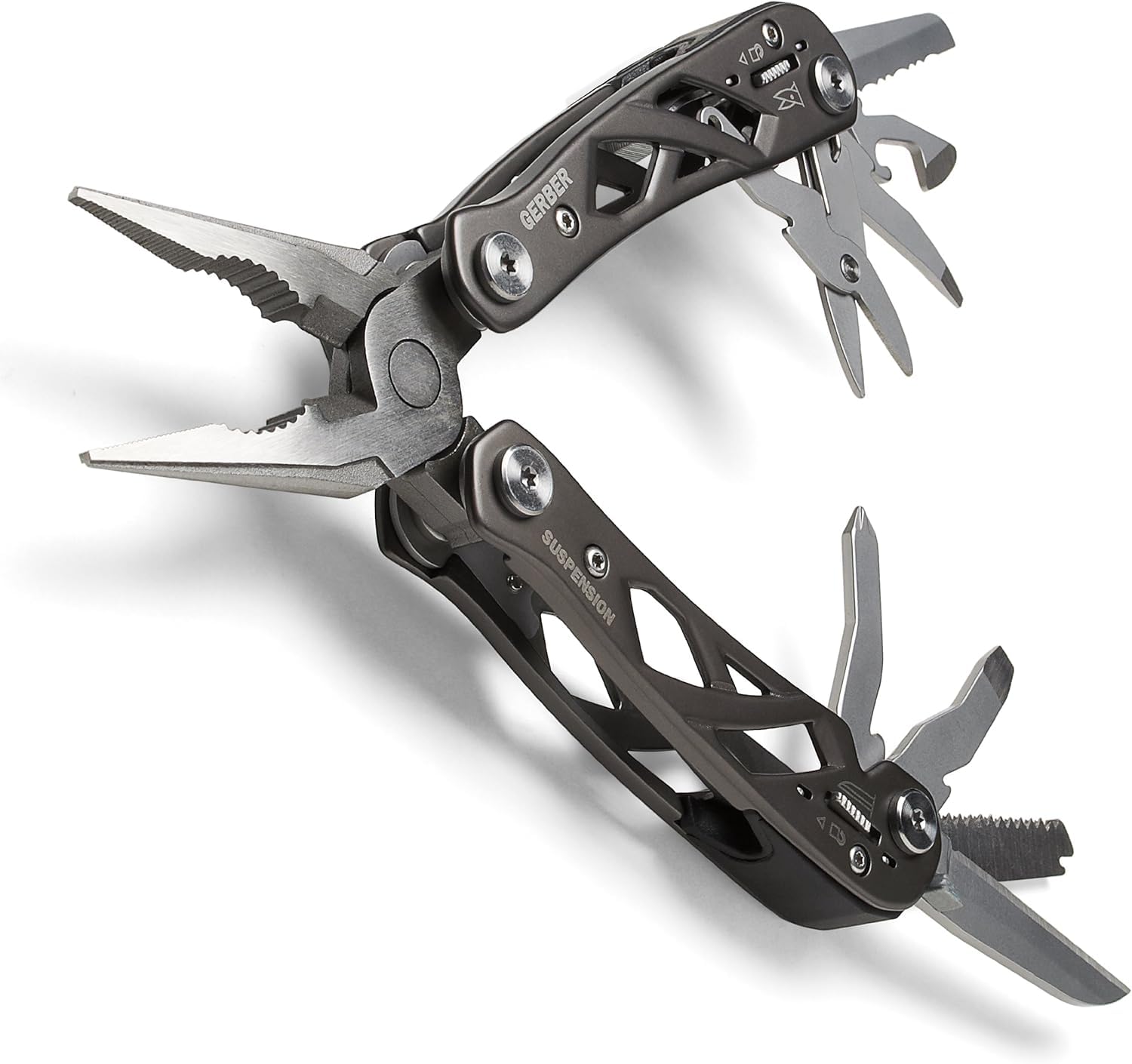
The best EDC flashlight for vineyard managers is one component of a kit that should also include a quality multitool for emergency fan repairs (loose bolts, frayed belts, broken zip-ties on sensor cables) and a folding knife. See our guide to using a multitool for everyday tasks for pairing recommendations. A pliers-forward tool with wire cutters handles 90% of frost-fan field repairs without a trip back to the shop.
Frequently Asked Questions
What lumen output do I actually need to inspect a frost fan from 50 feet away?
Around 800-1,200 lumens with a focused beam is sufficient to confirm blade rotation and gearbox condition at 50 feet. The candela rating matters more than raw lumens here — aim for 15,000 candela minimum so the hot-spot doesn't diffuse before it reaches the fan platform. Going above 1,800 lumens is overkill and just wastes runtime and cooks the LED.
How long should a flashlight battery last during a four-hour pre-dawn frost watch?
You want a light that sustains 400-600 lumens for at least 2.5 hours on a single charge, with the ability to swap or recharge cells without going back to the shed. A 21700 5,000 mAh cell typically delivers that in mild conditions; in freezing temperatures plan on 30-40% capacity loss, so carry a spare or pick a USB-C rechargeable model you can top off in the truck.
Are headlamps better than handheld flashlights for vineyard frost inspections?
Headlamps are great for hands-free tasks like climbing a fan tower or restarting a propane heater, but they lack the throw to verify distant fans and they ruin your night vision when you turn your head. Most experienced vineyard managers carry both: a 400-lumen rechargeable headlamp with a red mode for close work and a 1,500-lumen handheld thrower for fan checks.
What waterproofing rating do I need for spring frost work in a wet vineyard?
IPX7 is the practical minimum because frost events come with heavy dew, condensation, and the occasional drop into standing irrigation water. IP68 is better because it adds dust protection for harvest and pruning seasons. Whatever rating you choose, inspect the o-rings monthly and apply silicone grease quarterly — a worn seal leaks long before the IP sticker says it should.
Will a tactical flashlight work better than a standard EDC light for fan inspections?
Yes, in most cases. Tactical lights have tail switches with momentary-on, deeper reflectors for better throw, and crenelated bezels that allow tail-standing as an emergency lantern. The trade-off is a slightly bulkier form factor. For a side-by-side comparison see our best tactical flashlights for everyday carry roundup.
How do I keep my flashlight battery from dying in sub-freezing temperatures?
Store spare cells in an inside coat pocket rather than the truck console, since body heat keeps them above their performance threshold. Choose 21700 cells over 18650s — the larger format retains capacity better in the cold. Avoid running turbo mode for long periods (it accelerates voltage sag), and consider a light with a low-voltage cutoff so you don't strand yourself mid-row.
Can I use the same flashlight for vineyard work and general EDC during the day?
Absolutely — that's the whole point of a well-chosen EDC light. A 5.5-inch, 5-ounce 21700-format thrower with a deep-carry pocket clip handles fan inspections at 3 a.m. and clips to your jeans for the rest of the day. Look for a mode set that includes a true moonlight (1-5 lumen) mode for nighttime tasks where you don't want to wake yourself up.
Key Takeaways
- Choosing the right best edc flashlight for vineyard managers means matching capacity and output ports to your actual devices
- Always check actual watt-hours (Wh), not just watts — runtime depends on Wh, not peak output
- Also covers: vineyard frost fan flashlight
- Also covers: winery manager edc light
- Also covers: vineyard pre dawn flashlight
- Compare price-per-Wh across models to find the best value for your budget