The best EDC multitool for prosthetists is one that pairs precision drivers (especially 2.5mm, 3mm, and 4mm hex bits common on pylon clamps, socket adapters, and tube clamps) with fine-tip needle-nose pliers, sharp scissors for trimming socks and gel liners, and a smooth-edge blade for scoring foam or trimming distal pads. For clinicians who adjust patient limb sockets all day, the ideal tool is compact enough to ride in a lab coat or scrub pocket, has lockable implements for safety around skin, and resists corrosion from sweat, alcohol wipes, and cleaning agents. Below we break down what to prioritize, the trade-offs between full-size and keychain formats, and which feature sets matter most when you are kneeling beside a patient making real-time alignment tweaks.
This buyers guide focuses on what prosthetists actually do at chairside: loosening a 4mm pylon bolt for a quick toe-out adjustment, snipping a stray Kevlar thread from a check socket, prying open a stubborn foot-shell, or tightening the screws on a suspension sleeve. The best EDC multitool for prosthetists is not the heaviest one with the most blades — it is the one whose driver set, pliers geometry, and pocket profile match the way you work.
What makes a multitool right for prosthetic socket adjustments
Prosthetic components from major manufacturers (Össur, Ottobock, Fillauer, College Park, WillowWood) overwhelmingly use metric hex hardware. Your tool needs to drive these reliably without camming out and stripping the head — a stripped pyramid adapter bolt mid-fitting is a bad afternoon. Here are the criteria that separate clinic-worthy tools from generic EDC multitools.
Metric hex bit compatibility
The driver is the heart of any tool you carry into a fitting room. Look for a multitool that accepts standard 1/4" hex bits, or that ships with a swappable bit kit covering at least 2.5mm, 3mm, 4mm, 5mm, and 6mm. Many prosthetic alignment screws and pylon clamps live in the 4mm-to-6mm range, but socket valve plates and electronic knee covers can drop to 2mm or 2.5mm. A bit driver with a magnetic socket also means you are not chasing a dropped screw across the tile floor while your patient watches.
Locking implements for skin-adjacent work
You will sometimes work with the patient's residual limb exposed, trimming a liner edge or scoring a trim line on a check socket while it is donned. Non-locking blades and scissors are a real injury risk. Choose a tool where every cutting implement — blade, scissors, saw, and file — locks open and requires a deliberate release. Liner-lock or frame-lock blade designs are the current standard.
Fine-tip needle-nose pliers
Bulky combination pliers are fine for shop work, but at chairside you are pulling pull-cord loops through valves, seating tiny C-clips on socket lanyards, or fishing a broken screw out of a thigh corset. The pliers should taper to a point fine enough to grip a 1mm wire. Spring-loaded jaws reduce hand fatigue across a day of repeated adjustments.
Corrosion resistance and cleanability
Clinics are wiped down with isopropyl alcohol, quats, and occasionally bleach solutions. A multitool that develops surface rust or sticky pivots after a month is not clinic-grade. Look for 420HC or better stainless steel, sealed pivots, and avoid tools with leather sheaths or fabric handle scales that absorb cleaning chemicals.
Pocket geometry
A lab coat pocket or scrub top will accept a tool up to about 4.5" closed and 6 oz before it sags or prints awkwardly. Belt-mounted sheaths work for shop-side prosthetists but are clunky in patient-facing rooms. Many clinicians prefer a slim, clip-mounted tool that rides like a folding knife.
Full-size versus keychain multitools for clinic use
There are two valid carry strategies: a single full-size tool that handles every clinic task, or a keychain-class tool paired with a dedicated bit driver in a drawer. Full-size tools (Leatherman Wave+, Victorinox SwissTool, Gerber Center-Drive) give you proper pliers, a real saw, and substantial leverage on stuck pyramid bolts. Keychain tools (Leatherman Squirt, Gerber Dime, Victorinox MiniChamp) disappear into a pocket but lack the torque for serious clamp work.
For most clinical prosthetists, a full-size pliers-based tool with a 1/4" bit driver is the right answer. If you split your day between clinic and lab, consider carrying both: keychain on your badge lanyard, full-size in a drawer or bag for serious adjustments. See our guide to picking the perfect multitool for a deeper walkthrough of these trade-offs.
Feature comparison for chairside prosthetic adjustments
| Feature | Why prosthetists need it | What to look for |
|---|---|---|
| 1/4" hex bit driver | Drives metric hex bolts on pylons, adapters, and clamps | Magnetic socket, double-ended bits 2.5-6mm |
| Needle-nose pliers | Seats clips, pulls valves, grips small wires | Tapered tips, replaceable wire cutters |
| Locking scissors | Trims gel liners, prosthetic socks, suspension sleeves | Spring-loaded, replaceable, 2"+ blade |
| Locking blade | Scores check sockets, trims foam pads | Plain edge, 2.5-3.5" length |
| File / saw | Smooths plastic trim lines, cuts EVA foam | Diamond-coated file preferred |
| Pocket clip | Fast access from scrub or lab coat pocket | Reversible, deep-carry |
Top categories of multitools worth carrying into a prosthetic clinic
Full-size pliers-based tools with bit drivers
These are the workhorses. They give you genuine torque on stuck adapter bolts, real cutting capacity on thick suspension straps, and accept the full range of hex bits you need. Examples in this class are well covered in our Leatherman Wave+ review and the head-to-head Wave+ vs Victorinox SwissTool comparison. Look at handle ergonomics carefully — you will be making dozens of small turns in awkward angles between the patient's residual limb and a chair frame.
Slim T-handle bit drivers
Not strictly multitools, but worth mentioning: a dedicated T-handle hex driver with a magnetic 1/4" socket gives you cleaner torque on pyramid bolts than any folding tool. Many prosthetists pair a Wera or Wiha T-handle with a folding multitool. The T-handle lives in the cart drawer; the multitool lives in the pocket.
Compact pliers tools with built-in bits
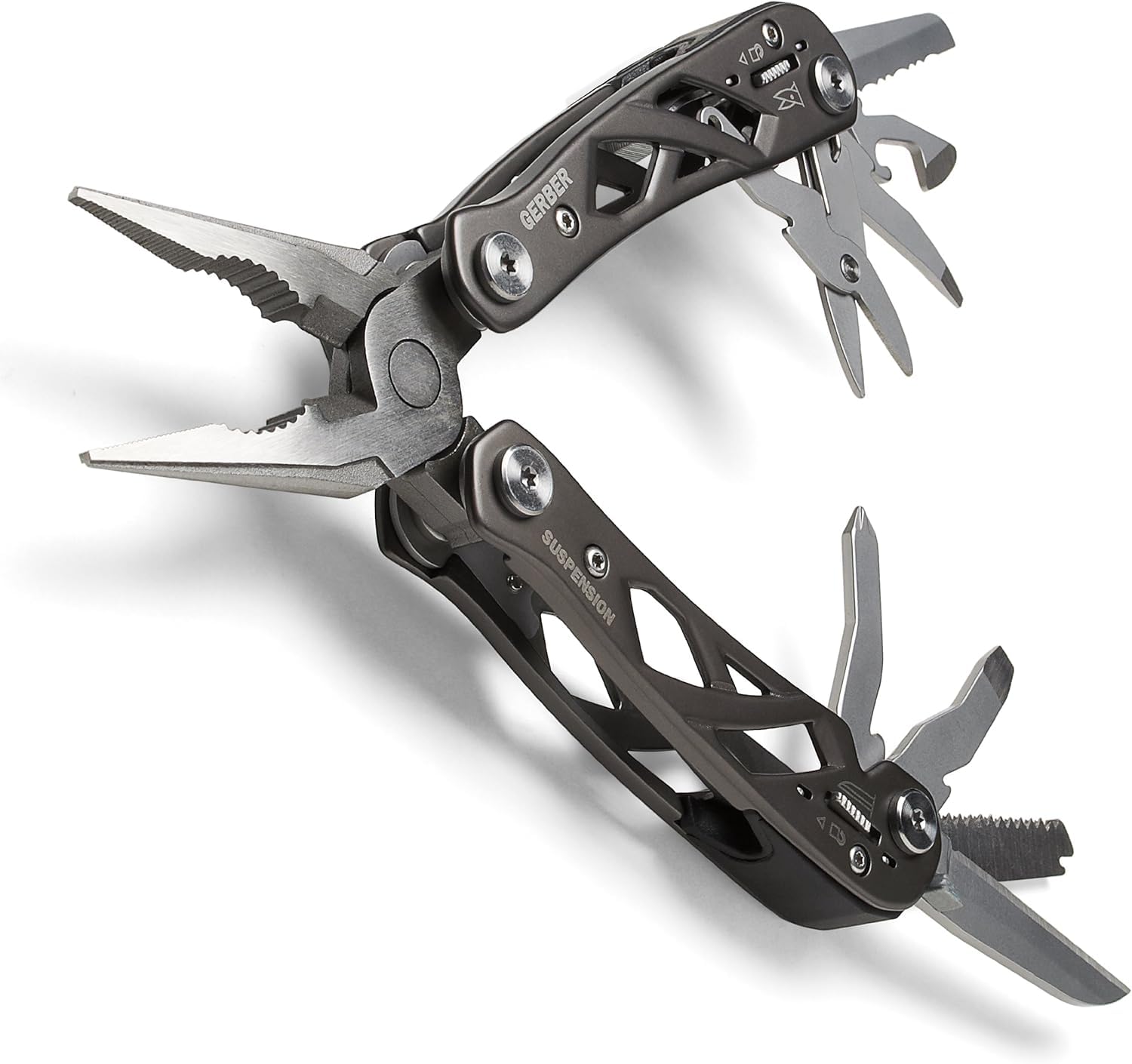
If you do less full-bolt adjustment and more quick fixes — tightening a loose screw, snipping a thread, popping a foot shell — a compact tool like a Leatherman Skeletool, Gerber Suspension NXT, or SOG PowerPint can be enough. Our Gerber Suspension NXT vs SOG PowerPint comparison walks through the trade-offs in this size class. The compromise is bit storage: most of these tools carry only two or three bits onboard, so you will need a small bit holder in your clinic drawer.
Swiss-style multi-blade tools
Victorinox tools (Spirit, SwissTool, or a well-chosen pocketknife like the Tinker or Cybertool) lean into precision: scissors that actually cut, screwdrivers that fit Phillips and slotted heads without slipping, and a small Phillips for the occasional non-hex screw you find on older prostheses. They are not as good at heavy torque but excel at the detail work that fills most of a clinic day.
Pairing your multitool with a small EDC flashlight
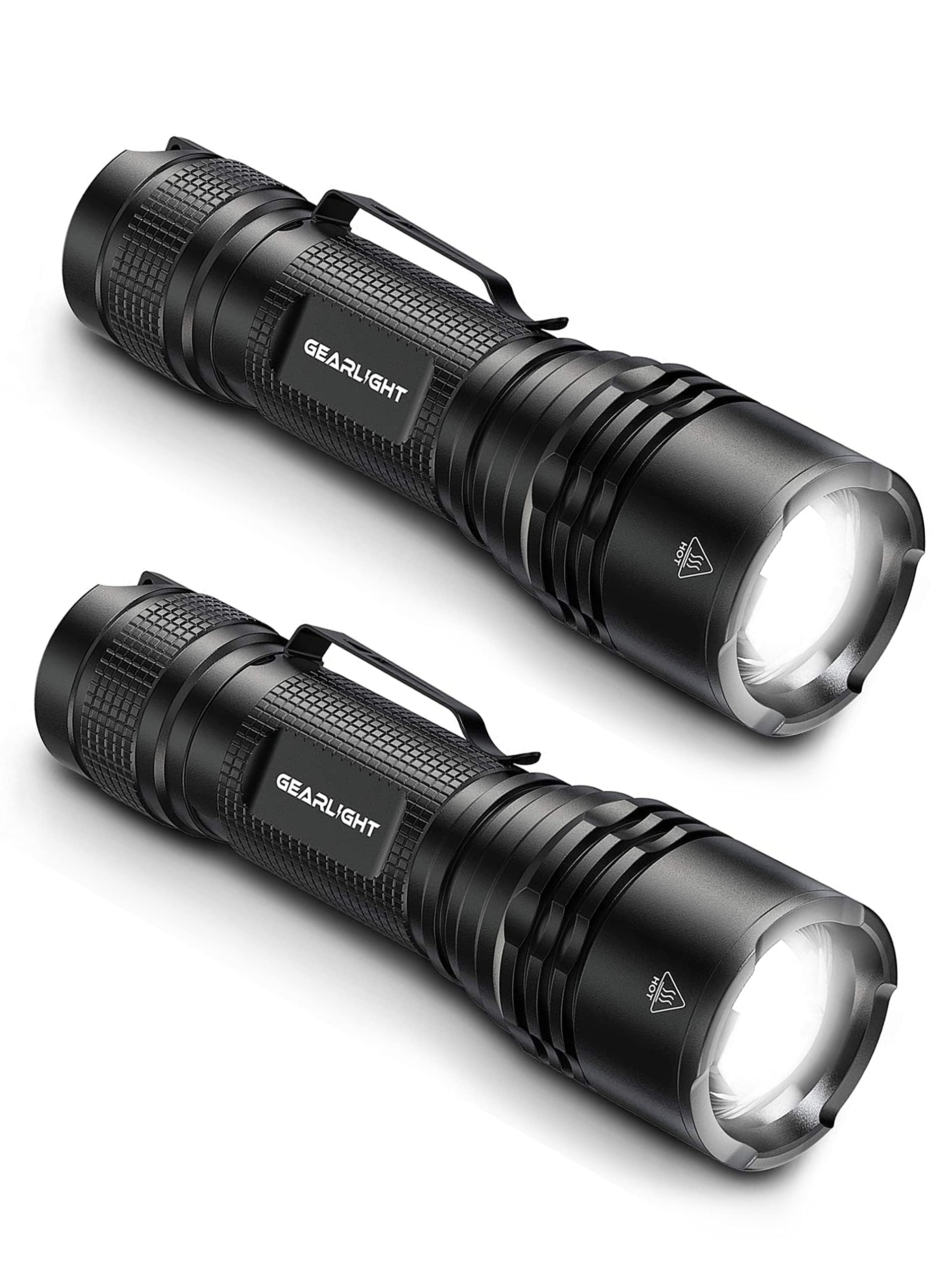
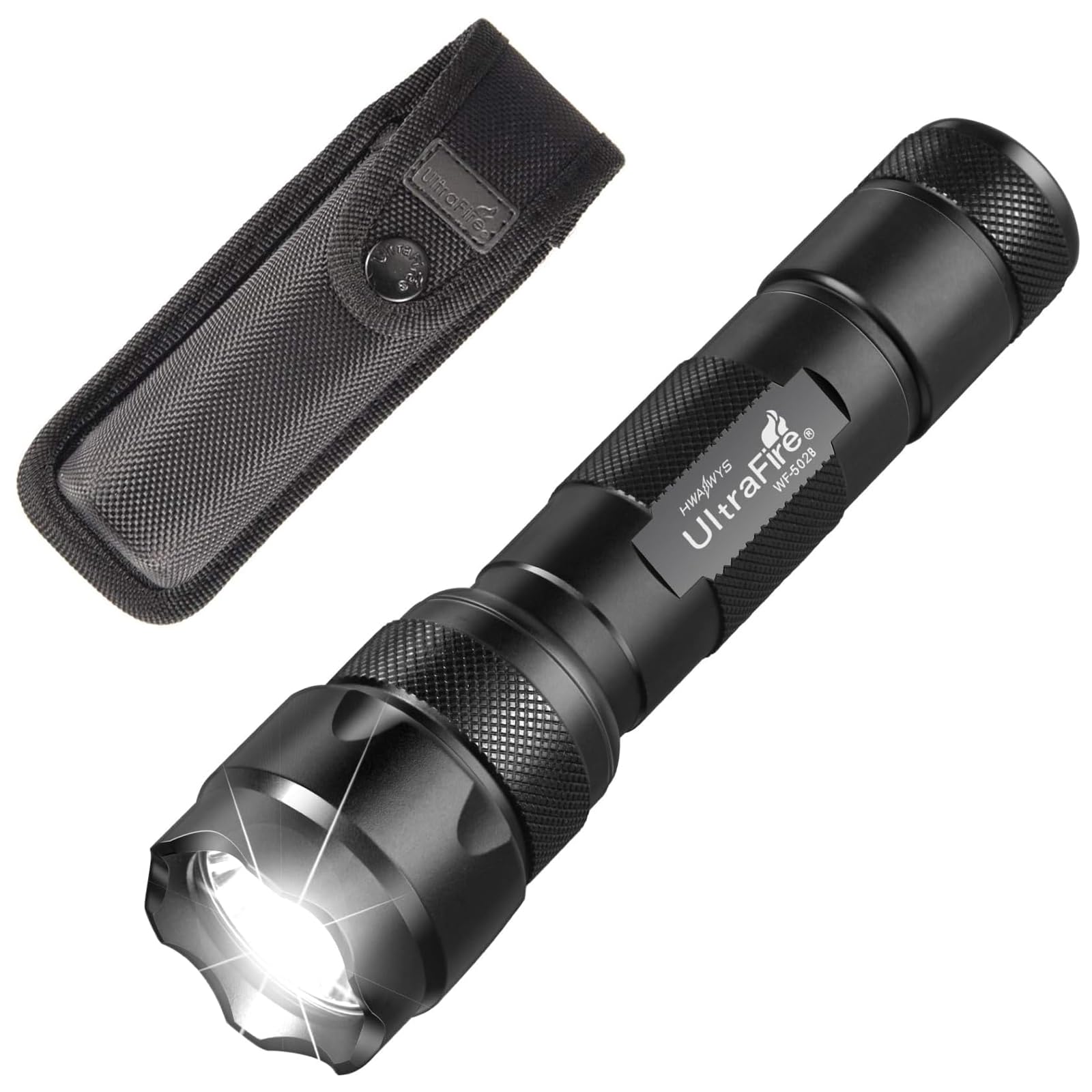
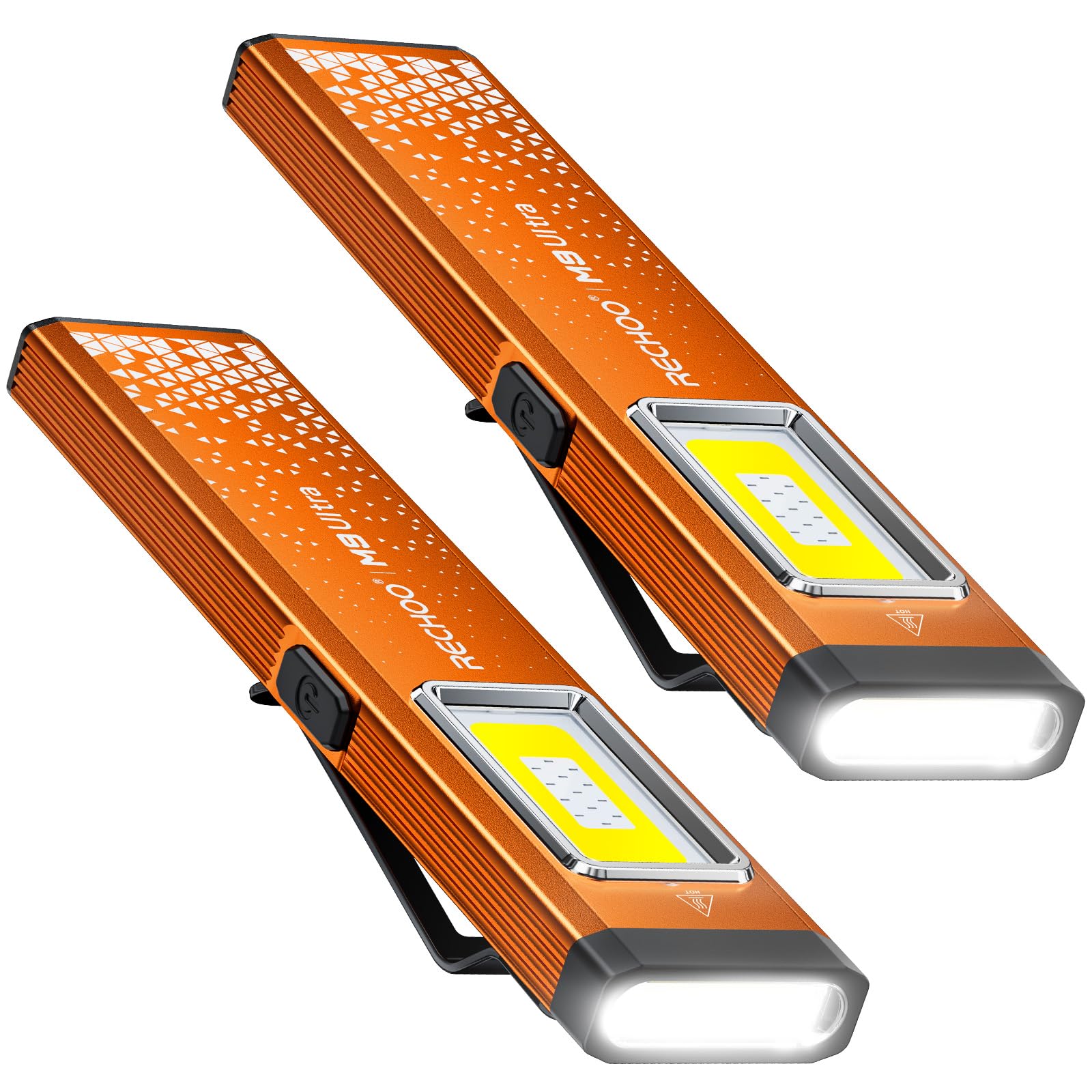
Clinic lighting is overhead and diffuse, which is great for general work and terrible for inspecting the inside of a deep socket or finding a tiny set screw under a knee shroud. A pocket flashlight with a high-CRI emitter (CRI 90+) shows skin tone accurately when you are checking for redness or pressure marks, and a tight hotspot lets you see into socket bottoms. Right-angle lights with magnetic tails are particularly useful because you can stick them to the metal frame of an alignment fixture or treatment chair and free up both hands.
For options here, see our roundup of the best everyday carry flashlights of 2026 and our guide to choosing the best EDC flashlight. A small 1000-lumen pocket light with a magnetic tail and high-CRI emitter is the sweet spot for clinic work.
Practical tips for clinic carry and maintenance
The best EDC multitool for prosthetists is the one you actually have on you when a patient walks in with a wobbly pylon. A few habits will keep it useful for years:
- Wipe pivots weekly with a dry microfiber and a single drop of food-safe mineral oil on each joint. Avoid WD-40, which gums up over time and smells terrible in a closed exam room.
- Rotate your bit set quarterly. Hex bits round off slowly with hard use on Loctited bolts. A rounded 4mm bit will strip an Össur pyramid screw before you know what happened.
- Carry a spare scissors blade or replaceable insert if your tool supports it. Cutting through silicone gel liners dulls scissors fast.
- Keep a small bit extension in your drawer. Some socket adapters sit recessed and a stubby driver cannot reach them.
- Clean after sweaty fittings. Patient perspiration is salty and accelerates pivot corrosion. A quick wipe before the tool goes back in your pocket buys you years of life.
For a broader maintenance routine, see our guide to maintaining your multitool and flashlight and our piece on safely using multitools every day.
Building a complete chairside prosthetist EDC kit
A multitool is the centerpiece, but the full kit for a clinic prosthetist usually includes: the multitool itself, a high-CRI pocket flashlight, a small ruler or trim-line marker, a Sharpie, a roll of gauze tape for marking adjustment points on socks, a pair of disposable nitrile gloves in a pocket-friendly pack, and a bit extender. Some clinicians add a torque-limiting key for final pyramid bolt tightening — manufacturer specs often call for 15 Nm, which is hard to feel by hand. For ideas on organizing all of this, see how to pack and organize your EDC kit.
Frequently Asked Questions
What size hex bits do prosthetists use most often?
Across the major component lines, the most common metric hex sizes are 4mm (pyramid adapter bolts and many pylon clamps), 5mm (foot mounting bolts and some knee components), and 3mm (cover screws, electronic battery doors, and valve plates). 2.5mm shows up on smaller cosmesis screws, and 6mm appears on heavier suspension hardware. A bit set spanning 2mm to 6mm will cover roughly 95 percent of chairside adjustments. Verify with your specific component manufacturer — Össur, Ottobock, College Park, and Fillauer publish torque and hex size specifications in their technical manuals.
Is a Leatherman Wave+ overkill for prosthetic clinic work?
No, and many clinicians land on it as their primary tool. The Wave+ accepts standard 1/4" hex bits via its bit driver, has lockable scissors and blade, and gives you genuine torque on stubborn bolts. The trade-off is bulk: at about 8.5 oz it is noticeable in a lab coat pocket. If you do mostly fine adjustments and rarely fight stuck hardware, a smaller tool may be more comfortable for daily carry. If you frequently service older or field-repaired prostheses, the Wave+ leverage pays off.
Can I use my clinic multitool on a patient with the prosthesis donned?
Yes, with caution. Adjustments to alignment screws and pylon clamps are routinely done with the limb in place because that is when you can read the patient's gait and comfort feedback. Always use locking implements when blades or scissors are open near skin, work slowly, support the prosthesis so a slipped driver does not jerk against the residual limb, and consider a torque-limiting tool for final tightening to avoid over-torquing and damaging adapter threads.
What is the best lightweight multitool for prosthetists who already carry a lot of gear?
If pocket weight is a priority, look at compact pliers-based tools in the 4 to 5 oz range with bit drivers — the Leatherman Skeletool series, Gerber Suspension NXT, or SOG PowerPint family. You give up onboard bit storage and some torque, but you keep the essential functions: pliers, blade, and one or two bits. Pair with a small bit holder in your clinic drawer. Our best lightweight multitools roundup for 2026 covers this size class in depth.
How do I keep my multitool sanitary between patients?
Standard clinic protocol applies: wipe external surfaces with a 70 percent isopropyl alcohol pad or an EPA-registered surface disinfectant wipe between patients, the same way you would treat a goniometer or trim shears. Avoid bleach-based wipes on coated handles, as they can degrade certain finishes. Periodically open every implement and wipe inside the channels, where lint, skin oils, and adhesive residue from gel liners can accumulate. A toothbrush handles the pivots well.
Do I need a separate torque wrench, or can my multitool handle final tightening?
For preliminary adjustments during fitting, a multitool is fine. For final tightening of pyramid adapters, knee bolts, and other safety-critical hardware, use a calibrated torque-limiting driver set to the manufacturer's specification (commonly 15 Nm for pyramid bolts, though this varies). A multitool cannot deliver reliable torque values, and under- or over-torquing structural prosthetic hardware is a real safety risk to your patient.
What flashlight should I pair with my multitool for clinic work?
Pick a small pocket light with three features: a high-CRI emitter (CRI 90 or higher) so skin tones and tissue read accurately during pressure-mark checks, a magnetic tail for hands-free placement on alignment fixtures or chair frames, and at least 500 lumens with a useful low mode (5 to 30 lumens) so you do not blind yourself or your patient. Right-angle lights work especially well for inspecting deep sockets. See our top rechargeable flashlights for everyday use for current picks that fit this profile.
For full disclosure on how we evaluate gear and earn commissions, see our affiliate disclosure.
Key Takeaways
- Choosing the right best edc multitool for prosthetists means matching capacity and output ports to your actual devices
- Always check actual watt-hours (Wh), not just watts — runtime depends on Wh, not peak output
- Also covers: prosthetist multitool socket adjustment
- Also covers: clinic multitool limb fitting
- Also covers: best edc tool for prosthetic technicians
- Compare price-per-Wh across models to find the best value for your budget