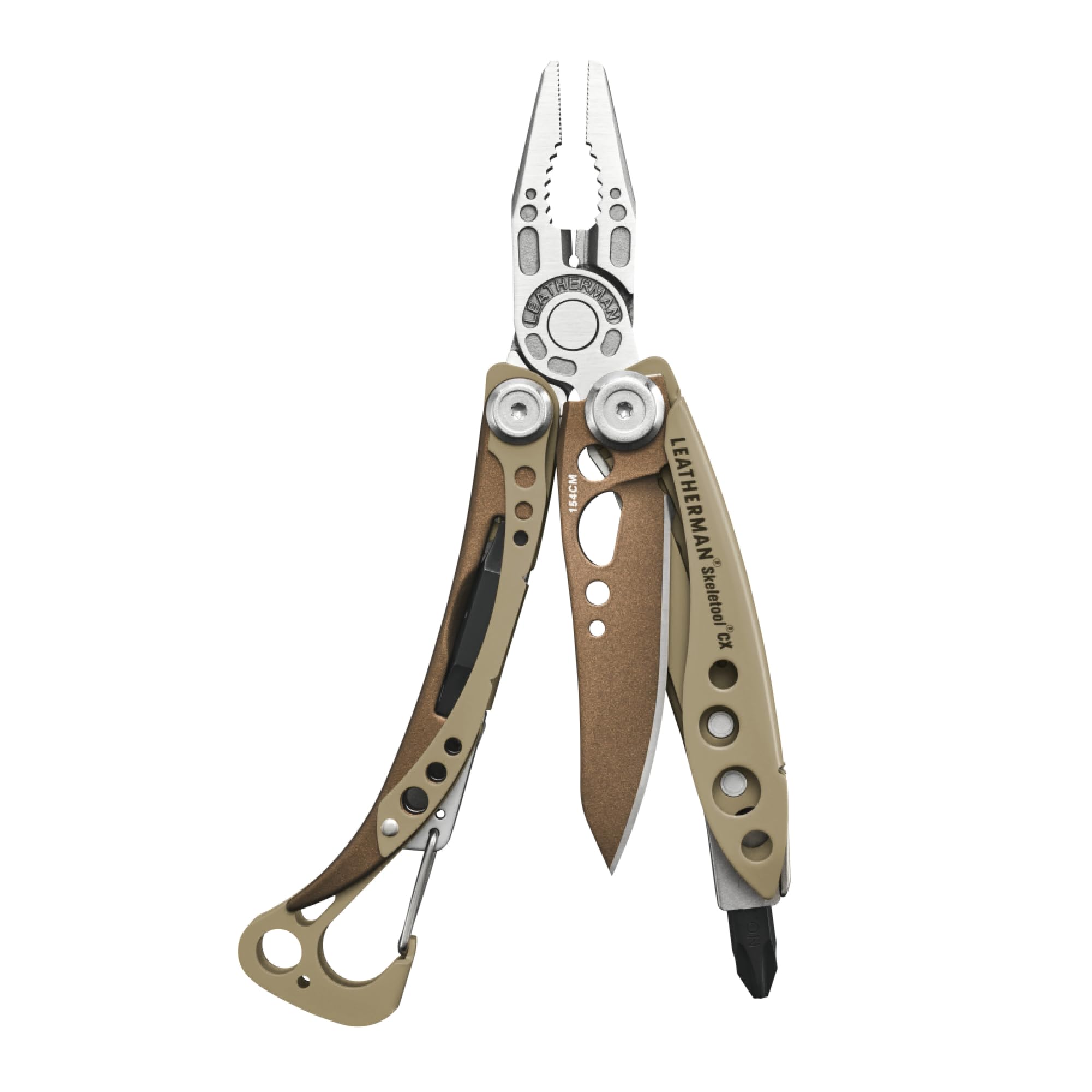
If you run a mobile espresso setup, the best multitool for mobile coffee cart baristas is one that lets you tighten a portafilter gasket, swap a shower screen, clear a clogged group head, and re-seat a steam wand O-ring without ever opening a tool roll. For leak repairs specifically, you want a compact frame with locking pliers, a flat-tip and Phillips screwdriver bit set, a small pry/scraper edge, and stainless construction that shrugs off milk splatter and citrus cleaner. The fixes are almost always quick — a half-turn here, a fresh gasket there — but they happen at the worst possible moment, usually mid-rush at a farmer's market with a queue forming.
This guide walks through what to look for in a multitool built for cart life, how to use it on portafilter leaks specifically, and the maintenance habits that keep it food-safe between services. We'll also cover sizing, sheath options, and a few frequently asked long-tail questions baristas search for after their first leak emergency.
Why portafilter leaks happen on mobile carts
Mobile carts vibrate. Generators hum, wheels bounce over curbs, and every pothole between gigs torques the group head bolts a fraction of a degree. Combine that with thermal cycling — your boiler heats and cools twice a day instead of staying on 24/7 like a café machine — and gaskets harden faster, screens loosen, and the portafilter handle starts hissing steam around the rim. A leak that would take a week to develop in a stationary café shows up in a month on the road.
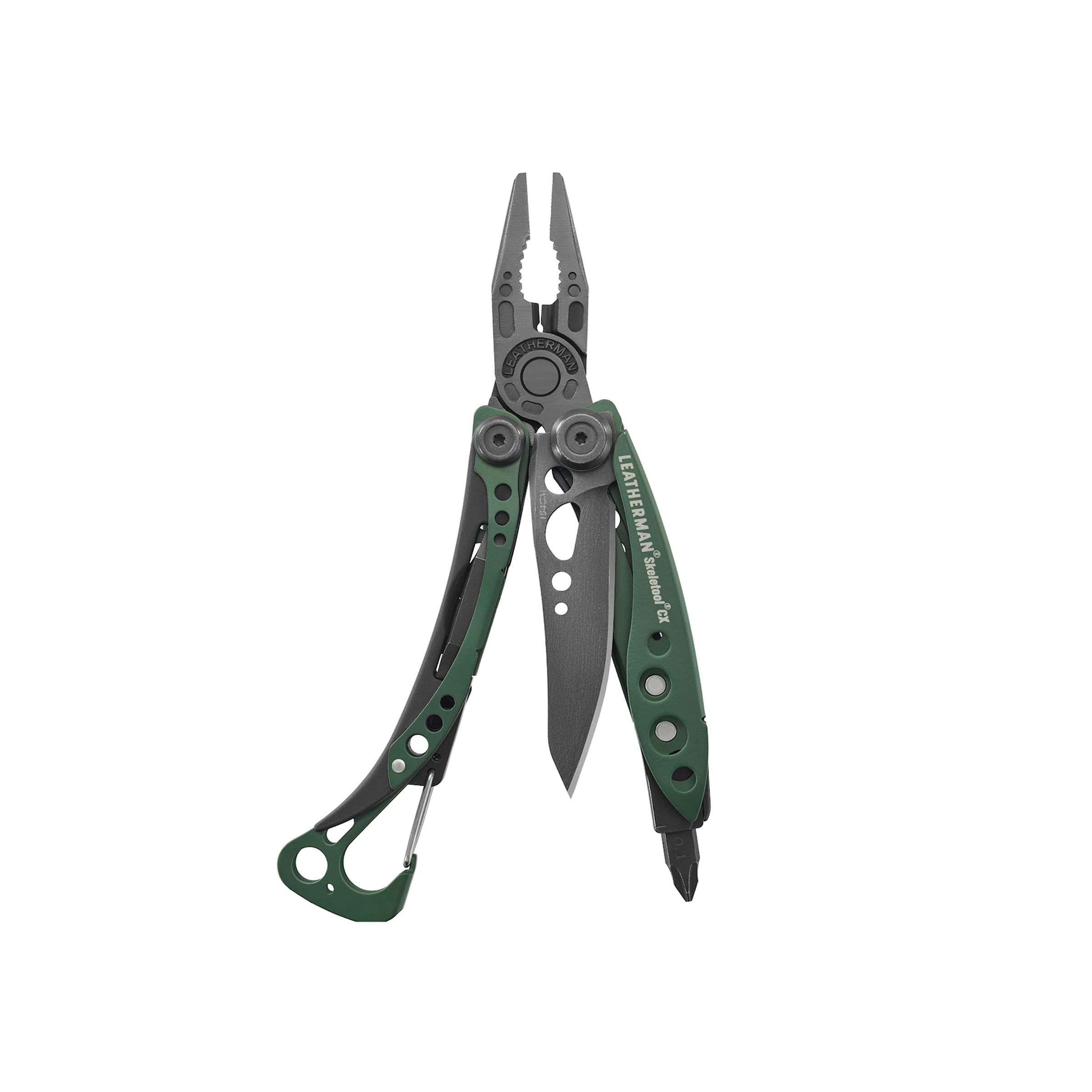
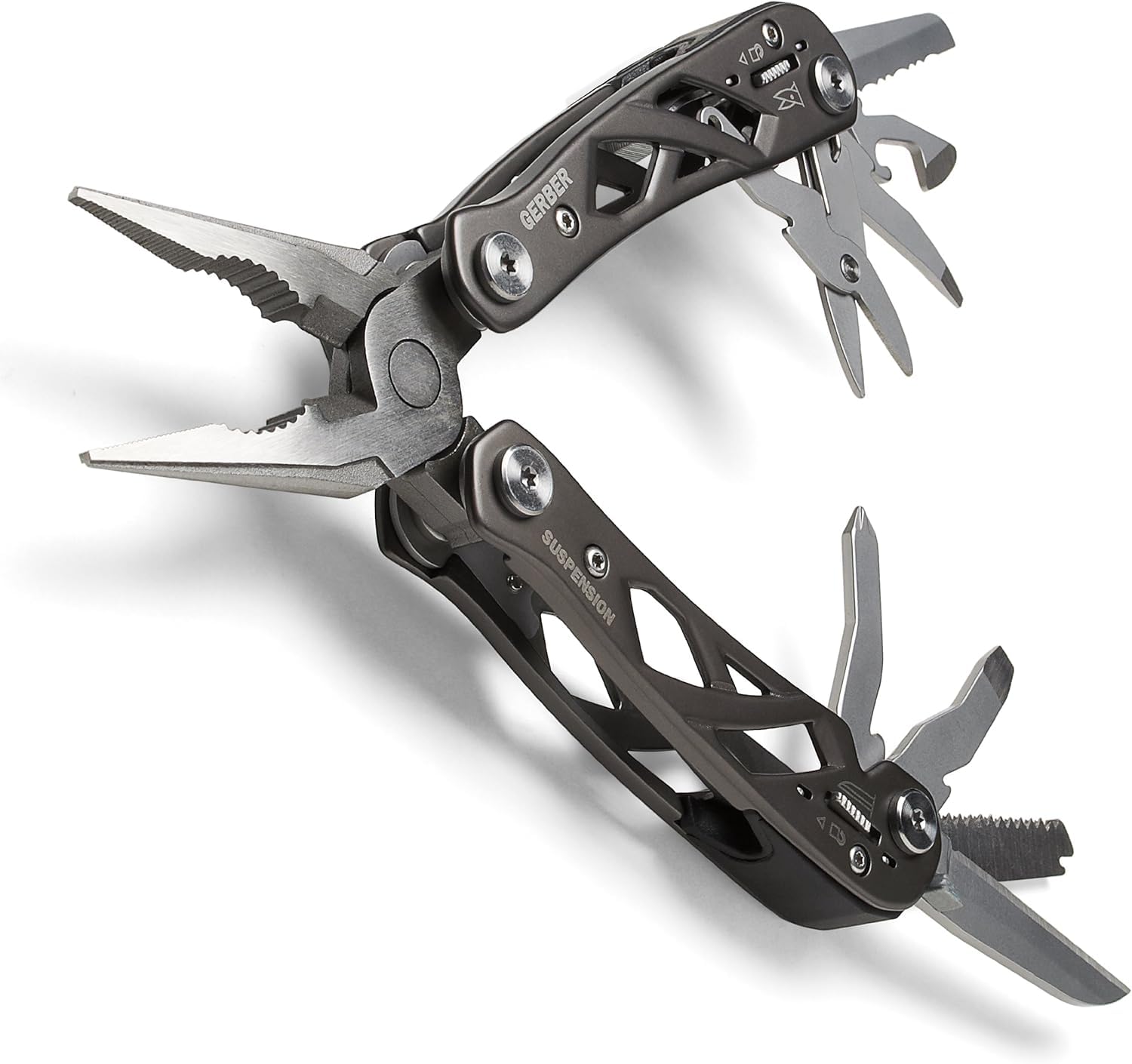
Most leaks fall into four buckets: a hardened group gasket (rubber compressed flat), a clogged or misaligned shower screen, a loose dispersion block screw, or a portafilter handle that's slipped on its threaded stem. All four are field-repairable in under ten minutes if you have the right multitool clipped to your apron.
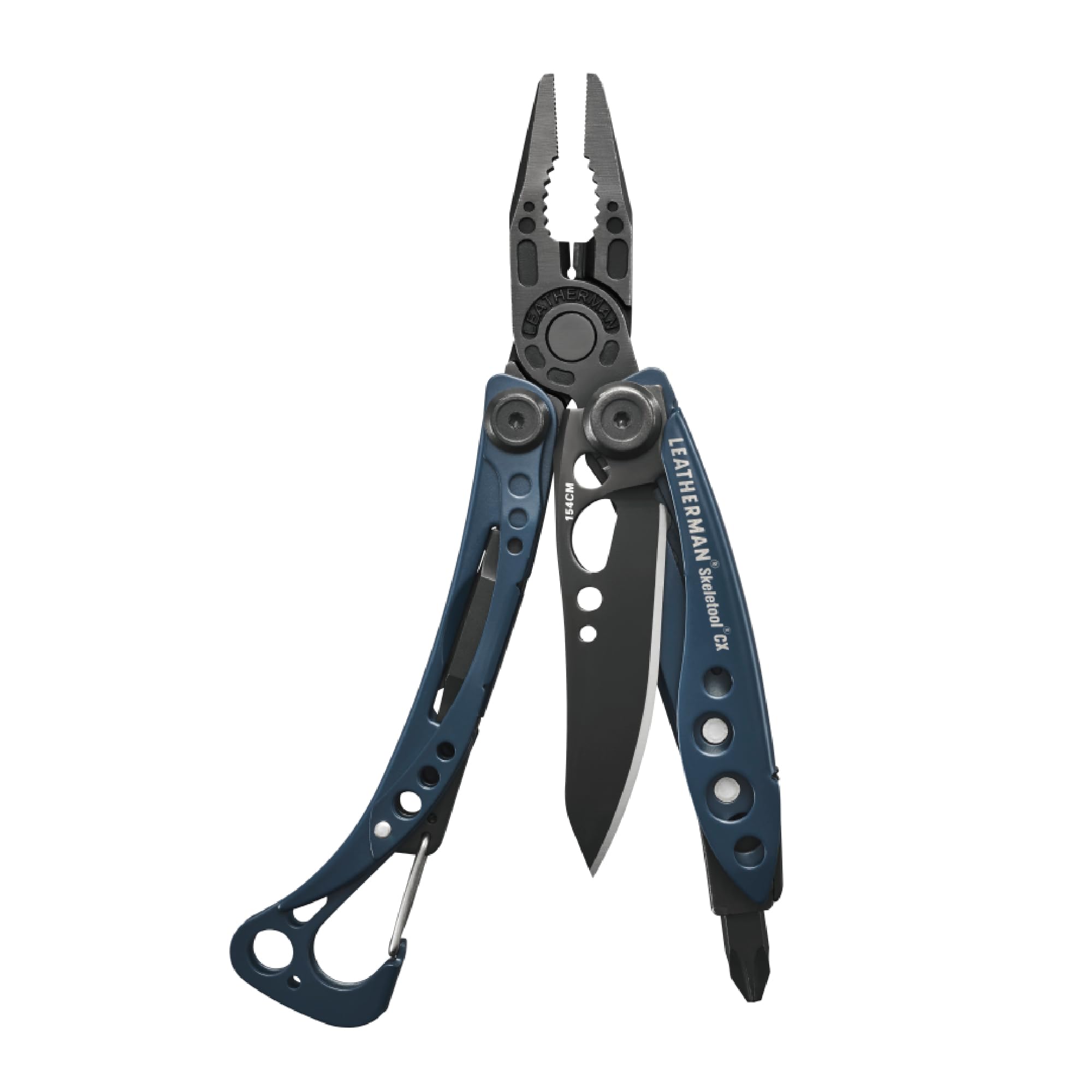
What to look for in the best multitool for mobile coffee cart baristas
Cart work has a unique tool profile. You're not splitting firewood or stripping wire — you're working in tight, hot, wet spaces around food-contact surfaces. The best multitool for mobile coffee cart baristas emphasizes precision over brute force.
Locking needle-nose pliers
You need pliers that can grip a stuck shower screen by its tiny center screw or pull a stubborn gasket out of a recessed group head. Needle-nose tips reach into the 58 mm group cavity without scratching the polished chrome. Locking jaws matter because portafilter parts are slippery when wet, and you don't want the tool snapping shut on your fingertip while you're concentrating on the gasket seat.
Bit driver with espresso-relevant sizes
Most commercial espresso machines use a mix of metric hex (3 mm and 4 mm are common for group head bolts), small Phillips (#1 for shower screen retention), and flat-tip drivers (for adjusting OPV pressure relief valves on some machines). A multitool with a removable bit driver beats one with fixed screwdrivers because you can carry an espresso-specific bit kit in a pouch alongside the tool.
Stainless steel, not coated carbon
Coffee is acidic. Milk proteins, citric-acid descaler, and group head cleaner all attack cheap coatings within weeks. Solid 420HC or 154CM stainless tools cost more up front but survive years of daily wipe-downs. Avoid anything black-oxide coated or with painted scales — the finish will flake into your portafilter basket.
Compact, belt-clip or apron-friendly carry
You're already wearing a tamp, a knock box scraper, and a thermometer. The multitool can't dominate your apron pocket. Look for sub-4-inch closed length and a removable pocket clip. A vertical leather sheath on the apron tie works well for taller frames.
A small pry or scraper
Group gaskets sometimes weld themselves to the dispersion block after years of heat. A thin pry edge or a dedicated gasket pick lets you lift the old gasket out without gouging the aluminum block underneath. Some multitools include a small flathead that doubles as this scraper; others have a dedicated package opener that works perfectly.
The portafilter leak repair workflow
Here is the field repair most cart baristas will run dozens of times. Cool the group head first — turn the machine off and let it sit five minutes, or you'll burn your knuckles on the brass.
Step 1: Lock the portafilter in and watch where the leak originates. If steam escapes between the handle rim and the group, it's a gasket issue. If it drips from the bottom spouts after a shot, it's a basket or seal issue inside the handle itself.
Step 2: Remove the portafilter. Use the multitool's Phillips bit to back out the shower screen center screw. Pull the screen with the needle-nose pliers if it sticks.
Step 3: Inspect the gasket. If it's flat, glossy, or cracked, pry it out with the scraper edge. Don't reuse a deformed gasket — they're under two dollars and you should carry three spares.
Step 4: Seat the new gasket, lip-side facing the group. Reinstall the shower screen, snug but not torqued. Reinsert the portafilter and lock it in — if it locks past the 6 o'clock position, the gasket is too thin; if it stops before 4 o'clock, it's too thick or doubled up.
Step 5: Pull a blank shot to test. No drips, no hiss — you're back in service.
Multitool features ranked by how often you'll actually use them on a cart
Cart baristas reach for a small number of tool functions repeatedly. Here's how the feature set breaks down by real-world frequency.
| Tool function | Use frequency on a cart | Typical task |
|---|---|---|
| Phillips #1 / #2 bit | Daily | Shower screen retention screw |
| Needle-nose pliers | Weekly | Pulling gaskets, O-rings, stuck screens |
| Flat-tip driver / scraper | Weekly | Prying old gaskets, opening cleaner sachets |
| Hex bits (3 mm, 4 mm) | Monthly | Group head bolts, steam arm fittings |
| Knife blade | Daily (non-coffee) | Opening bean bags, cutting zip ties |
| Wire cutters | Rarely | Generator extension repairs |
| Saw / file | Almost never | Adjusting wood cart trim |
The takeaway: weight your purchase toward the top four rows. A tool packed with a saw, file, and bottle opener but no removable bit driver is worse for cart work than a simpler frame with a great bit system.
Full-size vs. keychain frames for cart work
You'll see two schools of thought among mobile baristas. Some swear by a full-size frame — Leatherman Wave-class tools — because the pliers have real leverage for stubborn group bolts. Others run a keychain-class tool because it lives on the apron without bouncing during pours.
Full-size pros: better pliers torque, full-length bit driver, easier to grip with espresso-oil-slick hands. Full-size cons: heavier, costlier, and overkill for 80% of repairs.
Keychain pros: always on your person, never gets left in the van, fits in the apron pocket next to your tamp. Keychain cons: tiny pliers struggle with seized hardware, and the bit driver, if present, is often non-removable.
If you can carry only one, a mid-size frame (around 4 inches closed) with a removable bit driver hits the sweet spot. For a deeper feature comparison, our essential multitool features guide breaks down the trade-offs by use case.
Food-safe maintenance between services
A multitool that touches espresso parts touches food. Treat it that way.
Daily: Wipe the tool down with a clean microfiber after each service. Pay attention to the pivot points where milk residue collects. Dry it fully — coffee oils plus moisture promote pitting on the pliers' inner faces.
Weekly: Open every implement and inspect for residue. A toothbrush with hot water and a drop of unscented dish soap clears most buildup. Avoid degreasers near pivots — they strip the factory lubricant and lead to gritty action within a month.
Monthly: Apply a tiny drop of food-grade mineral oil to each pivot. Food-grade matters because trace oil will end up in your group head. NSF H1-rated lubricants are widely available and safe around brew water.
Quarterly: Inspect the locking mechanism on the pliers. Cart vibration can loosen lock detents. Tighten any visible torx or hex screws on the handle scales.
For a deeper maintenance routine that also covers your headlamp and pour-over kit, see our everyday multitool tasks guide.
Carrying the tool on a working apron
The wrong carry method ruins a great tool. Three options that work for mobile baristas:
Pocket clip on the apron strap: Fast access but the tool can swing into the espresso machine when you bend over.
Vertical leather sheath on the waist tie: Stable, professional-looking, and the leather absorbs minor splatter. Best for mid-size frames.
Apron front pocket with a lanyard: Keeps the tool from dropping into a customer's drink when you fish it out one-handed. The lanyard clips to a D-ring on the apron.
Whatever you choose, never carry the tool loose in a pants pocket. Coins and keys will scratch the scales, and the pliers' tips will tear pocket linings within a week.
Budget considerations
You don't need a flagship tool for cart work. A solid mid-tier multitool in the $40-$80 range covers every espresso repair scenario. The premium step-up — beyond $100 — buys you better steel, smoother action, and a longer warranty, all of which matter if the tool is your livelihood. For sub-$50 options, our budget multitools roundup for 2026 lists frames with surprisingly capable bit drivers.
Pairing the multitool with a small flashlight
Cart electrical bays and under-counter plumbing are dark. A 1xAA or 1x14500 pocket flashlight clipped to the same apron makes a huge difference when you're tracing a steam line at an evening event. Look for a model with a side switch (easier to operate with one hand while holding the multitool) and a low-mode under 10 lumens to preserve night vision around customers. Our 2026 EDC flashlight picks covers options that pair well with espresso work.
Frequently Asked Questions
What size hex key fits most commercial portafilter group head bolts?
The vast majority of E61 and similar commercial group heads use 4 mm and 5 mm hex bolts for the dispersion block and 3 mm for the steam wand fittings. A multitool with a 1/4-inch bit driver and a small espresso-specific bit set covers the entire range. Older La Pavoni lever machines use a 5.5 mm wrench that no multitool carries natively — that's a dedicated tool.
Can I use a multitool blade to scrape coffee residue from the group head?
You can, but you shouldn't. Steel blades will scratch the polished brass dispersion plate, creating crevices where milk proteins and oils accumulate faster. Use a soft brass or nylon brush for residue. Reserve the multitool blade for cutting bean bags, packing tape, and zip ties — never as a scraper inside the brew path.
How often should I replace the portafilter gasket on a mobile cart?
Mobile carts see more thermal cycling than fixed cafés, so plan on quarterly gasket replacement rather than the annual schedule a brick-and-mortar shop follows. Carry at least three spares in a small ziplock with your multitool. Signs you've waited too long include hissing during the shot, water creeping above the portafilter handle, or a handle that locks past the 7 o'clock position.
Is it safe to repair my espresso machine with a generic hardware-store multitool?
It's safe if the steel is stainless and the tool has been cleaned with food-safe practices. Avoid anything with cadmium-plated bits or unknown coatings — those can leach into brew water. Stick to recognizable brands with published material specs. Our multitool selection guide covers what to look for.
What's the difference between a portafilter leak and a group head leak?
A portafilter leak escapes around the handle rim where it meets the group, usually caused by a hardened gasket. A group head leak appears at the group's mounting point on the boiler, typically from a failing internal O-ring or loose mounting bolts. Portafilter leaks you can fix in five minutes with a multitool. Group head leaks require partial disassembly and are often a shop-stop repair unless you've practiced the procedure.
Should the multitool live on the cart or with the barista?
With the barista. Tools left on the cart get borrowed, lost, or rust in damp under-counter storage. Apron carry means the tool is always within reach during service and goes home for proper cleaning at the end of the day. Carry a duplicate basic bit set on the cart for backup, but the multitool itself stays on your person.
Do I need a separate descaling tool, or can the multitool handle that too?
Descaling is a chemical process, not a mechanical one — your multitool isn't involved. What the multitool does help with is removing the steam wand tip and disassembling the brew group for the descale rinse cycle. A 14 mm or 15 mm open-ended wrench is what you need for steam tips on most machines, and that's a dedicated tool you'll keep in your cart kit alongside the multitool.
Key Takeaways
- Choosing the right best multitool for mobile coffee cart baristas means matching capacity and output ports to your actual devices
- Always check actual watt-hours (Wh), not just watts — runtime depends on Wh, not peak output
- Also covers: coffee cart barista multitool portafilter
- Also covers: mobile espresso multitool kit
- Also covers: best edc multitool food cart vendor
- Compare price-per-Wh across models to find the best value for your budget