Carrying a Leatherman Wave Plus during a 12-hour line shift is doable—the tool weighs 8.5 ounces and runs just over four inches closed, which is small enough to disappear if you place it correctly. The trick to how to carry leatherman wave plus in chef whites is moving it off your waistband and onto your apron, swapping the bulky factory sheath for a slim leather slip, and clipping the tool vertically along the seam of your trouser pocket. Done right, you keep both hands free, your chef coat hangs clean, and nothing prints through the white cotton when you bend over the pass.
This guide walks through the exact placement options chefs use to make a full-size multitool invisible under whites, what to do about the factory nylon sheath (which is the real culprit behind most bulge complaints), and how to keep the tool food-safe between services. None of this requires modifying the tool itself—just rethinking where it sits on your body.
The best how to carry leatherman wave plus in chef whites for your situation depends on how you plan to use it and where.
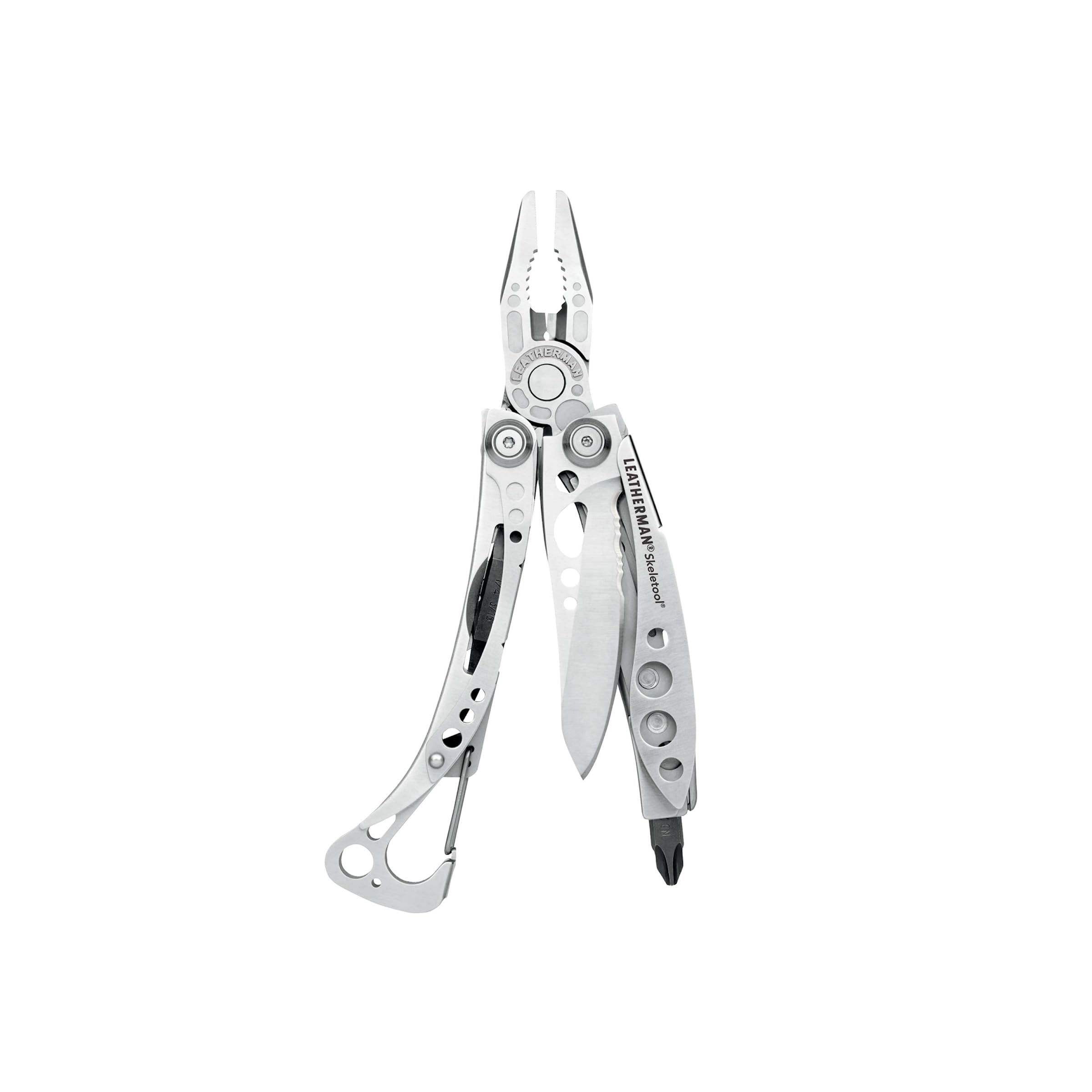
Why the factory sheath causes the bulge, not the tool
The Wave Plus closed is 4 inches long, 1.5 inches wide, and roughly 0.6 inches thick. That is genuinely slim. The MOLLE-compatible nylon sheath Leatherman ships with the tool, however, adds another half inch of padded webbing on every face, plus a belt loop that sits proud of the belt line by another inch. Wear the factory sheath horizontally on a belt under a chef coat and you have a brick-shaped lump roughly 5.5 inches by 2.5 inches by 1.25 inches printing through your waistband. That is what cooks complain about when they say a Wave Plus “does not work” in whites.
The fix is almost always sheath-first, placement-second. Once you accept that the factory pouch is a workshop carrier and not a kitchen carrier, the rest of the problem solves itself.
Three placement strategies that survive a real service
Every chef I have asked about this lands on one of three carry positions. Each has trade-offs around access speed, hygiene exposure, and how much it weighs down the supporting fabric.
1. Horizontal apron loop carry (best for line cooks)
Run a 1.5-inch leather or webbing loop through the waist tie of your bistro apron, sized so a slim sheath slides through snugly. The tool now rides against the front of the apron, slightly off-center toward your dominant hand, and it hangs from the apron string rather than your waistband. The chef coat falls cleanly over the top because the bulk is in front of the apron knot, not against your hip bone.
Access is fast—hand drops six inches and you have the tool out. The downside is that the tool swings if your apron knot loosens, so re-tie at the start of every service. This is also the carry position most exposed to splash, so a leather slip with a flap is worth the small access penalty.
2. Vertical inside-pocket carry with slim sheath
Slip a low-profile vertical sheath inside your trouser pocket so only the pocket clip or lanyard loop pokes above the seam. The tool now sits along the long axis of your thigh instead of across your hip. Because chef trousers (especially the loose pull-on cotton style) drape away from the leg, a vertical 4-inch object barely shows even when you crouch to grab a sheet tray from the bottom rack.
This is the cleanest-looking option under whites and it keeps the tool well away from the apron and any food contact zones. The trade-off is access—you have to reach under the apron skirt to retrieve it, so this carry rewards pre-shift prep cuts and mise en place over mid-rush tweaks.
3. Side-towel loop carry
Thread a thin sheath onto the same loop you use to tuck your service towel. The tool hangs at the side seam of the apron, balanced by the towel on the opposite hip. Visually this is nearly invisible because the towel dominates the silhouette. Access is mid-speed—faster than pocket, slower than front-apron.
Use this if you already work towel-on-hip and want minimal disruption. Avoid it if your station does a lot of plate finishing where you bend over plates, because a 4-inch tool dangling at hip level can knock against the pass edge.
Sheath and pouch upgrades that actually fit chef wear
You have three realistic categories of replacement sheath, each thinner than the factory pouch by a meaningful margin.
| Sheath type | Thickness added | Cleanability | Best for |
|---|---|---|---|
| Slim leather slip | ~2mm per face | Wipe-down only; do not soak | Apron and pocket carry, dry stations |
| Kydex low-profile | ~3mm per face | Excellent, dishwasher-safe | Wet stations, fish, garde-manger |
| Waxed canvas slip | ~2mm per face | Hand wash, air dry | Pastry, dry prep, lightweight feel |
| Factory nylon (reference) | ~12mm per face | Hand wash, slow dry | Workshop, not kitchen |
Slim leather slip sheaths
A vegetable-tanned leather slip in the size of the Wave Plus closed is the lowest-profile option that still protects the tool against pocket lint and apron grit. Leather darkens with use, which actually helps hide stains. The major caveat is that leather should not be soaked, so if your station gets routinely splashed (fish butcher, dish-adjacent prep) a leather slip will need replacement every six to eight months.
Kydex low-profile sheaths
Kydex is a thermoformed plastic that hugs the tool with friction retention. The shells are 1.5 to 2mm thick, which puts the overall package right at half an inch—thinner than the tool plus the leather option. Kydex is also the only sheath material you can run through a commercial dishwasher without damage. If you work hot line or any wet station, this is the right answer despite the slight upfront cost.
Waxed canvas slips
Waxed canvas is a lighter, softer alternative to leather. It conforms quickly, it resists water better than untreated cotton, and it adds essentially no rigidity, which makes it the most invisible option under a chef coat. The downside is durability—canvas slips wear at the mouth within a year of heavy use.
What to actually carry: do you need everything on the Wave Plus?
The Wave Plus has 18 tools. In a kitchen you realistically use four: pliers, scissors, the bottle opener, and one of the two knife blades. The serrated blade is the more useful kitchen edge because it handles taped cardboard cases and zip ties without dulling against grit. The saw, file, and ruler are dead weight in whites—but they are also internal to the closed tool, so removing them would mean swapping platforms entirely. The question is whether the tool's job in your kitchen justifies its full footprint.
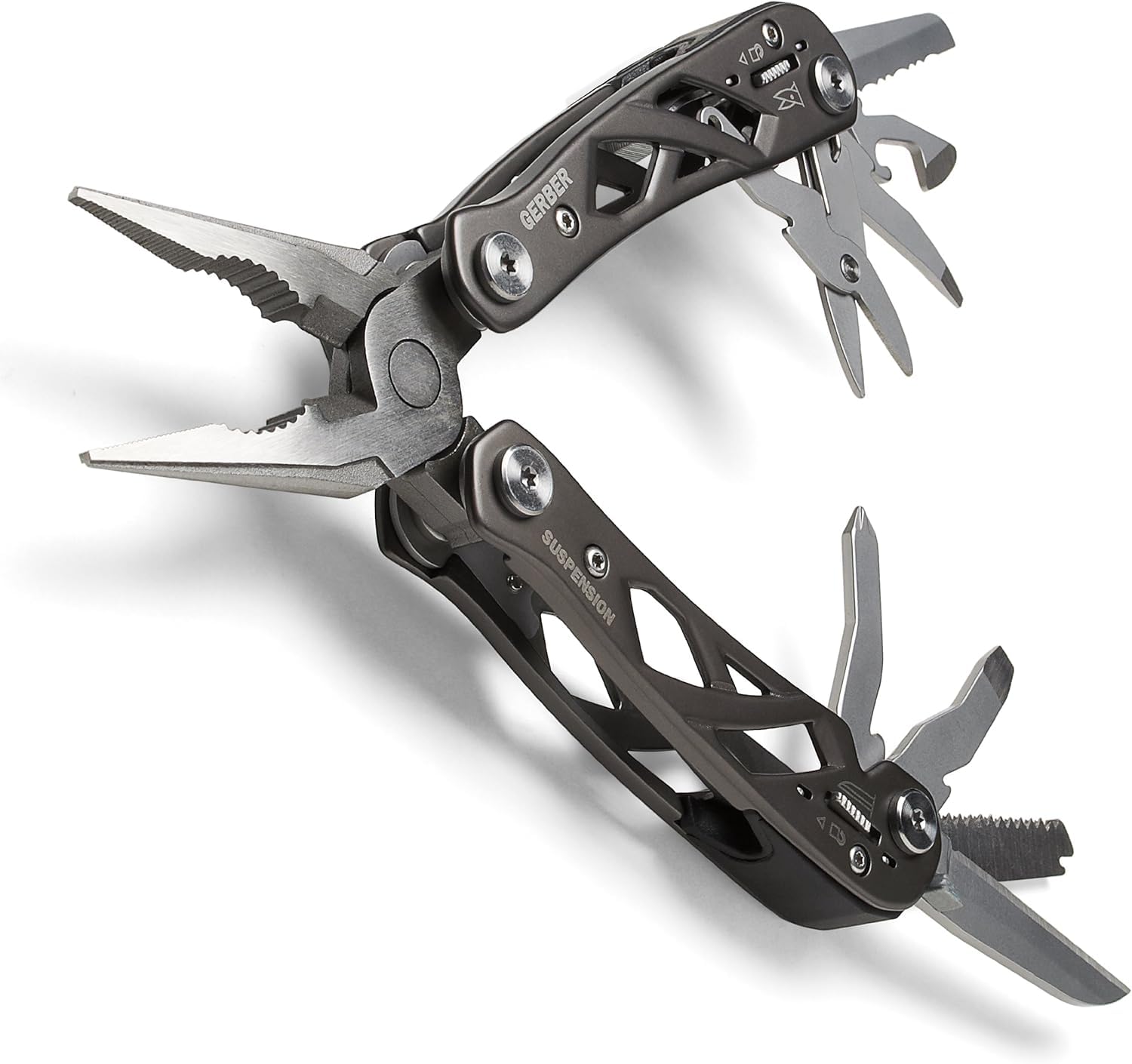
If you only need scissors and pliers, a compact multitool will live in a chef pocket with zero compromise. If you specifically want the Wave Plus's full-size blades and external-access scissors, accept the 8.5 ounces and optimize the carry. Our full Leatherman Wave Plus review covers which of the 18 tools earn their keep across different use cases, and the Wave Plus vs Victorinox SwissTool comparison is worth a look if you have not committed to the platform yet—the SwissTool is heavier but has a cleaner closed silhouette that some chefs prefer.
Hygiene and food safety considerations
A multitool carried in a kitchen is not a food-contact surface—and you should keep it that way. Two rules cover almost everything:
Never open the pliers near exposed product. The pivot picks up oils and traces of whatever the tool last touched (rope, packaging adhesive, your trouser dye), and those traces are nearly impossible to fully wash out of a hinge. Pliers come out for back-of-house tasks: opening sealed bags upstream of plating, fixing a wobbly trolley wheel, pulling a stuck broiler grate.
The scissors are the food-safe surface, if anything is. They are flat, they wash completely under running water, and you can dry them with a paper towel before each use. Even so, use dedicated kitchen shears for any task that touches raw protein. The Wave Plus scissors are for packaging, twine, and the rare emergency.
For broader rules around using a multitool in a food environment, our guide to safely using multitools day to day covers the cross-contamination questions in more detail.
End-of-service cleaning routine
A two-minute routine at the end of every shift keeps the Wave Plus from becoming a hygiene liability. Open every tool, rinse the pivot points under warm running water, brush the joints with a clean toothbrush, dry with a lint-free towel, and apply a single drop of food-grade mineral oil to each pivot. Mineral oil matters here because standard tool oils are not approved for food-contact environments—mineral oil is the same product you would use on a butcher block or a chef knife handle.
Wipe the sheath separately. Leather gets a dry brush and an occasional conditioning wipe. Kydex gets a soapy rinse and air dry. Canvas goes in the hand-wash bin at the end of the week.
What about clip-on flashlights with the tool?
Most chefs who carry a Wave Plus also carry a small light for walk-in inspections and dry storage checks. The combined silhouette is what blows out the “no bulge” goal. The fix is to split the carry: tool on the apron, light clipped vertically inside a trouser pocket. A penlight-format rechargeable or a 14500-cell pocket light is the right size class. Our roundup of the best everyday carry flashlights for 2026 includes several models that disappear in chef trousers.
Frequently Asked Questions
Can a Leatherman Wave Plus fit in a chef coat breast pocket?
Technically yes—the tool's 4-inch closed length matches most breast pocket depths—but the 8.5-ounce weight drags the pocket forward visibly and the tool prints through the single layer of cotton when you lean over a cutting board. Breast-pocket carry only works for short stints or for pastry chefs who do less bending. For full service, move it to the apron or trouser pocket.
What size apron loop should I sew for a Wave Plus sheath?
For a leather or Kydex slim sheath, a 1.75-inch by 1-inch interior opening clears the sheath with friction retention. Sew the loop to the inside band of the apron rather than the outside—hidden stitching looks cleaner and the loop is less likely to catch on a passing colleague's apron tie.
Is the Wave Plus too heavy for a chef apron string to support?
Not on its own. A doubled bistro apron string handles 8.5 ounces without sagging. What does cause sag is adding the tool to an apron string that already has keys, a thermometer, and a pen clipped on. If you carry multiple items, distribute them across two ties or move the tool to a trouser pocket.
Will the Wave Plus rust if I work a wet station?
The Wave Plus uses 420HC stainless steel, which resists rust well but is not immune. Exposure to brine, citric acid, and prolonged moisture will eventually pit the blade and dull the scissors. If your station runs wet—fish butcher, oyster bar, dish-adjacent prep—rinse and dry the tool every shift and oil the pivots weekly rather than monthly.
Can I use the Wave Plus's knife blade for kitchen prep in a pinch?
No, and not because of edge geometry—because of hinge hygiene. The folding pivot is impossible to fully clean between services, so any blade you fold against your hand should not touch raw protein or anything destined for the plate. Use a station knife for prep and reserve the Wave Plus blade for packaging, twine, and back-of-house repairs.
Should I leave my Wave Plus at the station or carry it home?
Carry it home. A multitool left in a chef's jacket pocket overnight sits in residual moisture and accelerates pivot corrosion. Carrying it home also means it gets cleaned and oiled in a non-rushed environment. Our guide to using a multitool for everyday tasks covers the off-shift uses that make the tool earn its keep beyond the kitchen.
What is the lowest-profile carry if I work in pressed double-breasted whites?
Double-breasted whites trap any bulk against the body, so the apron carry is the only realistic option—the chef coat lies over the apron, so the apron absorbs the silhouette. A slim Kydex sheath on a front-of-apron loop, tool oriented horizontally, knot tied tight: that combination is essentially invisible under a pressed double-breasted coat as long as you skip the breast-pocket pen and stick to a side-towel.
Key Takeaways
- Choosing the right how to carry leatherman wave plus in chef whites means matching capacity and output ports to your actual devices
- Always check actual watt-hours (Wh), not just watts — runtime depends on Wh, not peak output
- Also covers: leatherman wave plus chef pocket carry
- Also covers: executive chef edc multitool carry
- Also covers: kitchen whites multitool pocket clip
- Compare price-per-Wh across models to find the best value for your budget