The leatherman wave plus for backcountry elk hunters field dressing is one of the most defensible multitool choices you can make when you're staring down a 700-pound bull on a north-facing slope at 10,000 feet. You need a tool that can split a brisket cartilage, separate a ball joint, repair a frame pack buckle, and pull a porcupine quill out of your dog's muzzle without forcing you to carry four separate implements. The Wave Plus does all of that with a 420HC blade, a wood/bone saw, replaceable wire cutters, and pliers stout enough to crimp a fence wire or pull a stuck arrow. Below we break down why it works for a quartering job in the high country, how it stacks against alternatives, and what trade-offs you accept when you choose it over a dedicated hunting knife setup.
Why a Multitool Belongs in Your Elk Pack
Backcountry elk hunting punishes weight and rewards versatility. Every ounce in your pack is an ounce you have to haul up a drainage at altitude, and every redundant tool is a tool you cursed yourself for bringing when the meat was steaming and the light was failing. A purpose-built fixed-blade like a Benchmade Steep Country or Havalon Piranta will out-cut a folding multitool blade in pure boning work — that's not in dispute. What a multitool gives you is everything else: pliers for a bent tent stake, scissors for cutting moleskin or paracord, a saw for opening the pelvis or removing a small branch on your shooting lane, a flathead for tightening a loose riflescope ring, and a file for touching up a damaged broadhead.
When shopping for leatherman wave plus for backcountry elk hunters field dressing, it pays to compare specs, capacity, and real-world runtime before committing.
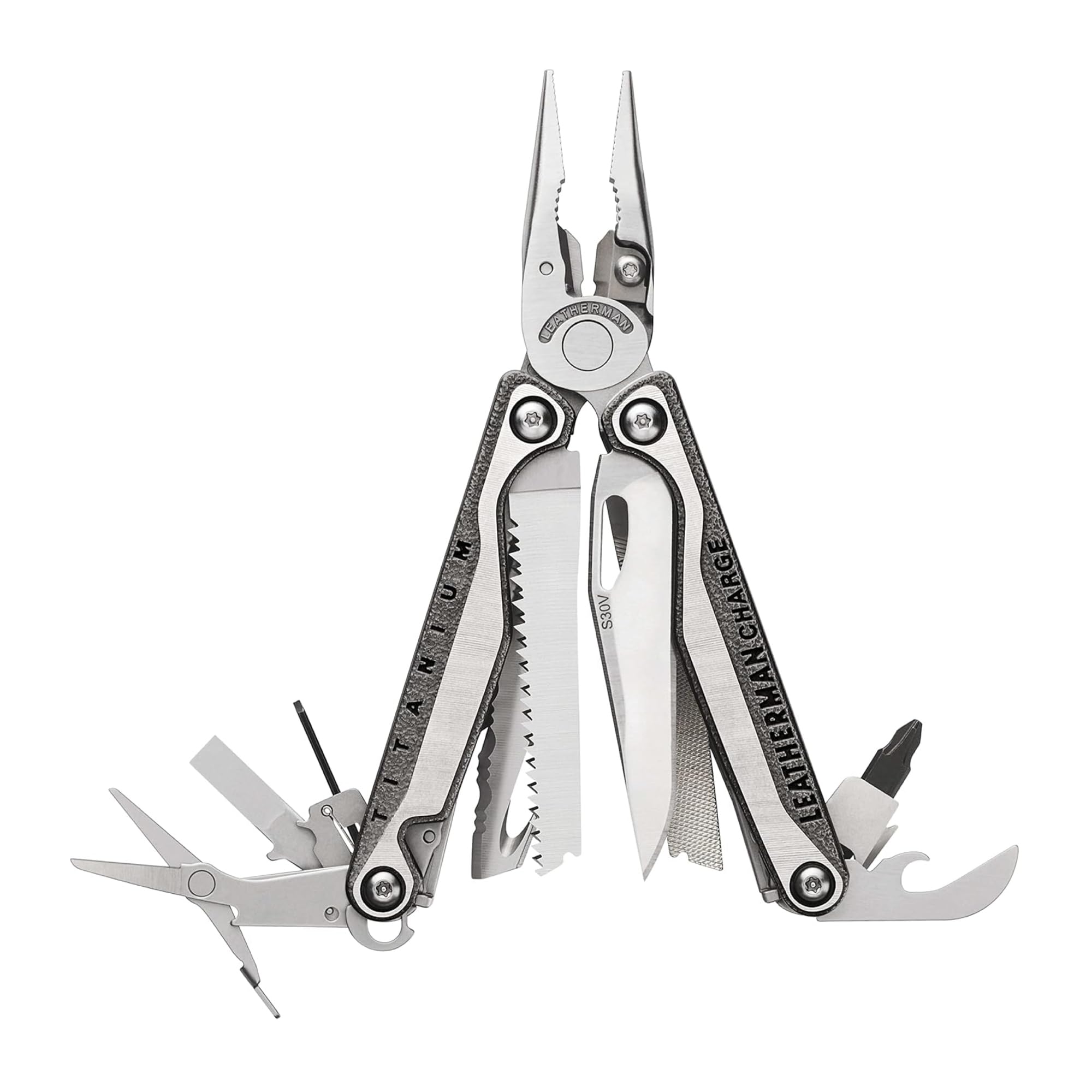
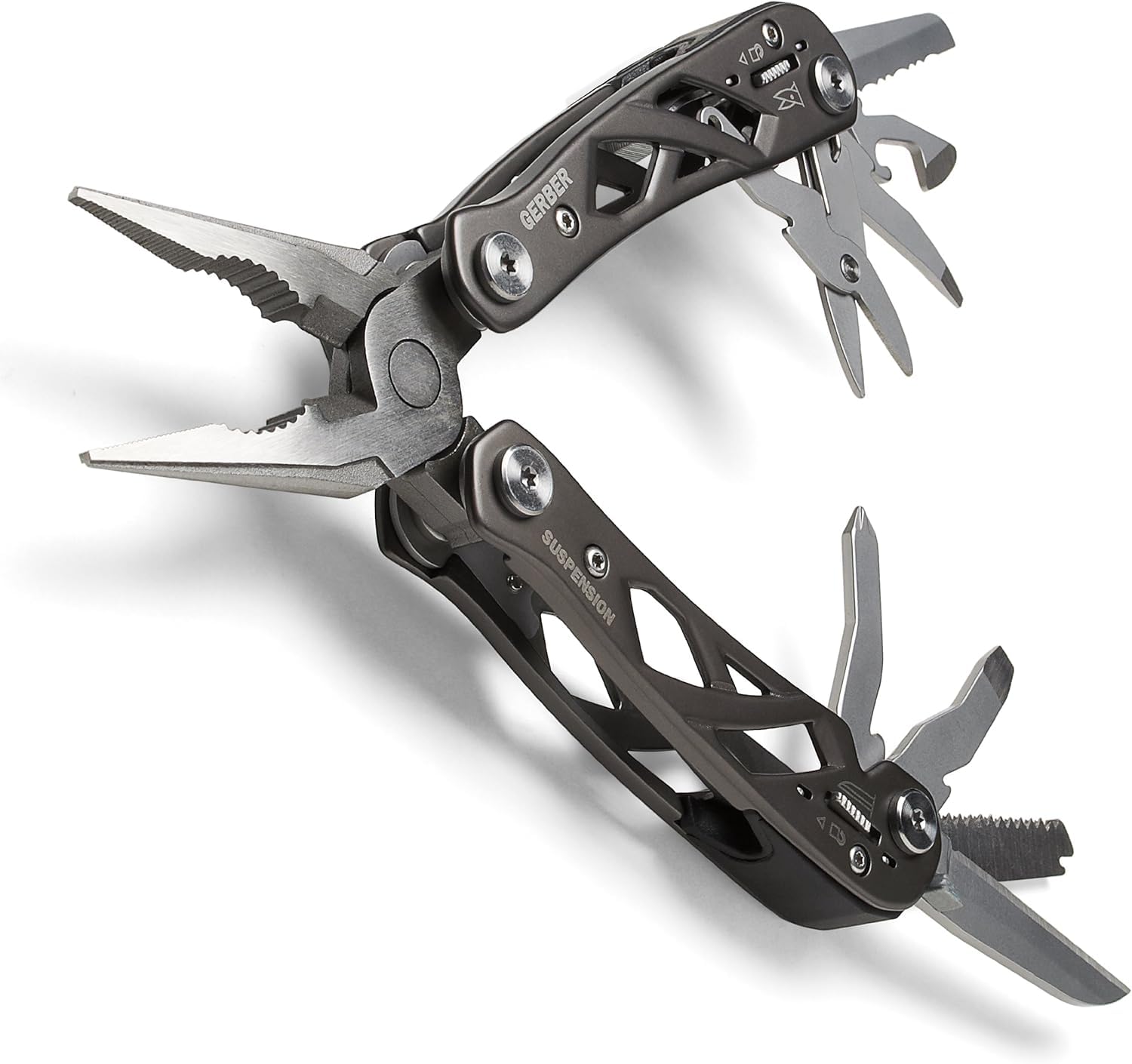
For a solo hunter packing out a bull over two or three trips, that versatility compounds. The leatherman wave plus for backcountry elk hunters field dressing earns its 8.5 ounces by replacing items you would otherwise pack separately — a small pliers, a folding saw blade, scissors, and a screwdriver kit. If you already carry a 2.5-ounce caping knife, the Wave Plus turns into a full field-kit supplement rather than a primary cutting tool, and that's where it shines.
What the Wave Plus Brings to a Quartering Job
The Wave Plus updates the original Wave with replaceable premium wire cutters and a refined tool layout. For elk work specifically, these are the implements that earn their keep:
- 420HC straight blade (2.9 inches): Long enough to skin around a ham, short enough to control inside the ribcage. 420HC takes a screaming edge and is easy to touch up on a diamond rod at camp.
- Serrated blade: Goes through rope, webbing, and frozen hide where a plain edge would skate.
- Wood/bone saw: This is the sleeper feature for elk. The aggressive tooth pattern opens a pelvis fast and lets you split the brisket without a hatchet.
- Needle-nose pliers: Pull broken arrow nocks out of a quiver, crimp a leaky fuel canister fitting, or extract a hook from a pack dog's paw.
- Replaceable wire cutters: Cut barbed wire on access routes, snip a damaged bowstring serving, or clip a wind-tab off your release.
- Scissors: The most underrated tool — for cutting medical tape, food packaging, or trimming a freshly skinned cape edge.
- One-handed opening: Critical when one hand is bloody or holding a quarter steady.
The locking mechanism on the outside blades is what makes the Wave Plus actually usable for field dressing. A folding tool that can fold on your knuckles during a hard skinning stroke is a trip-ending injury at 9 miles in. The Wave Plus locks every implement, including the saw, which matters when you're sawing through a sternum.
Comparison: Wave Plus vs Common Alternatives
Most backcountry hunters who land on the Wave Plus considered one or two other tools first. Here's how it compares to the realistic alternatives in weight, blade options, and field-dressing relevance.
| Tool | Weight | Blade Steel | Saw Included | Best For |
|---|---|---|---|---|
| Leatherman Wave Plus | 8.5 oz | 420HC | Yes (wood/bone) | All-around backcountry kit |
| Leatherman Surge | 12.5 oz | 420HC | Yes, larger | Heavy field/camp work, basecamp |
| Leatherman Signal | 7.5 oz | 420HC | Yes | Survival-oriented, includes ferro rod |
| Victorinox SwissTool Spirit X | 7.4 oz | Stainless | Yes (wood) | Lighter, smoother action, no bone saw |
| Gerber MP600 | 9.0 oz | 420HC | Optional | Budget-friendly, military-style |
For pure pack weight a hunter could shave an ounce going to the SwissTool Spirit X, but the SwissTool's saw is designed for wood and is noticeably less aggressive on bone. The Signal saves a full ounce and adds a ferro rod and whistle, which appeals to the survival-minded, but its pliers are smaller and its scissors are missing. The Surge is overkill unless you're at a base camp or guiding from a wall tent. The Wave Plus sits in the sweet spot for a solo or two-person backcountry elk trip.
Top Pick: Leatherman Wave Plus
If you can only carry one multitool into elk country, this is the one. The blade locks open, the saw is bone-capable, and Leatherman's 25-year warranty means a broken wire cutter or chipped blade gets replaced for the cost of postage. Get the black-oxide version if you don't want glare from a glassed-up tool spooking distant elk, or the bare stainless if you live in wet country and value corrosion resistance. Check current price on Amazon.
Field Use: A Realistic Walk-Through
Picture the scene: it's late October, you've arrowed a 6x6 bull in a north-facing dark timber pocket two and a half miles from the trailhead, and you have maybe 90 minutes of usable light. Here's how the Wave Plus integrates into the gutless method that most western hunters use to pack out quarters.
Start with your dedicated skinning knife — a replaceable-blade Outdoor Edge or a Havalon is ideal — for the long skinning cuts down the spine and along the legs. The Wave Plus comes out when you hit joints. The plain-edge blade is short enough to articulate inside the shoulder socket cleanly, and the serrated edge handles the heavy connective tissue around the hip. When it's time to open the pelvis or pop the brisket (only if you're taking the tenderloins traditionally), the bone saw goes through quickly. The pliers come out for any gear repair — a snapped pack frame buckle, a loose scope ring, a broken arrow that needs the broadhead recovered.
A practical tip: keep the multitool clipped to the outside of your pack belt, not buried inside, so blood doesn't migrate through your dry bag. Wipe it down with snow or a quick splash of water from your bladder between tasks. At camp, disassemble enough to flush out the pivot points, dry it, and apply a drop of light oil.
Sharpening and Maintenance in the Backcountry
420HC steel dulls noticeably after fully breaking down one elk. You can extend the edge by stropping on the back of your belt or a piece of cardboard between joints, but plan to bring a small diamond rod or a Work Sharp Field Sharpener. A few passes per side restores a working edge in under a minute. For more on maintenance philosophy across both your blade and your light, see our guide to maintaining a multitool and flashlight.
Keep the saw clean — bone particles and hide grease will gum up the teeth and reduce cutting speed. A toothbrush and a splash of hot water at camp handles most of it. If you're hunting in rifle season and the temperature drops below freezing, store the tool inside your jacket overnight so the pivots don't seize up with frozen moisture.
Pairing the Wave Plus with the Right Headlamp and Flashlight
Field dressing in the dark is a real possibility on a late-afternoon shot. A headlamp is mandatory, but a high-output handheld with a tight hot spot is what helps you finish skinning under a tarp or relocate a blood trail in heavy timber. Many backcountry hunters carry both a headlamp and a compact thrower. For a deep dive into the tradeoffs see our roundup of the best tactical flashlights for everyday carry — many of the same lights that serve EDC duty pull double shifts on hunts.
If you're also building out your broader kit, our writeup on how to pack an EDC kit like a pro covers the principles of redundancy and accessibility that translate directly to a hunting pack.
Weight Strategy: Should the Wave Plus Be Your Only Cutter?
No. For a hunter committed to going as light as possible, the Wave Plus blade is a backup, not a primary. The realistic loadout for a solo backcountry elk hunter is:
- One replaceable-blade skinner (Havalon Piranta Edge or Outdoor Edge RazorVX): 2.5 oz with extra blades
- One Leatherman Wave Plus: 8.5 oz
- One small headlamp + one high-output handheld: ~6-8 oz combined
Total cutting and lighting weight: under a pound and a half. That's defensible even for a fly-in Alaska moose hunt, let alone a Colorado OTC elk trip. If you're solo and the bull goes down late, you'll appreciate every redundancy.
Durability Notes from Multi-Season Use
Wave Pluses that have been through five-plus elk seasons typically show these wear points: a slightly dulled bone saw (replaceable), a chipped serrated edge if it's been used on bone (avoid this), and minor pivot looseness that a single screwdriver adjustment fixes. The replaceable wire cutters have outlived multiple owners — most hunters never replace them. The 25-year warranty is the real safety net. Leatherman has a documented record of replacing tools with no questions when a part fails in legitimate field use.
Frequently Asked Questions
Is the Leatherman Wave Plus blade big enough to field dress an elk by itself?
Technically yes, practically no. The 2.9-inch blade will get the job done, but you'll fatigue your hand and dull the edge before you finish the second quarter. Pair it with a dedicated skinner. The Wave Plus excels at joints, repairs, and the saw work — not as a primary skinning knife.
How does the Wave Plus saw compare to a dedicated bone saw for splitting an elk pelvis?
The Wave Plus saw is shorter (about 2.6 inches) than a dedicated bone saw like a Gerber Vital Saw, so it takes more strokes. But it works. For a hunter doing the gutless method most of the time, you rarely split a pelvis anyway. If you take whole hams or quarters with the pelvis attached, consider adding a 4-ounce dedicated saw.
Will the 420HC blade hold an edge through a full bull?
Through a full bull using gutless method and Wave Plus only on joints — yes, with one mid-session strop. Through a full bull doing all the skinning with the Wave Plus — no, plan to touch it up at least twice. A diamond rod weighs nothing and solves this entirely.
Should I get the Wave Plus or the Leatherman Signal for elk hunting?
Get the Wave Plus if you value pliers, scissors, and a slightly larger blade. Get the Signal if you want a built-in ferro rod, whistle, and slightly lighter weight. Most experienced backcountry hunters land on the Wave Plus because the scissors and full-size pliers are more useful day-to-day than a redundant fire starter.
Can the Wave Plus pliers pull a stuck arrow from an elk hide?
Yes — this is one of the underrated uses. The needle-nose tips grip an arrow shaft firmly enough to twist and pull without crushing carbon. Don't try to pull a broadhead straight back through hide; push it through if the angle allows, or cut hide away around it.
Is the Wave Plus too heavy for an ultralight elk hunting kit?
At 8.5 ounces it's not ultralight, but it replaces 6-8 ounces of separate tools. If you genuinely don't need pliers or a saw, the SwissTool Spirit X or a small SAK saves a couple ounces. For most hunters, the Wave Plus is the better all-around value.
How do I clean the Wave Plus after a bloody field-dressing session?
Open every tool, rinse with hot water (or warm creek water in the field), use a stiff brush on the saw teeth and pliers jaws, dry thoroughly, and oil the pivots with a light machine oil. Do this within 24 hours to prevent rust where blood salts have settled into the pivots. Avoid dishwashers — they ruin the spring tension over time.
Key Takeaways
- Choosing the right leatherman wave plus for backcountry elk hunters field dressing means matching capacity and output ports to your actual devices
- Always check actual watt-hours (Wh), not just watts — runtime depends on Wh, not peak output
- Also covers: leatherman wave plus elk field dressing
- Also covers: best multitool for backcountry elk hunting
- Also covers: wave plus for hunters gutting elk
- Compare price-per-Wh across models to find the best value for your budget