When sailors search for the leatherman wave plus for sailboat rigging repair, they want a single belt-mounted tool that handles cotter pins, shackle pins, and wire inspection on a wet foredeck without rusting solid by Tuesday. The Wave Plus delivers because it pairs full-size pliers, replaceable 154CM wire cutters, and locking 420HC blades in a 17-tool stainless body that survives marine abuse — provided you rinse it in fresh water and oil the pivots after every sail. This guide explains what the Wave Plus does well at sea, where it falls short, and how to keep it alive in salt for the long haul.
Why the Wave Plus suits marine rigging work
Sailboat rigging is a fastener-heavy environment. Standing rigging holds together with clevis pins, cotter pins, swaged terminals, and turnbuckles. Running rigging lives on shackles, pad eyes, and the occasional Nicopress sleeve. None of these are exotic, but they share one trait: they always need attention at the worst moment, usually in spray with one hand on a stanchion. The Wave Plus matches that environment because every tool you actually need is on one belt-mounted handle.
The best leatherman wave plus for sailboat rigging repair for your situation depends on how you plan to use it and where.
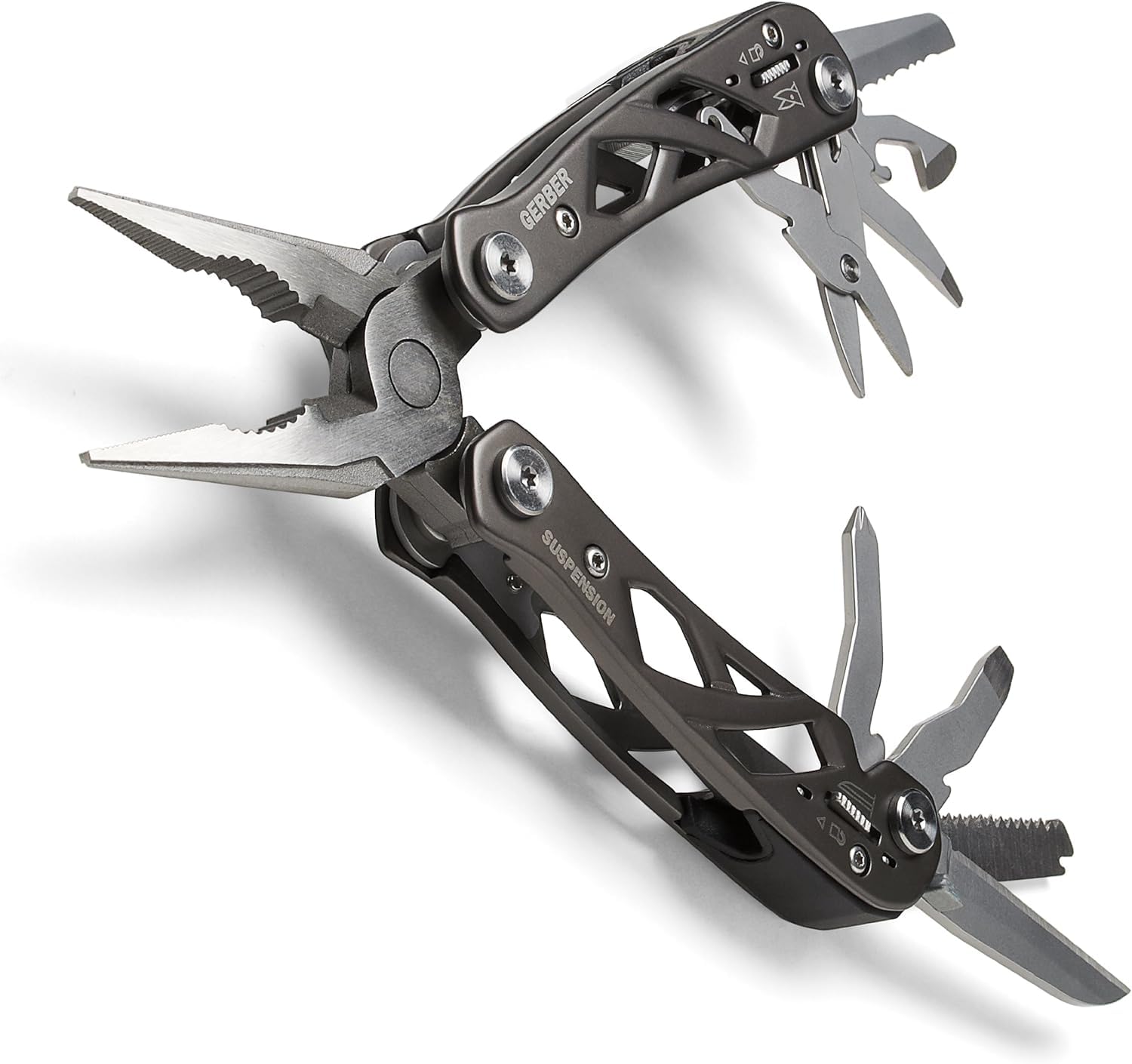
The pliers are full-size, spring-loaded, and have a needle-nose section narrow enough to pull a bent cotter pin out of a 5/16-inch clevis. Behind the jaws sit the replaceable wire cutters — the most important spec for a sailor, because rigging wire (1x19 stainless, typically 5/32 to 1/4 inch on cruising boats) eats cheap cutters in one job. The 154CM hardened inserts on the Wave Plus chew through soft seizing wire, cotter pin tails, and split rings without nicking the jaws. When they finally do dull after a few seasons, you replace the inserts with a Torx driver instead of throwing out the whole tool.

Two locking blades open from the outside of the handle without unfolding the whole tool — one plain edge for cutting whippings and tape, one serrated for line under load. The serrated edge in particular matters in a panic: cutting a jammed sheet or a dragging crab pot warp with a folded pocketknife is a recipe for losing fingers. The Wave Plus blade locks open before you start sawing.
The driver bits matter too. The Wave Plus accepts standard double-ended bits, and Leatherman sells an extended bit kit that lets you carry Phillips, flathead, Torx, and hex sizes in a pouch. For a sailor, that means turnbuckle locking screws, deck hardware fasteners, electronics housings, and the inevitable winch service all use the same handle.
Rigging tasks the Wave Plus handles well
Here is what the Wave Plus actually does on a 30 to 45 foot cruising sailboat between hauls:
- Pulling and bending cotter pins. Needle-nose grips the tail, the pliers' main jaws bend the new pin around the clevis. This is the daily task on any rig with split-pinned turnbuckles.
- Cutting seizing wire and monel safety wire. The replaceable cutters handle 0.025-inch monel without complaint.
- Trimming chafed line ends and tape. Plain blade for clean cuts, serrated for jacketed double-braid that resists slicing.
- Opening seized shackles. Pliers gain torque on a frozen pin where fingers slip on a wet shackle.
- Stripping electrical insulation for crimps. The Wave Plus has dedicated wire strippers behind the pliers — essential for navigation light repairs at the masthead.
- Removing through-deck hardware screws. Driver bits handle most cabin-top and stanchion-base fasteners.
The tool's 8.5-ounce weight feels significant on the belt, but on the foredeck that weight is reassurance — you can feel it through a sailing glove without looking down.
Where the Wave Plus falls short on a sailboat
Be honest about limits before you buy. The Wave Plus is not a rigger's knife. A dedicated sheepsfoot rigging knife with a marlinspike (think Myerchin or Boye) opens one-handed with a thumb stud and gives you a proper fid for splicing — the Wave Plus does neither. If you splice double-braid regularly or want a knife that opens while you're hanging off a halyard, carry both.
The 154CM wire cutter inserts will not cut 1x19 standing rigging wire larger than about 1/8 inch. For dismasting emergencies on a boat with 3/16 or 1/4 inch shrouds, you need a dedicated cable cutter or a hydraulic crimper-cutter stored at the chart table. The Wave Plus is rigging maintenance, not rigging removal.
The 420HC blade steel rusts. It is stainless, but "stainless" in marine context means "stains less" — leave it wet and salty in a closed sheath and you will find brown freckles within a week. We cover the fix below.
Finally, the Wave Plus does not float. Tether it to a belt loop with paracord if you work on the foredeck. We have a broader discussion of multitool carry in our piece on how to safely use multitools for everyday tasks.
The salt-spray maintenance routine that keeps it alive
The single biggest determinant of whether your Wave Plus lasts five seasons or five months is your post-sail routine. Salt crystallizes inside the pivots, draws moisture, and turns the spring-loaded pliers into a corroded brick. Here is the routine that works:
Daily, after any wet sail: Rinse the whole tool under fresh water with all the implements open. Work the pliers and every blade through a full range of motion under the tap. Shake it out, then leave it open on a towel until dry. This step alone eliminates 80 percent of the corrosion problems sailors complain about.
Weekly, or after a hard offshore passage: Apply a drop of marine-grade light oil (Corrosion-X, Boeshield T-9, or generic 3-in-1) to every pivot. Work it in by opening and closing each tool ten times. Wipe excess off the blade edges so they do not transfer oil to lines.
Annually, at lay-up: Disassemble the bit driver, clean any salt from the bit holder, and replace the wire cutter inserts if you notice nicks. Inspect the spring on the pliers — if it has lost tension, Leatherman warranty service will replace it.
Our deeper write-up on maintaining a multitool and flashlight covers the same routine for non-marine EDC if your tool also sees mixed use.
Carrying the Wave Plus on deck
The included nylon sheath holds the closed tool by friction and a snap. It is fine for shore use but problematic on a sailboat because the sheath retains saltwater against the steel. Two better options:
Aftermarket leather sheath with drainage. Several makers (Hitch and Timber, Skystone) sell open-bottom leather sheaths that let water run through. The leather itself absorbs spray, which sounds bad but actually slows the drying cycle so the tool does not corrode from rapid wet-dry transitions.
Pocket clip mode. The Wave Plus does not ship with a pocket clip, but a removable clip ($15 from Leatherman) lets you carry it in a foulie pocket without a sheath. Pair with a paracord lanyard tied to a belt loop. This is the better setup for racing crews who change layers frequently.
For a deeper comparison of the Wave Plus against other Leatherman and Victorinox marine candidates, see our Leatherman Wave Plus vs Victorinox SwissTool comparison.
Pairing the Wave Plus with the right flashlight
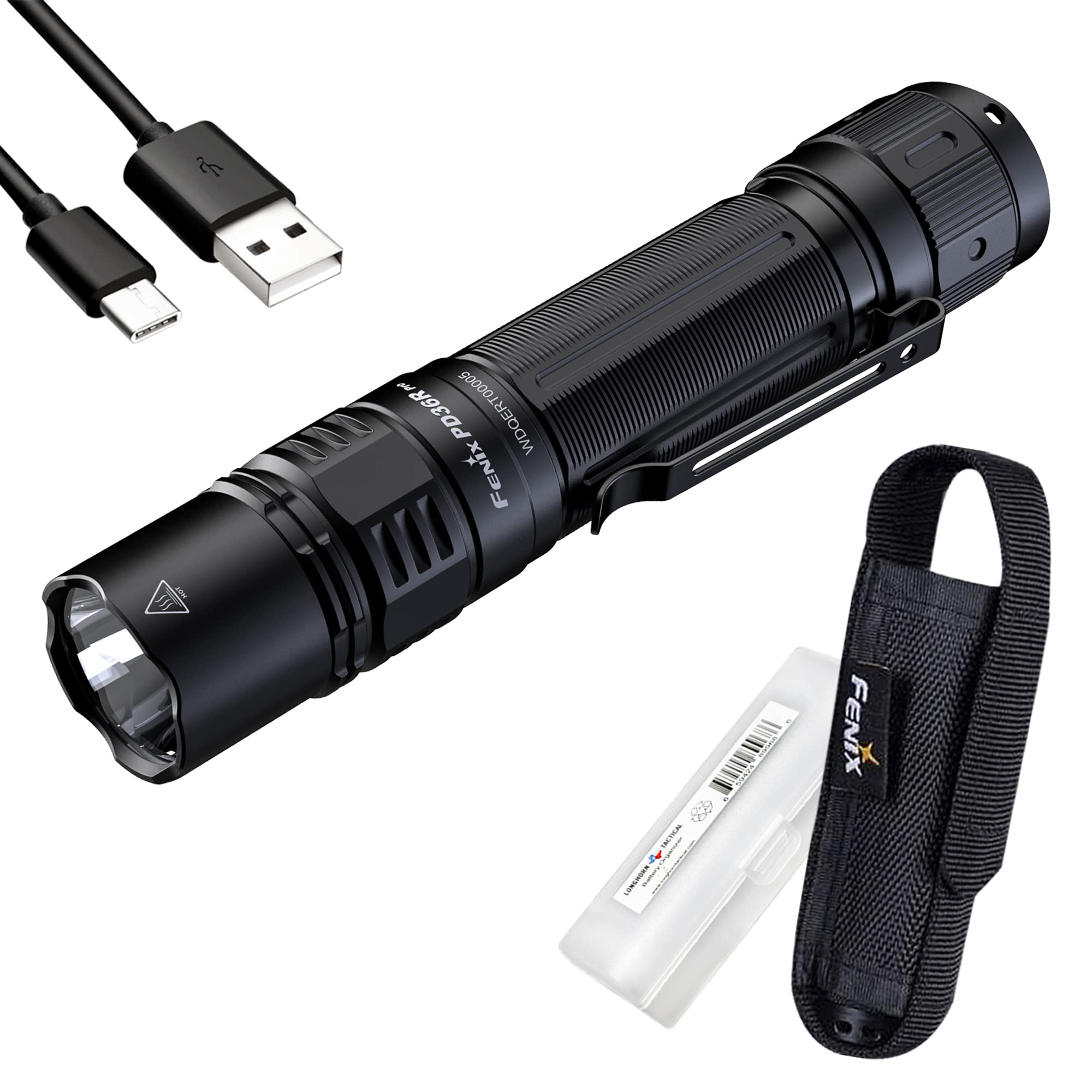
Rigging problems do not respect daylight. A halyard wrap discovered at 0200 in the cockpit requires a flashlight that survives the same salt environment. Look for IPX8 rated bodies, magnetic tail caps that stick to the binnacle compass mount or stainless deck hardware, and red secondary modes that preserve night vision when you go forward. We discuss the specific tradeoffs in our guide to choosing the best everyday carry flashlight, which carries over cleanly to marine use.
Buying considerations for 2026
Leatherman still manufactures the Wave Plus in Portland, Oregon, and the 25-year warranty remains the best in the multitool category for a tool that will see this much abuse. The warranty covers manufacturing defects, broken springs, and stripped pivots — it does not cover lost tools, so tether yours. As of 2026, the standard Wave Plus retails between $99 and $119 depending on finish (the stainless version corrodes slightly less than the black-oxide coated version, which scratches and exposes bare steel at scratch points).
If you are buying for liveaboard use specifically and want a single tool to take ashore and back, the Wave Plus is the answer. If you are buying as a tender bag tool that only sees the boat, the larger Surge gives you longer-handled pliers and thicker blades at the cost of an extra ounce and a larger sheath. For most cruising sailors, the Wave Plus hits the right balance.
Frequently Asked Questions
Will the Leatherman Wave Plus cut 1/8-inch standing rigging wire in an emergency?
The replaceable 154CM cutters will handle 1/8-inch 1x19 stainless wire with significant effort and likely some jaw deformation. They will not cut 5/32-inch or larger reliably. For genuine dismasting preparation, carry a dedicated cable cutter or hacksaw with bi-metal blades at the chart table. The Wave Plus is your maintenance tool, not your emergency cutter.
How often do I need to replace the wire cutter inserts on a saltwater boat?
Most cruisers get two to three full seasons out of the original inserts before notice nicks or rolled edges. Aggressive use on hard wire (stainless seizing wire, cotter pins) shortens that to one season. The replacement set ships with a Torx bit and takes under five minutes to install on a workbench.
Is the Leatherman Wave Plus better than a Gerber multitool for marine use?
For the specific marine corrosion environment, yes — Leatherman's pivot tolerances are tighter and the 154CM cutter inserts outlast Gerber's standard cutters by a wide margin. Gerber tools are competitive on land EDC but show more rust streaking after a single salt-water exposure cycle. Our broader Wave Plus breakdown in the Leatherman Wave Plus review covers the comparison in more depth.
Can I keep the Wave Plus in the cockpit instead of carrying it on my belt?
You can, but you will regret it the first time a sheet jams during a tack. A cockpit-stowed tool is a dock tool. If you are sailing, wear it on your belt or in a foulie pocket. Mount a second tool — a fixed-blade rigging knife or a Wave Plus dedicated to the boat — at the helm if you want backup.
What oil should I use on the pivots without contaminating my lines?
Boeshield T-9 sets dry after application and does not transfer to running rigging even if the tool brushes a sheet. Corrosion-X stays slightly wet but penetrates better — use it sparingly and wipe down the exterior. Avoid WD-40 as a long-term lubricant: it displaces moisture initially but evaporates within days and leaves no corrosion barrier.
Does the Leatherman Wave Plus open one-handed like a rigging knife?
The two outside-accessible blades open one-handed via a thumb groove, which is the Wave Plus's signature feature. The pliers require two hands to open. For a sailor hanging off a halyard, that one-handed blade access is the difference between cutting a wrap and dropping the tool overboard.
Should I worry about galvanic corrosion between the Wave Plus and aluminum mast hardware?
Brief contact during repair work is not a meaningful galvanic risk. Do not store the tool clipped to anodized aluminum hardware for extended periods, and never leave it wet inside a mast track. The bigger corrosion risk is the tool itself rusting from neglected rinsing.
Key Takeaways
- Choosing the right leatherman wave plus for sailboat rigging repair means matching capacity and output ports to your actual devices
- Always check actual watt-hours (Wh), not just watts — runtime depends on Wh, not peak output
- Also covers: leatherman wave plus saltwater corrosion
- Also covers: best multitool for sailboat rigging
- Also covers: wave plus offshore sailing edc
- Compare price-per-Wh across models to find the best value for your budget