For stained glass artisans who spend hours hunched over a workbench shaping lead came, the leatherman wave plus for stained glass artisans is one of the most practical pocket tools you can keep clipped to an apron. Its replaceable wire cutters slice through H-channel and U-channel came cleanly, the serrated blade scores solder lumps before reflowing, and the spring-loaded scissors trim copper foil tape without fraying. Lead came work is messy, repetitive, and oddly demanding on hand tools, and a full-size multitool tucked into a leather sheath beats running back to the bench drawer every twenty minutes. This guide walks through what to look for, why the Wave Plus earns its reputation in glass studios, and how to keep it working through years of solder spatter and flux fumes.
Why a multitool belongs in a stained glass studio
Stained glass is one of those crafts that constantly demands a different tool than the one in your hand. You score a sheet, snap it on the running pliers, grind the curve, wrap it in copper foil or fit it into lead came, flux it, solder it, then clean it. Somewhere in that workflow you also need to trim came overhang at a miter, pull stubborn horseshoe nails out of your workboard, tighten the wing nut on your soldering iron stand, and open a fresh box of flux paste. A dedicated bench shear for came is wonderful, but it lives at the bench. A multitool lives on your hip.
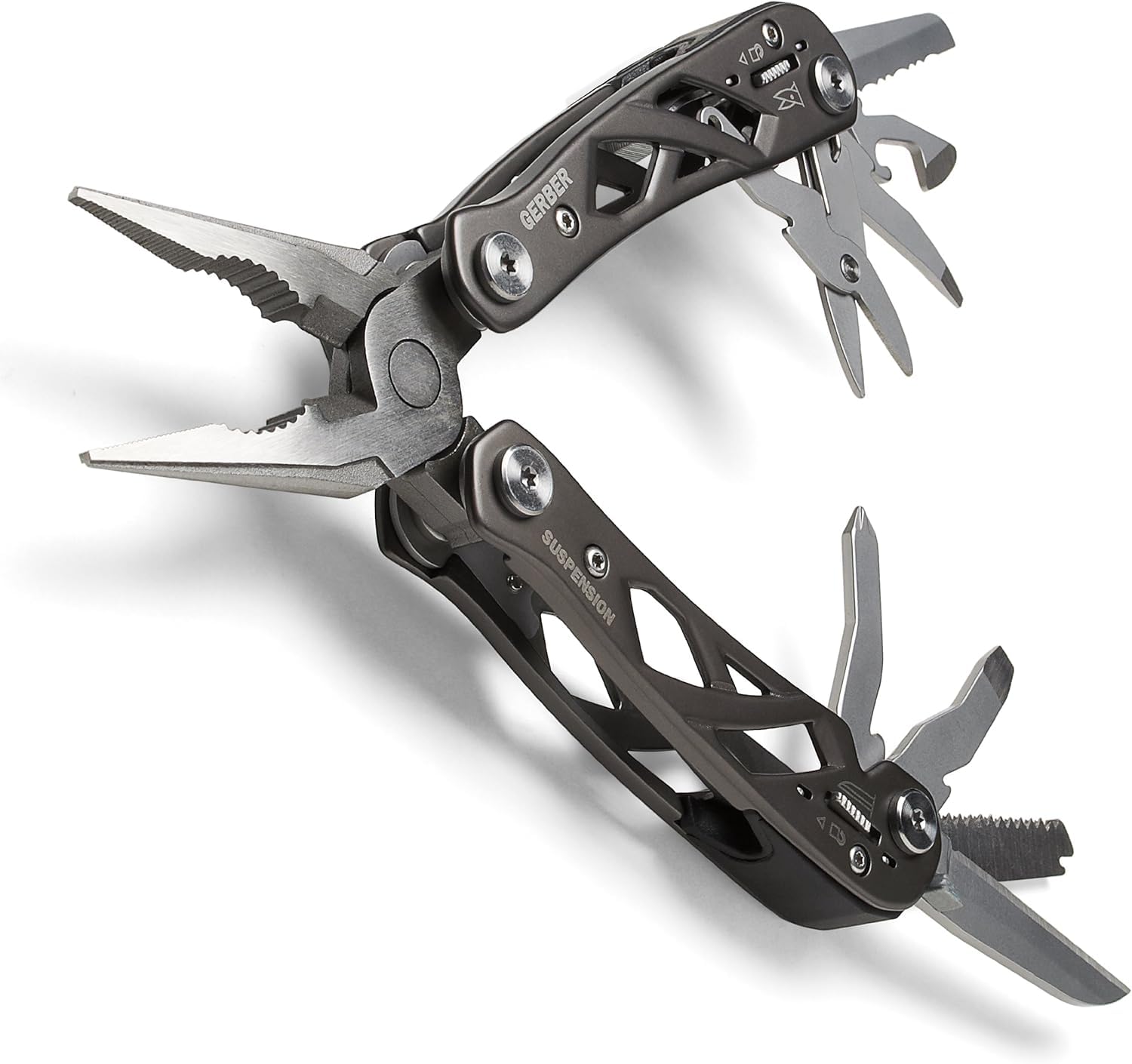
The Leatherman Wave Plus has been a studio favorite for over a decade because it bundles eight or nine of those secondary tasks into a single 8.5-ounce package. Unlike compact tools, the Wave Plus uses full-size pliers with enough leverage to crimp came corners flat, and its outside-accessible blades open one-handed while the other hand still pins glass in place. If you have ever tried to dig a slim pocket knife out of a soldering apron with flux-covered fingers, you understand why one-handed access matters.
What stained glass artisans actually need from a multitool
Before looking at any specific tool, it helps to inventory the cuts and twists a glass artisan repeats daily. Once you know the workload, the spec sheet starts making sense.
Cutting lead came cleanly
Lead came is soft, but H-channel profiles have a center web that bends and folds if your cutters are dull. You want hardened, replaceable wire cutters with a flush enough bite to slice the came without crushing the channel. The Wave Plus uses 154CM steel replaceable cutters, which is the same alloy used in many premium pocket knives and stays sharp through hundreds of came cuts.
Trimming copper foil overhang
If you work in the Tiffany foil method instead of came, you still need scissors for trimming foil tape, snipping reinforcing wire, and cleaning up patterns. Spring-loaded scissors with a fine point are far better than a blade for this; they let you trim within a millimeter of the glass edge without scratching.
Scoring and scraping
A combo blade with both a plain and serrated edge handles two studio jobs: the plain edge scrapes dried flux residue and old putty from restoration panels, while the serrated edge bites into hardened solder beads when you need to chip away an over-applied joint before reflowing.
Driving small fasteners
Solder station knobs, came bender wing screws, and Inland grinder cover screws all use small Phillips or flat heads. A multitool with both a Phillips driver and an eyeglass-style driver covers the studio fully without dragging a screwdriver kit to every workbench.
Pulling nails and staples
If you build panels on a plywood workboard with horseshoe nails or layout staples, the plier jaws of the Wave Plus pull them straight without bending the head. The needle-nose tips also reach into came channels to grip and remove stubborn solder spatter.
Why the Leatherman Wave Plus shines for came work
There is a reason the Wave Plus shows up on so many studio aprons rather than smaller tools like the Skeletool or Squirt. The combination of weight, jaw strength, and outside-accessible blades is almost custom-made for came work.
First, the pliers. Full-size needle-nose pliers with a spring-loaded action mean you can squeeze came corners closed at miters without two hands. The pliers also have a wire stripper notch that, while intended for electrical wire, doubles as a perfect U-channel guide for trimming the lead at consistent depths.
Second, the replaceable cutters. Lead came dulls cutters faster than most studio users expect because of the solder residue clinging to it. The Wave Plus lets you swap the cutter inserts with a small Torx screw instead of replacing the whole tool when they finally wear down. For a busy studio that goes through a roll of came a week, this single feature pays for the tool over its lifetime.
Third, outside-accessible blades. You can deploy the knife or saw without unfolding the pliers, which matters when one hand is still pressing a leaded panel flat. The thumb stud opens the blade one-handed with leather glove fingers, which is more useful than it sounds when you are working over a hot iron and cannot fumble.
For a deeper specification breakdown, our full Leatherman Wave Plus review walks through every implement, including the saw and file that occasionally come in handy for shaping wood frames around finished panels.
The Wave Plus implement list at a glance
The Wave Plus carries 18 tools in total. Not all are equally useful at a glass bench, but the ones that matter, matter a lot. Here is how the most relevant implements stack up against typical studio jobs.
| Implement | Studio task | Daily usefulness |
|---|---|---|
| Needle-nose pliers | Crimping came miters, pulling solder splash | High |
| Replaceable wire cutters | Trimming H and U came, snipping reinforcing wire | High |
| Spring-action scissors | Trimming copper foil overhang and pattern paper | High |
| Straight blade (420HC) | Scoring foil, scraping flux residue | Medium |
| Serrated blade | Cutting cord, biting hardened solder beads | Medium |
| Phillips screwdriver | Tightening grinder covers and iron stands | Medium |
| Small flat driver | Adjusting came benders, opening flux tins | Medium |
| Wood/metal file | Smoothing came burrs and frame edges | Low |
| Saw | Cutting wood frame stock in a pinch | Low |
Caring for the Wave Plus in a flux-heavy environment
A stained glass studio is brutal on hand tools. Flux is acidic, solder splatters everywhere, and ambient humidity from grinder water spreads rust quickly. A few studio-specific habits will keep your leatherman wave plus for stained glass artisans working smoothly for years.
Wipe the tool down with a dry cotton rag at the end of every session. If you have used the cutters on freshly fluxed came, follow up with a quick brush of isopropyl alcohol on a cotton swab between the jaws. Once a month, drop a single bead of light machine oil at each pivot, work the joints, and wipe away the excess. Stay away from heavy lubricants like white lithium grease, which trap glass dust and turn into grinding paste.
If you notice the pliers feeling stiff, it is almost always flux residue rather than corrosion. A toothbrush and warm soapy water flushes the pivots, and a complete dry under a heat gun on the lowest setting prevents flash rust. For more general guidance, our article on how to safely use multitools for everyday tasks covers cleaning and storage habits that apply equally to a craft studio.
Where the Wave Plus has limits
No multitool replaces dedicated came shears or a powered lead nibbler for high-volume work. If you are producing window-sized panels weekly, you still want a bench-mounted came cutter for the bulk work and a Wave Plus for the dozens of secondary cuts that come up between major operations. The Wave Plus is also not the right pick for very fine zinc came work, which prefers a stiffer dedicated zinc shear because the leverage requirements rise sharply.
The tool also weighs more than novice users expect. At 8.5 ounces, it is noticeable on a studio apron all day. If you find it heavy, consider clipping it to a separate bench loop near your workboard so it stays within reach without hanging on your hip. Compared with lighter alternatives in our roundup of the best lightweight multitools of 2026, the Wave Plus is firmly in the full-size category, which is the right size for came work but not for every body type.
Choosing your carry method in a studio
How you carry the tool changes how often you actually use it. Most artisans choose one of three options.
The included leather or nylon sheath threaded onto a studio apron belt loop is the most common option. It keeps the tool slightly behind your dominant hand, where a reach is natural. The downside is that aprons take spills, and a wet sheath dries slowly.
A pocket clip on the tool itself, available as an aftermarket part, lets you drop it into an apron pocket and forget about it. This works well for foil artisans who switch frequently between the tool and a pencil.
A bench-mounted magnetic holder near the soldering station turns the Wave Plus into a stationary studio tool. This is the favorite of full-time professional fabricators because it removes the weight from your body entirely and keeps the tool exactly where you reach for it.
Pairing the Wave Plus with the right studio flashlight
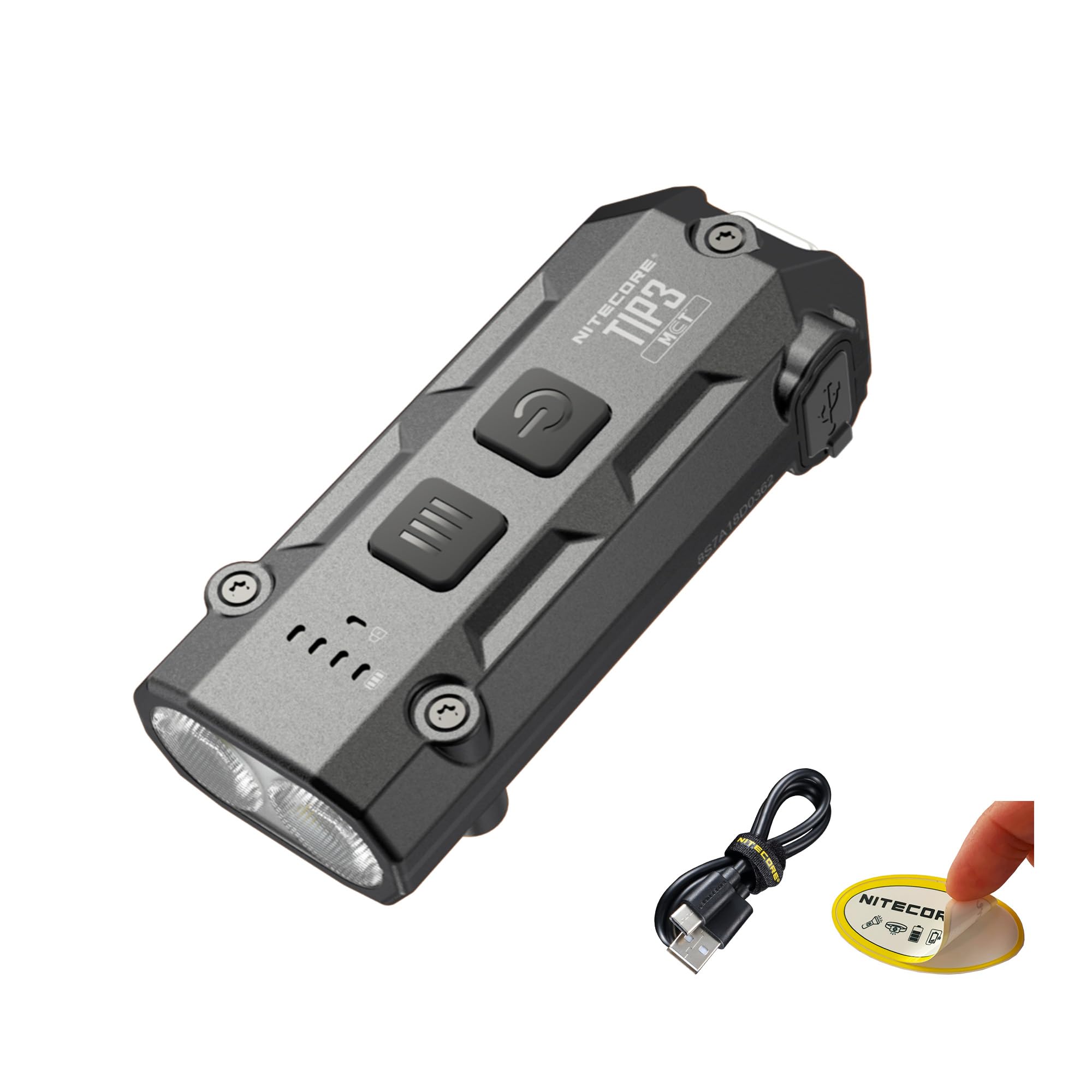
Most stained glass studios have terrible lighting. Overhead fluorescents wash out colors, and bench lamps cast shadows over the work area. A small high-CRI EDC flashlight clipped near the soldering station lets you inspect solder joints, check for unfilled foil edges, and find dropped pieces of cut glass on a dark floor. If you are building out your studio EDC kit, our guide to choosing the best EDC flashlight walks through the brightness and color rendering specs that matter most for craft work.
A note on lead safety and tool handling
Lead came is, by definition, lead. Anything that touches it can carry lead residue, including your multitool. Wash your hands after handling came, and never use the same multitool for food prep, lunch box opening, or any task involving direct hand-to-mouth contact. Wipe the tool with a dedicated rag stored with your studio supplies, not with kitchen towels. These are basic precautions that keep a beloved studio multitool from becoming a household contamination vector.
Final thoughts
The leatherman wave plus for stained glass artisans is not a niche pick; it has been a quiet standard in glass studios for years because the implement mix lines up almost perfectly with the daily came and foil workflow. Strong pliers, replaceable cutters, fast scissors, and outside-accessible blades cover the secondary cuts that interrupt every panel build. Combine it with a small high-CRI flashlight and a clean storage habit, and you have a studio EDC pair that will outlast several rolls of came and many spools of solder.
Frequently Asked Questions
Can the Leatherman Wave Plus actually cut H-channel lead came cleanly?
Yes, the replaceable 154CM cutters bite through both H and U-channel came in soft and medium hardness up to about 5/16 inch profiles. For thicker zinc came or extra-wide structural lead, a dedicated bench shear is still the better choice, but the Wave Plus handles standard came cleanly with one squeeze.
Will solder flux corrode the Wave Plus over time?
Flux residue is mildly acidic and will pit stainless steel if left on for weeks. Wipe the tool with a dry rag after each session and flush the pivots with warm soapy water once a month. With basic maintenance, the stainless body and 154CM cutters resist corrosion for years in a typical hobby studio.
Is the Wave Plus better than the original Wave for glass work?
The Wave Plus adds replaceable wire cutters and an upgraded 420HC blade, both of which matter for studio use. Lead and solder residue dulls cutters faster than typical wire, so the ability to swap inserts rather than the whole tool is a meaningful upgrade for artisans.
How does the Wave Plus compare to a Victorinox SwissTool for studio use?
Both are full-size tools with strong pliers. The Wave Plus wins on outside-accessible blades and one-handed deployment, while the SwissTool wins on overall fit and finish. For came work specifically, the replaceable cutters tip the balance toward Leatherman. Our Wave Plus vs Victorinox SwissTool comparison covers the trade-offs in detail.
What size came is too thick for the Wave Plus cutters?
The cutters are rated for medium hardness wire up to roughly 0.04 inch diameter. Most standard lead came stays well under that effective thickness because the cutters bite through soft lead rather than hardened steel. Zinc came in profiles over 1/4 inch is the realistic upper limit.
Can I use the Wave Plus scissors to cut copper foil tape?
Yes, and the spring-loaded action makes them excellent for trimming overhang. Wipe the blades occasionally with isopropyl alcohol to remove adhesive residue, which otherwise builds up and makes the scissors sticky.
Is there a smaller multitool that works for stained glass beginners?
Smaller tools like the Leatherman Skeletool can handle copper foil work but lack the leverage for came crimping. For beginners working primarily in the foil method on small suncatchers, a compact tool is fine. For anyone working with came at any volume, the Wave Plus or a similar full-size tool is the better long-term investment.
Key Takeaways
- Choosing the right leatherman wave plus for stained glass artisans means matching capacity and output ports to your actual devices
- Always check actual watt-hours (Wh), not just watts — runtime depends on Wh, not peak output
- Also covers: multitool for cutting lead came
- Also covers: stained glass studio EDC multitool
- Also covers: leatherman wave plus lead came pliers
- Compare price-per-Wh across models to find the best value for your budget