The Olight S2R Baton II NICU nurse incubator workflow asks a flashlight to do three things at once: produce a sliver of warm light without flooding a sleeping neonate's face, switch on silently without a loud audible click, and ride securely on a scrub-top pocket through a twelve-hour shift of bending, charting, and chair-rolling. Most pocket EDC torches fail at least one of those tests. The S2R Baton II passes all three thanks to a true moonlight mode, a silicone-feel side switch, a tight two-way clip, and a magnetic charging tail that makes refueling between shifts effortless. This guide walks through exactly why neonatal intensive care nurses keep choosing it for quiet incubator readout checks.
Why a small, dim, well-controlled flashlight matters in the NICU
Neonatal intensive care is one of the most light-sensitive environments in any hospital. Premature infants are extraordinarily vulnerable to bright stimulation: studies on neonatal cycled lighting consistently link unfiltered overhead illumination with disrupted sleep cycles, elevated cortisol, and even reduced weight gain. So the floor stays dim. That dimness is also why a tiny vitals readout on the side of a Giraffe or Drager incubator can be nearly impossible to verify from arm's length without leaning in awkwardly and risking a bump against the hood.
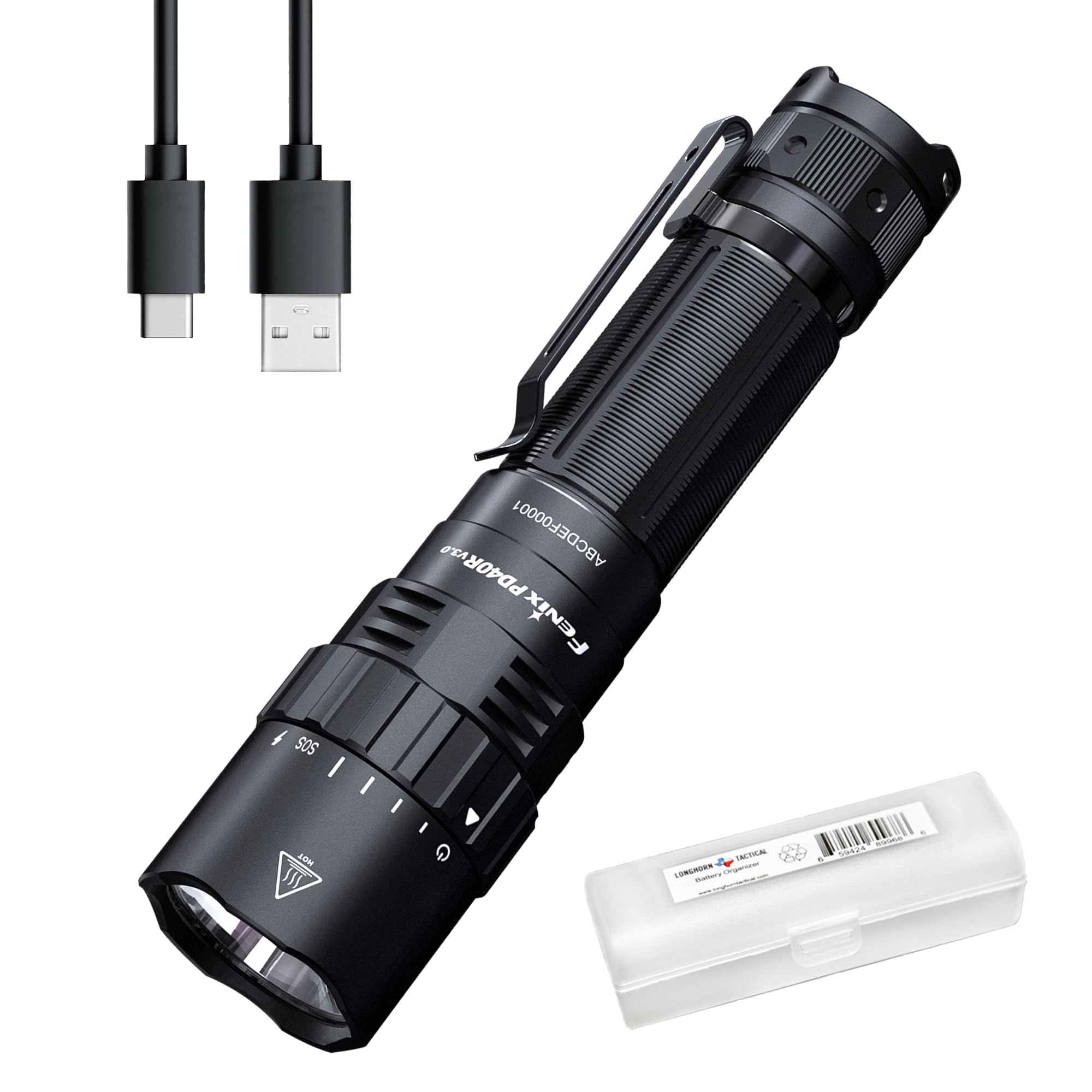
A purpose-chosen EDC flashlight solves the problem cleanly. The nurse aims a low-output beam at the digital display, reads SpO2, heart rate, and inspired oxygen at a glance, and moves on without touching the incubator, waking the infant, or disturbing the parent in the chair beside the warmer. The right light delivers maybe 0.5 lumens, not 50. The wrong light starts at 100 and floods half the room.
What makes the Olight S2R Baton II suit NICU work
Olight's S2R Baton II is one of the few mainstream EDC torches engineered around the low end of the brightness scale instead of treating it as an afterthought. Several design choices line up almost perfectly with neonatal-floor needs.
True moonlight mode
The S2R Baton II opens at 0.5 lumens when you long-press the side switch from off. That is genuinely just a glow, enough to read an incubator's amber-on-black digits from eighteen inches away without producing the obvious cone-of-light that signals to a sleeping baby's eyelids that something has changed. Compared to lights that start at "low" of 5 or 10 lumens, the difference is night-and-day for environments where ambient illumination already sits at twilight levels.
Stepped output with memory
A single short press toggles on at the last-used output (excluding moonlight). For most NICU nurses, that becomes a 12 to 60 lumen working level, suitable for checking IV pump screens, verifying drug labels at the Pyxis cart, or inspecting a peripheral line site without overpowering the room. The memory means you never have to step up through brightness levels and accidentally blast 1150 lumens of turbo while a parent dozes nearby.
The silicone-cushioned side switch
The side switch is rubberized and clicks softly rather than tactically. There is no loud snap when activating. Combine that with single-hand operation and you can keep one hand on the chart tablet, the other on the flashlight, and never disrupt a sleeping infant or a watchful parent.
Magnetic USB charging
The MCC2 magnetic charging cable snaps onto the tailcap. There is no port to seal against hand sanitizer, no fiddling with a tiny rubber flap at 0700 when a fresh battery matters. Stash the cable in your locker and the light is ready for the next shift in roughly two hours. For nurses who'd rather not carry spare CR123s in scrub pockets, this charging system removes friction.
The two-way pocket clip
The reversible deep-carry clip grips a scrub-top breast pocket firmly enough that bending over an isolette will not let it slide. The clip also accepts lanyards if you want a paracord lanyard hooked through a badge reel for extra retention. For more on this exact pocket-carry scenario we dig deeper in our scrub-pocket clip needs breakdown.
Reading incubator readouts without waking the infant
The technique most experienced NICU nurses adopt is straightforward: hold the S2R Baton II at hip level, angle the beam slightly downward toward the display panel, and use the moonlight mode rather than direct line-of-sight illumination. The faint spill is more than enough to read backlit digits without producing a visible beam shaft. If a reading is ambiguous (often when a sensor is borderline), a quick short-press steps up to low and gives a clearer view of the smaller secondary numbers.
Some nurses prefer to wrap a thin strip of medical tape across the bezel to diffuse the hotspot further. Others rely on the natural diffusion the Olight TIR optic already provides; the beam profile is a soft floody pool rather than a tight throw, which is precisely what you want at intra-isolette distances.
Common concerns from neonatal staff
Beam color and infant eye safety
The S2R Baton II runs a cool white emitter (around 6000K). For close-range incubator work at moonlight levels, cool versus neutral white makes a negligible clinical difference because the output is so low. If you remain concerned, an aftermarket red filter cap is widely available and turns the beam into a true low-disturbance red, which infant retinas tolerate even better. The Olight S2R Baton II NICU nurse incubator setup that includes a red diffuser is probably the gentlest configuration available without moving to a dedicated medical penlight.
Hygiene and infection control
The aluminum body wipes down with hospital-grade quaternary ammonium wipes (Sani-Cloth, Super Sani-Cloth, PDI) without damage. Avoid prolonged immersion or aggressive alcohol soaks that can soften the anodizing on the head over time. Wipe between rooms, full clean at end of shift, store on the magnetic charger overnight.
Battery life across twelve hours
The 3200mAh proprietary 18650 in the S2R Baton II easily covers a single twelve-hour shift if you spend the majority of your time in moonlight and low. Estimated runtimes are about 60 hours at 0.5 lumens, 36 hours at 12 lumens, and 6.5 hours at 60 lumens. Real NICU usage typically clocks below 15 percent total drain per shift. If you also want practical tips that extend runtime even further, see our breakdown on how to maximize flashlight battery life.
Does the magnetic tail interfere with equipment?
The tailcap magnet is strong enough to stick the light to a metal IV pole or supply cart but not so strong that it disturbs medical electronics at normal distances. Keep it a few inches away from pacemaker programmers and from any older magnetic-strip ID badges, but otherwise it is a non-issue around standard NICU monitoring gear.
Setting up your S2R Baton II for the NICU floor
A few small adjustments make the light significantly more nurse-friendly out of the box.
Reorient the clip toward the bezel. Carrying head-down means a single motion of pulling it out of the pocket points the beam exactly where you need it, no wrist flip required.
Pre-set memory to low (12 lumens), not medium. If you accidentally click the light on while reaching across an isolette, you would much rather flash 12 lumens than 60.
Add a silicone or paracord lanyard. Loop it through your badge reel or scrub-top buttonhole. If you fumble the light during a feed or position change, it does not hit the floor or the infant.
Keep the magnetic charger at your locker, not the nursing station. One nurse's charger walking off is a daily occurrence. Yours stays put.
For broader maintenance practices that apply to any EDC flashlight you depend on professionally, our flashlight maintenance guide covers cleaning intervals, contact protection, and storage habits worth following.
Who the S2R Baton II is not for
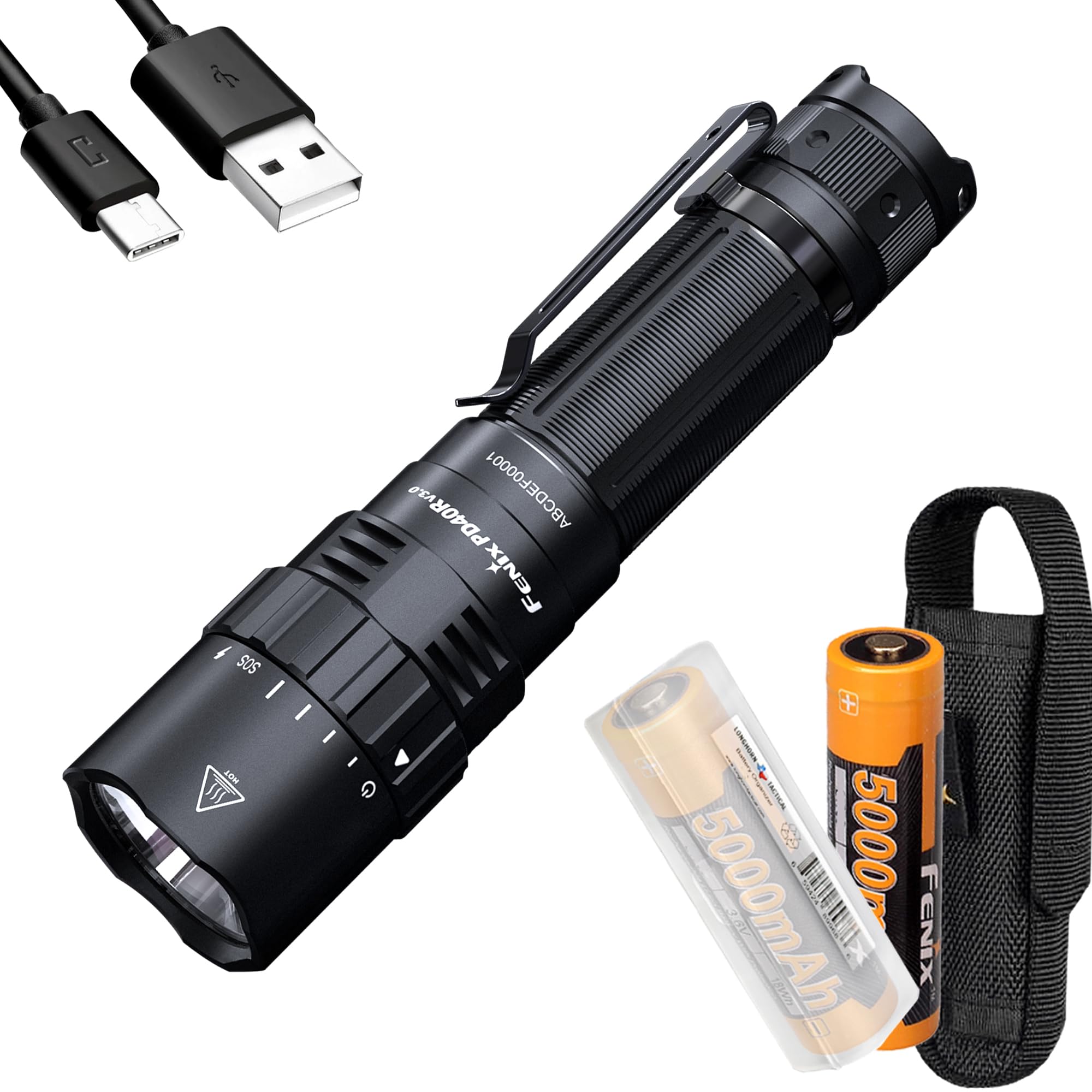
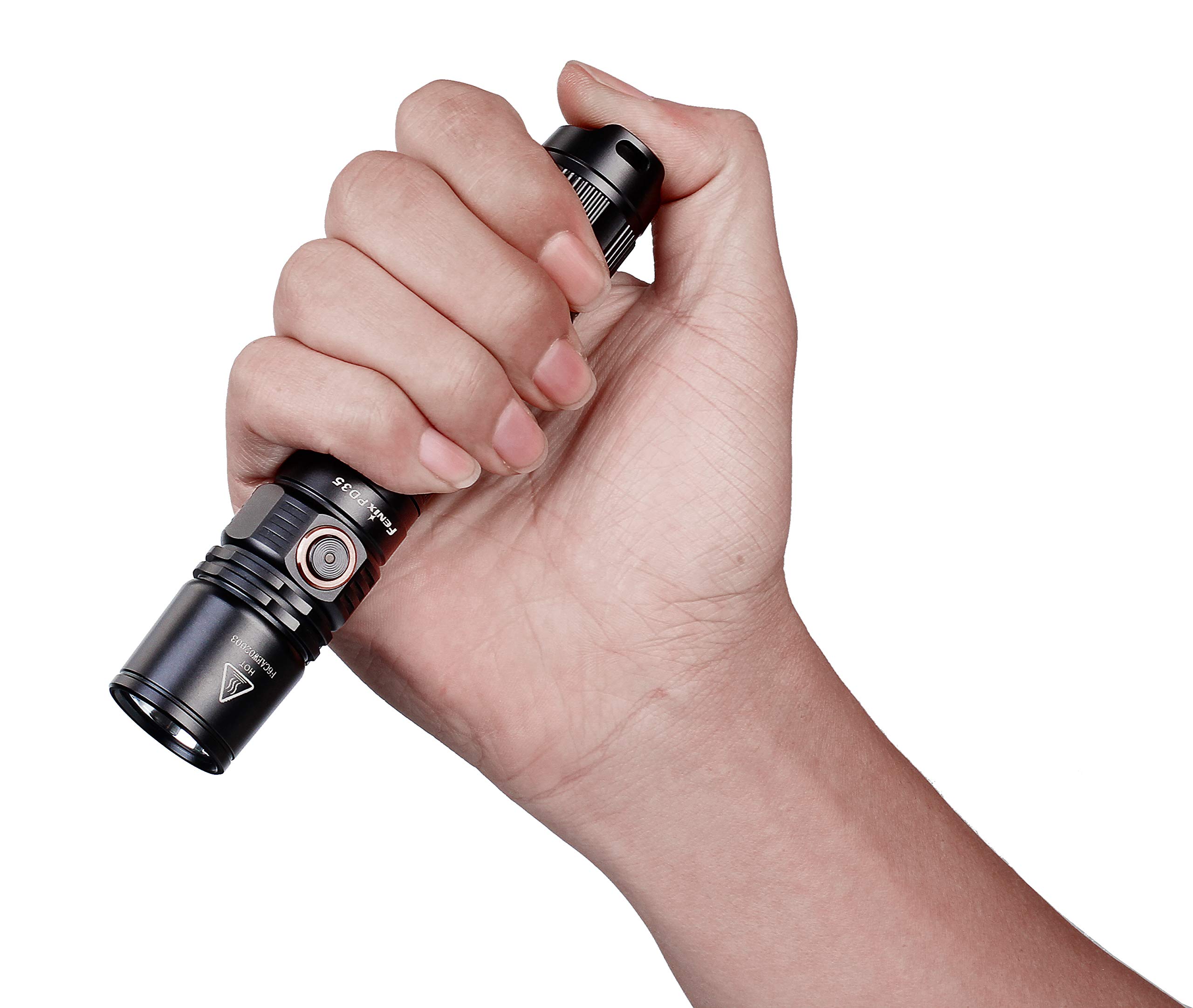
If you also work day shifts in a brightly lit PICU step-down, or pull occasional ER float shifts where 500-plus lumens of usable throw is genuinely helpful, the S2R Baton II's flood-heavy beam pattern starts to feel limited. In that case a higher-throw tactical pick (Fenix PD35 V3, SureFire E2D Defender) might pair better as a secondary light, and our full S2R Baton II review goes deeper on those tradeoffs.
Nurses who hate proprietary batteries should also note that the S2R Baton II uses an Olight-specific 18650 with the charging contacts on the cell. Standard flat-top or button-top 18650s will not charge through the magnetic tail. You can still run generic cells, you just lose the magnetic charging feature.
Frequently Asked Questions
Is the Olight S2R Baton II quiet enough for sleeping neonates?
Yes. The side switch is rubberized and produces a soft tactile click rather than the loud audible snap of tail-clicky lights like the SureFire G2X or Streamlight ProTac series. Combined with moonlight mode at 0.5 lumens, the light produces neither sound nor visible beam shaft at incubator distance, which is what makes the Olight S2R Baton II NICU nurse incubator pairing so well regarded among night-shift neonatal staff.
What output level should I use for reading incubator readouts?
Start with moonlight (0.5 lumens) for backlit digital displays. Step up to low (12 lumens) only if you need to inspect a printed med label, IV tubing junction, or skin tone of an extremity. Anything above low risks disturbing the infant and is also bright enough to wash out the very readout you are trying to read because of pupil constriction in your own eyes.
Can I clip the Olight S2R Baton II to a scrub top without it falling off?
The clip's spring tension is genuinely tight, more so than competing Convoy or Wuben pocket clips. With the bezel-down orientation it stays put through bending over isolettes, leaning into wall-mounted suction units, and rolling charting chairs. Adding a short lanyard through a badge reel is cheap insurance and many NICU nurses do it as standard practice.
How do I disinfect the S2R Baton II between rooms?
Use a hospital-grade quat-based wipe (Sani-Cloth Plus, Super Sani-Cloth, PDI Easy Screen) on the body and clip. Avoid immersing the tailcap charging contacts and avoid extended alcohol exposure that can degrade the anodizing finish over months. Wipe down between patient rooms, do a thorough clean at end of shift, and store on the magnetic charger overnight.
Will one charge last a full twelve-hour NICU shift?
Easily. Realistic NICU usage at moonlight and low output drains roughly 10 to 15 percent of the 3200mAh battery across a single twelve-hour shift. Most nurses report charging every three to four shifts, not every shift. If you also work back-to-back doubles, top off on your meal break by setting the light on the magnetic puck for thirty minutes.
Does the magnet in the tailcap interfere with medical equipment?
Not at normal use distances. The N52 magnet is strong but field strength falls off quickly with distance. Keep it a few inches from pacemaker programmers, implanted device interrogators, and the small handful of older magnetic-stripe ID badges still in circulation, but standard incubator electronics, IV pumps, vital signs monitors, and ventilators are unaffected.
Is there a red-filter option for the S2R Baton II?
Olight does not sell an OEM red filter for the S2R Baton II specifically, but aftermarket silicone filter caps in 23mm bezel size fit snugly and produce a true low-disturbance red beam. Many NICU nurses keep one in their locker for night shifts and a standard white setup for day work. The combination of moonlight mode plus a red filter is about as gentle as a pocket-sized illumination tool gets.
Key Takeaways
- Choosing the right Olight S2R Baton II NICU nurse incubator means matching capacity and output ports to your actual devices
- Always check actual watt-hours (Wh), not just watts — runtime depends on Wh, not peak output
- Also covers: S2R Baton II low lumen infant ward
- Also covers: NICU dim mode EDC flashlight
- Also covers: Olight moonlight mode neonatal nurse
- Compare price-per-Wh across models to find the best value for your budget