The Streamlight ProTac HL for airline pilots is a strong fit for cockpit preflight checks because it delivers up to 1,000 lumens of focused white light, runs on widely available CR123A or 18650 batteries, survives drops onto a ramp apron, and clips securely inside a flight bag or shirt pocket. For commercial and corporate pilots running through checklists in dim cockpits, inspecting overhead panels, scanning engine inlets at night, and verifying tire condition or hydraulic leaks during the exterior walkaround, the ProTac HL offers a reliable, FAA-friendly handheld torch without the bulk of a duty-grade flashlight. In this guide we walk through why the Streamlight ProTac HL for airline pilots has become a quiet favorite on flight decks, what to look for, and how to pair it with the rest of your everyday carry kit.
Why pilots need a serious flashlight, not a phone light
Phone flashlights are fine for finding a dropped pen, but they fail the moment a pilot needs to read a placard inside a dark wheel well, trace a hairline crack on a leading edge, or check fuel color in a sump cup at 4 a.m. on a remote ramp. Aviation operations regulations and most airline SOPs require each crewmember to carry a functioning flashlight that is accessible from the assigned crew station. The intent is clear: during smoke, electrical failure, or a forced shutdown of cabin power, the flashlight has to work the first time, light up an entire cockpit, and survive being grabbed, dropped, or jammed back into a flight case.
That is exactly the use case the Streamlight ProTac HL was designed for. Originally built for law enforcement and tactical users, it has been quietly adopted by line pilots, charter captains, and corporate flight departments because its output, runtime, and durability map cleanly onto cockpit and ramp realities.
What makes the Streamlight ProTac HL right for cockpit preflight checks
Preflight checks are a mix of close-up reading (fluid levels, fuel sumps, instrument labels) and longer-throw inspection (tail cone, engine fan blades, wing skin). A good pilot flashlight must do both. The ProTac HL hits the sweet spot.
- 1,000-lumen max output with a focused beam that reaches well past 250 meters — enough to scan a hangared aircraft from nose to tail.
- Ten-Tap programmable interface with three selectable user modes: high-only, high/strobe/low, or low/medium/high. Pilots typically program it to low-first so they don’t blast a crewmate or destroy their dark adaptation.
- Dual fuel: runs on two CR123A primaries (long shelf life, perfect for flight bags) or a single 18650 rechargeable cell.
- IPX7 waterproofing and 2-meter impact resistance — it shrugs off rain on the ramp and the inevitable drop from the cockpit sill.
- Aluminum body with anti-roll head, deep-carry pocket clip, and a tail switch you can operate with gloves on during a winter walkaround.
Most pilots program the Streamlight ProTac HL for airline pilots to start on low, which preserves night vision in a dim cockpit, then double-tap to high for a wing-tip walk or to inspect the gear bay before pushback.
How it fits into a typical pilot preflight flow
Imagine a 4:30 a.m. show time for a transcontinental leg. Here is where the flashlight earns its keep:
- Cockpit setup: low-mode click to read circuit breaker panels, overhead switches, and the QRH while cabin power is still off.
- Exterior walkaround: high-mode for engine inlet inspection (looking for nicks, FOD, bird remains), tire wear, brake puck thickness, and static wicks.
- Fuel check: shine through a sump cup to verify color and look for water beads or particulates.
- Cargo and gear bay: throw enough lumens into the bay to confirm latch position, hydraulic lines, and tire pressure indicators.
- In-flight emergencies: ready at the crew station for smoke-in-cockpit procedures or an unexpected loss of panel lighting.
Streamlight ProTac HL vs other pilot-friendly flashlights
Pilots tend to compare the ProTac HL to a small set of tactical lights that share the same form factor and battery flexibility. Here is a quick cockpit-focused comparison.
| Feature | Streamlight ProTac HL | Surefire E2D Defender | Nitecore MH12 |
|---|---|---|---|
| Max lumens | 1,000 | 1,000 | 1,200 |
| Battery | 2x CR123A or 1x 18650 | 2x CR123A | 1x 18650 (USB rechargeable) |
| Programmable modes | Yes (Ten-Tap) | Two-stage tail switch | Side switch, multi-mode |
| Low mode lumens | ~35 | ~5 | ~1 |
| Length | ~5.4 in | ~5.4 in | ~5.5 in |
| Approx. weight | ~5.6 oz | ~4.4 oz | ~5.3 oz |
| Best for pilots | Balanced cockpit + ramp use | Premium build, simple UI | Rechargeable convenience |
For deeper head-to-heads, see our Nitecore MH12 vs Streamlight ProTac HL comparison and the SureFire E2D Defender vs ThruNite TN12 breakdown.
Programming tips pilots actually use
Out of the box the ProTac HL ships in high/strobe/low mode, which is great for tactical users but wrong for the flight deck. Reprogram it the first night you get it:
- Recommended setting: Mode 3 (low / medium / high). One click gives you a calm 35-lumen low for cockpit reading; a second click steps up for the walkaround; a third click reaches the engine cowl from the apron.
- Avoid strobe in the cockpit. An accidental strobe in a dim flight deck can wreck night adaptation for both crewmembers for several minutes.
- Carry a spare CR123A pair taped together in your flight kit. They store for a decade and are an FAA-compliant carry as long as terminals are protected.
Flight bag carry: clip, holster, or pouch?
Most pilots clip the ProTac HL bezel-down inside the front pocket of a flight bag so the tail switch is immediately accessible. A few prefer a dedicated nylon holster on the shoulder strap of a roller bag for fast access during a ramp walk in poor weather. If you commute with the light on your person, the deep-carry pocket clip rides low enough to disappear under a uniform shirt. For a complete packing approach, see our guide to packing an EDC kit like a pro.
Battery strategy for line pilots
Rotating batteries is part of the job. CR123A primaries are perfect for the flight bag because they hold charge for years and are unaffected by hot cockpits parked at the gate in Phoenix in July. An 18650 rechargeable cell is friendlier for daily home use and ground school. Many pilots run an 18650 in the light and keep two CR123As taped to the inside of the flight bag as a guaranteed backup. For more on stretching cell life across heat cycles, read our piece on maximizing flashlight battery life.
Durability that survives the line
The ProTac HL is built on a 6000-series aluminum body with a Type II anodized finish. Pilots routinely drop flashlights onto concrete ramp aprons and metal hangar floors; the ProTac HL’s 2-meter impact rating and IPX7 waterproofing mean it shrugs off both. The recessed tail switch prevents accidental activation inside a stuffed flight bag — a small but meaningful detail when you’re trying to keep batteries fresh between trips. For a broader look at how to make any handheld light last across years of duty, see our EDC flashlight maintenance guide.
Complementary multitool for the flight kit
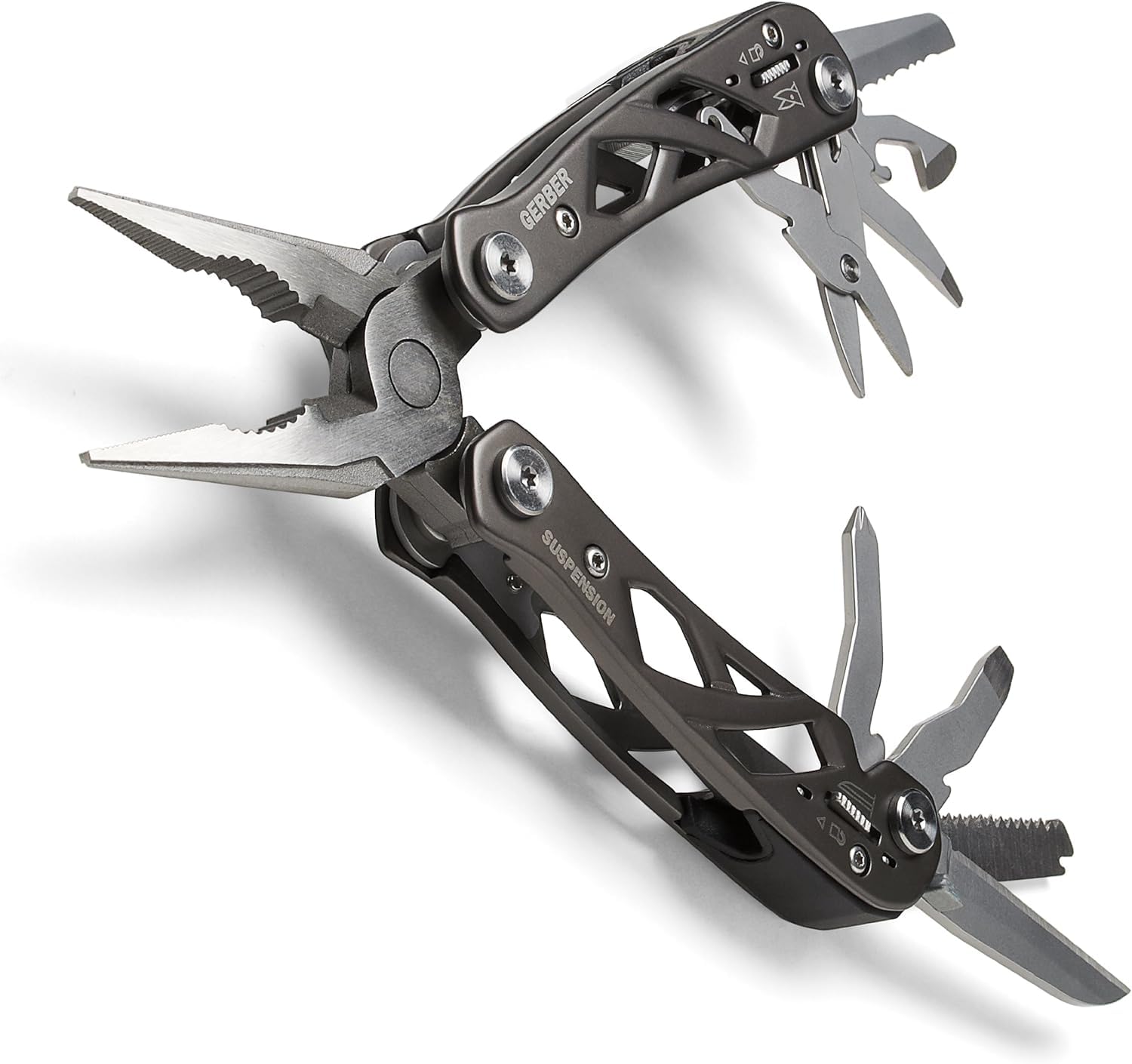
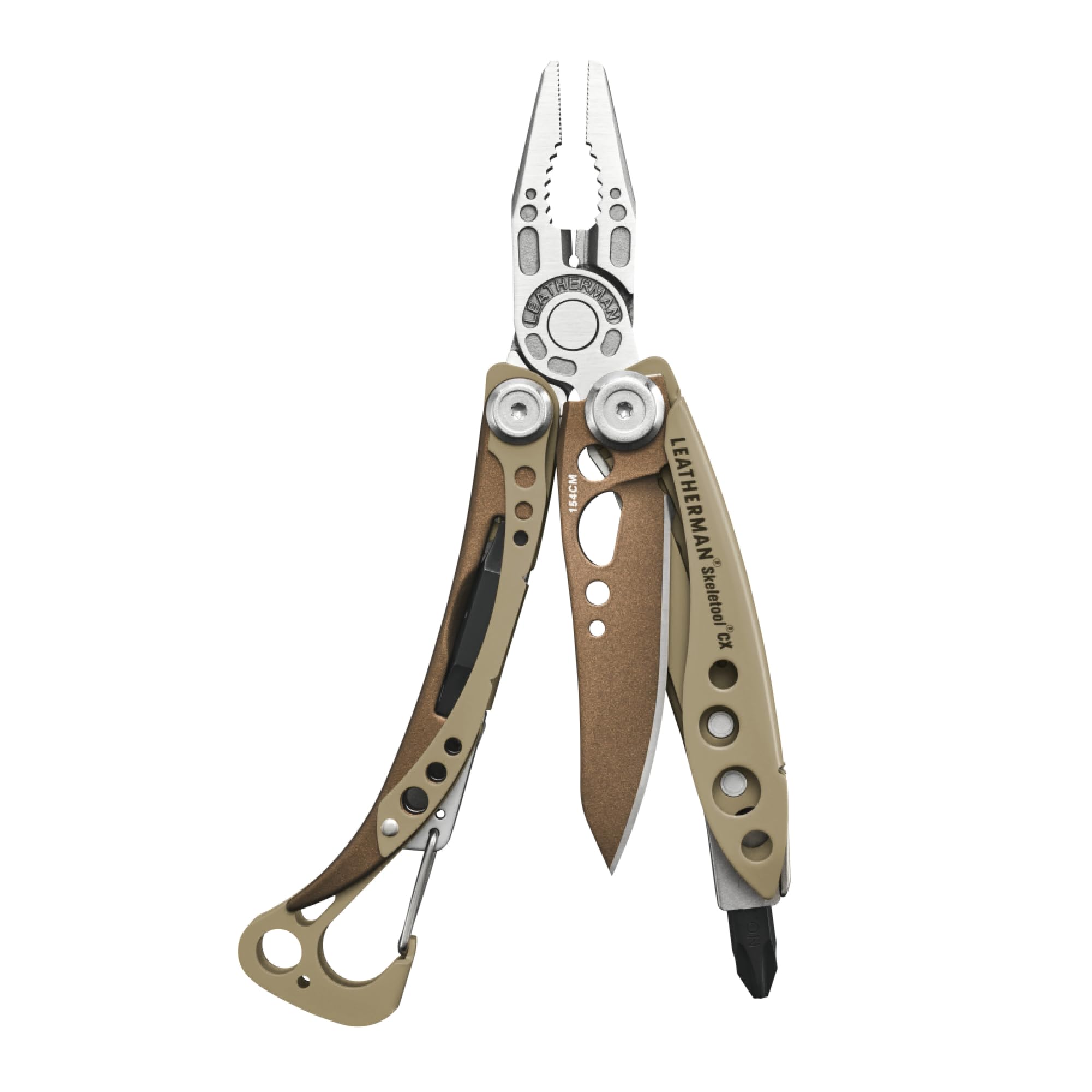
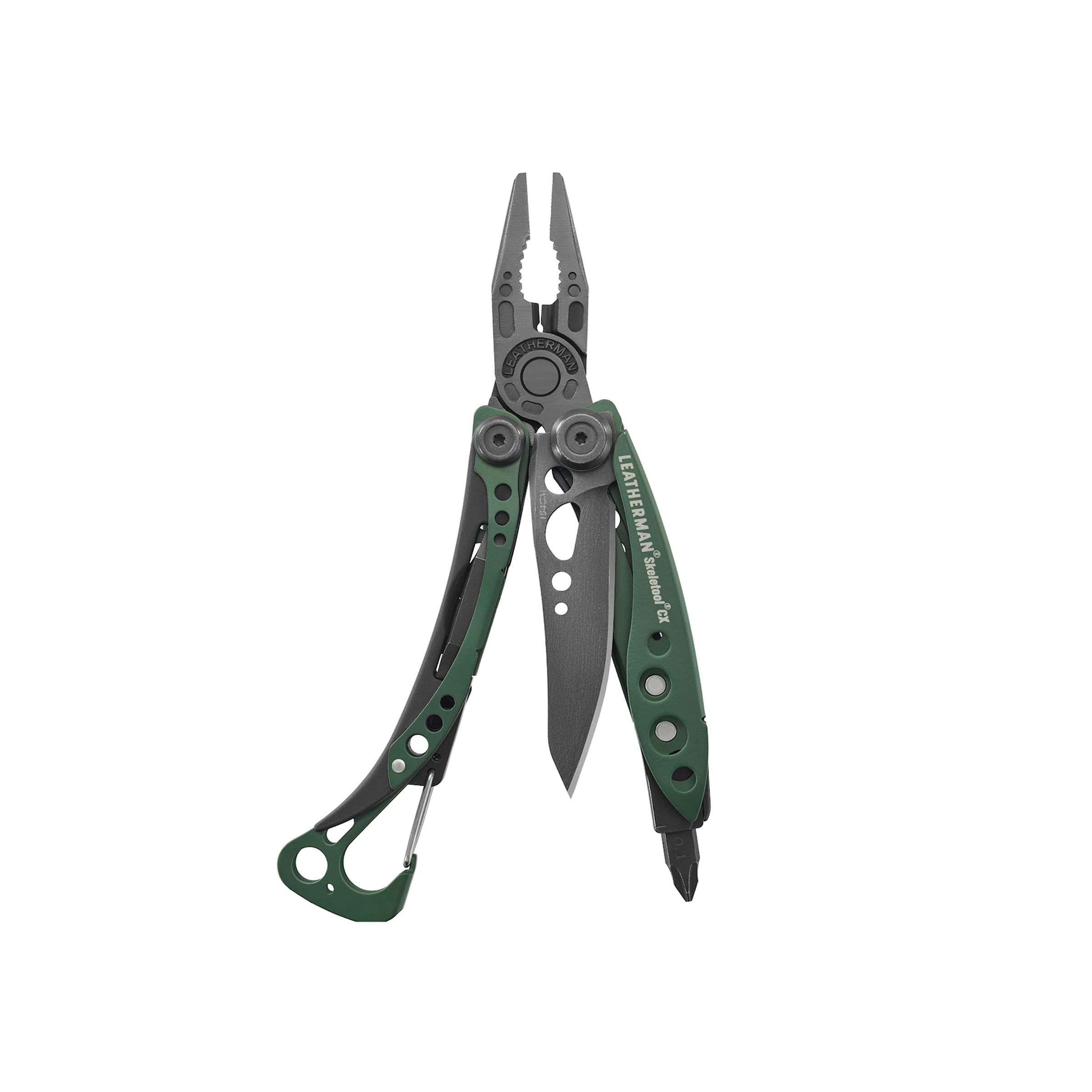
A flashlight handles inspection, but pilots also benefit from a small multitool for opening cowl fasteners, trimming a frayed seatbelt strap, or tightening a loose yoke screw on a GA aircraft. TSA rules limit blade length in carry-on flight bags, so look for a slim plier-focused multitool without a locking blade if you commute through screening. Our roundup of the best lightweight multitools for EDC in 2026 highlights several airport-friendly options.
Is the ProTac HL approved for cockpit use?
The Streamlight ProTac HL is not a TSO’d aviation device, but neither is any handheld pilot flashlight. What matters is meeting your operator’s flashlight requirement: a reliable, crew-accessible light at the crewmember station. The ProTac HL’s output, build quality, and battery options easily satisfy the language used in most Part 91, 135, and 121 operations manuals. Always check your company’s specific FOM for any prohibited features (some operators discourage strobe-equipped lights on the flight deck — a reason to use Mode 3 programming).
Who should buy the Streamlight ProTac HL for airline pilots
Buy it if you fly a turbine or piston aircraft and want one durable, programmable flashlight that works inside the cockpit and out on the ramp, runs on batteries you can find at any FBO, and clips invisibly into your uniform pocket. Skip it if you want a small AAA-powered pen light for chart reading only — that’s a different tool. For pilots flying mostly daytime VFR who still want a serious EDC light, our guide to choosing the best EDC flashlight walks through smaller alternatives.
Bottom line
The Streamlight ProTac HL for airline pilots is one of the most cost-effective upgrades you can make to your flight kit in 2026. Program it for low-medium-high, feed it CR123As, clip it into your flight bag, and forget about it until the moment you need a thousand lumens on a dark wing skin at 5 a.m. It is the kind of tool that quietly does its job for years.
Frequently Asked Questions
Can airline pilots carry the Streamlight ProTac HL through TSA in a flight bag?
Yes. Handheld flashlights under about 7 inches with no sharp edges are allowed in carry-on luggage and crew flight bags. The ProTac HL is roughly 5.4 inches long with a smooth bezel and clears TSA screening without issue. Spare CR123A or 18650 cells must be carried in the cabin (not checked) with terminals protected.
What flashlight modes should a pilot use during cockpit preflight checks?
Program the ProTac HL to Mode 3 (low / medium / high). Use the 35-lumen low mode for reading the overhead panel, MEL, and QRH so you preserve night adaptation, then step up to medium or high for the exterior walkaround. Avoid strobe modes anywhere near the flight deck.
How long does the Streamlight ProTac HL run on a single set of batteries?
On two CR123A cells, expect about 1.5 hours on high (1,000 lumens) and roughly 18 hours on low. With an 18650 rechargeable cell, runtime on low extends further. Most pilots get several weeks of normal preflight use before swapping cells.
Is the ProTac HL bright enough for engine and gear bay inspection?
Yes. The 1,000-lumen high mode with a focused beam easily lights up an engine inlet, fan blades, brake pucks, and gear bay components from a standoff distance, which is exactly what you want for a dark ramp inspection.
Will the Streamlight ProTac HL survive being dropped onto a ramp?
The light is rated to survive 2-meter drops onto a hard surface and is IPX7 waterproof. Pilots have reported years of service after multiple drops onto concrete aprons and hangar floors.
What is a good multitool to carry alongside the ProTac HL in a flight bag?
Pick a slim, TSA-friendly multitool without a locking blade for in-cabin carry, or stow a full-size plier multitool in checked baggage for layover maintenance tasks. See our roundup of the best budget multitools for 2026 for options that pair well with the ProTac HL.
Should pilots choose CR123A or 18650 batteries for daily flying?
For flight bag carry, CR123A primaries win on shelf life and temperature tolerance — they sit unused for months and still deliver full power. For pilots flying daily and recharging at home, an 18650 cell is cheaper over time. Many pilots run an 18650 in the light and stash two CR123As in the flight bag as backup.
Key Takeaways
- Choosing the right Streamlight ProTac HL for airline pilots means matching capacity and output ports to your actual devices
- Always check actual watt-hours (Wh), not just watts — runtime depends on Wh, not peak output
- Also covers: best pilot flashlight cockpit preflight
- Also covers: ProTac HL aviation EDC light
- Also covers: pilot flightbag flashlight CR123
- Compare price-per-Wh across models to find the best value for your budget